Week 1117–23 August 2026
Gold Coins Overdate
- MondayNot in the Books
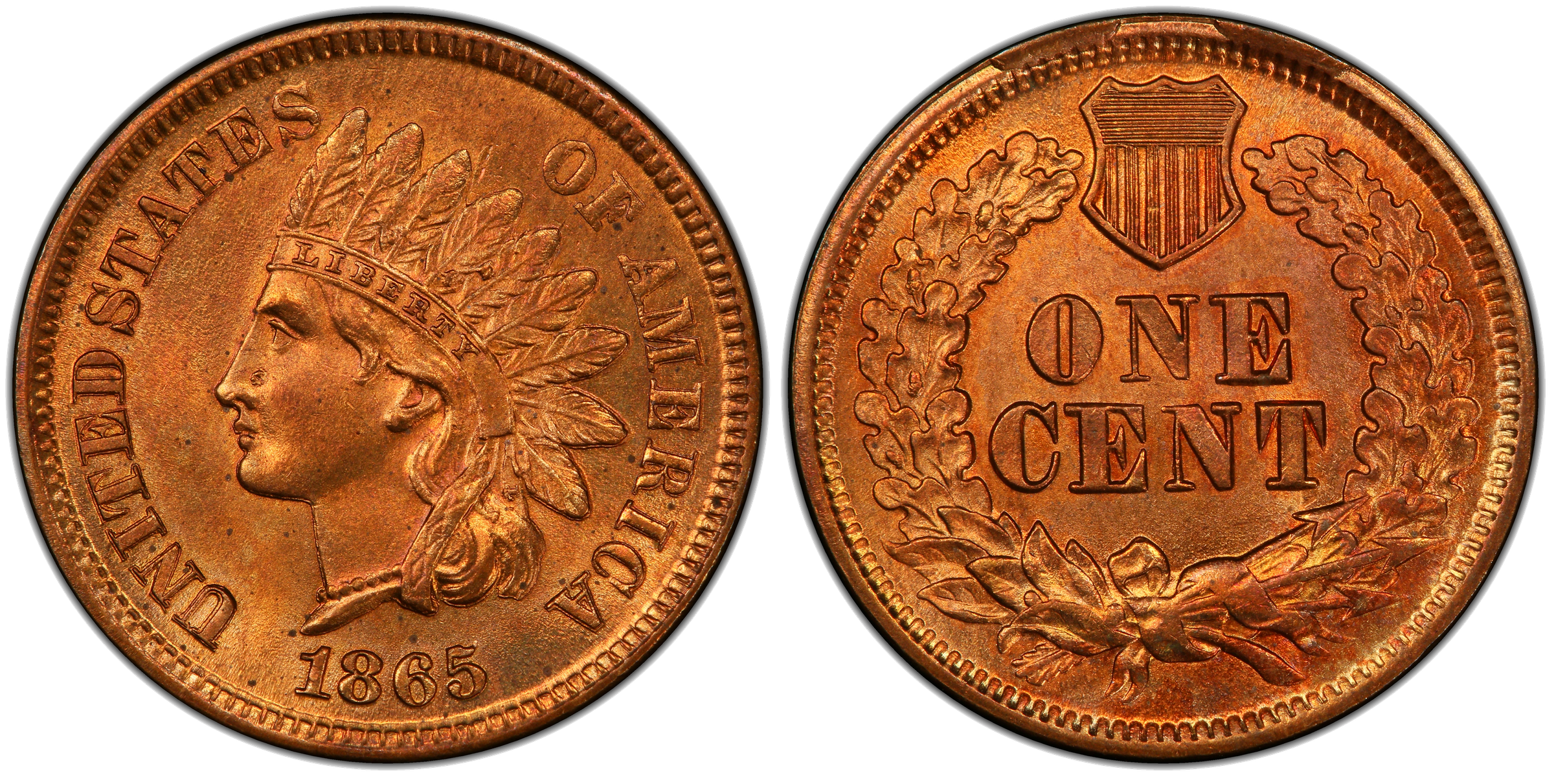
1865 Indian Head Cent Fancy 5 Dual Rim Cuds
Two rim cuds on a single coin — one left of twelve o'clock, one right. Each cud is a raised, featureless blob where the die edge broke away. When a section of the die fractures and separates, it can no longer impart design detail. The planchet metal flows into the void left by the missing piece, creating a smooth, raised mass on every coin struck from the damaged die.
See the listing → - WednesdayError Education
Error Education: Overdates — When Yesterday's Date Won't Let Go
An overdate is a coin where a new date has been punched over an existing date on a working die. The old date's remnants — curved lines, bases, serifs of the previous digit — are visible underneath or beside the new date. The result is a coin that shows two dates at once: the one the Mint intended, and the ghost of the one that came before.
Read the article → - ThursdayNot in the Books
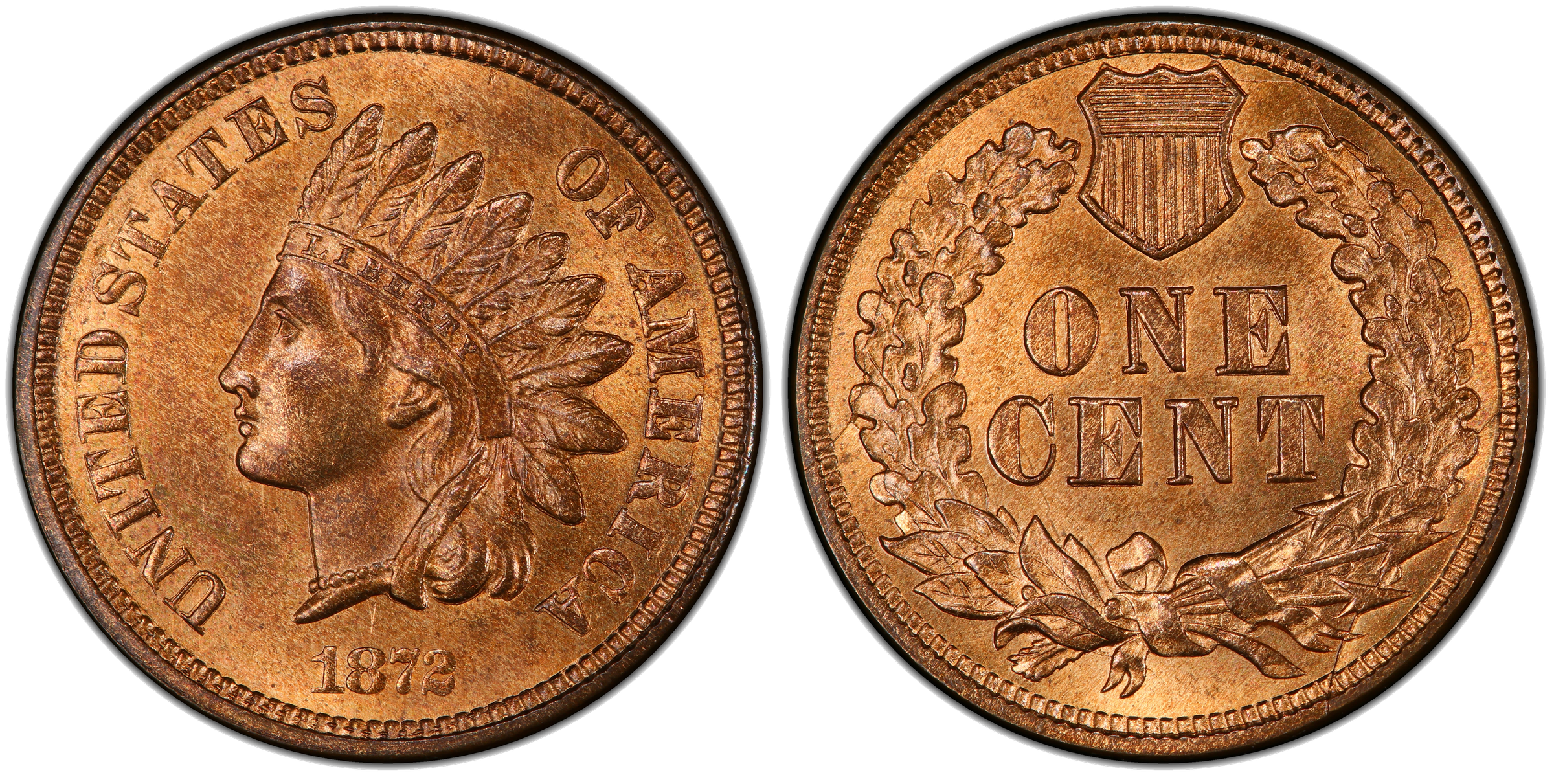
1872 Indian Head Cent Retained Cud
This coin shows a retained cud on the reverse from 3 to 5 o'clock, across the ribbon and arrow area. A retained cud is the intermediate stage between a die crack and a full cud: the piece of the die has cracked and begun to separate, but it hasn't broken away yet. It's still clinging — cracked, shifted, but attached.
See the listing → - FridaySeries
Coin Education: Gold Coins — Six Denominations, One Executive Order, and the Most Beautiful Coin Ever Made
The United States struck gold coins for 138 years — from 1795 to 1933. Six denominations, from the tiny $1 gold dollar to the massive $20 double eagle. And then one morning in 1933, a president signed an executive order, and private gold ownership became illegal.
Read the article → - SaturdayNot in the Books
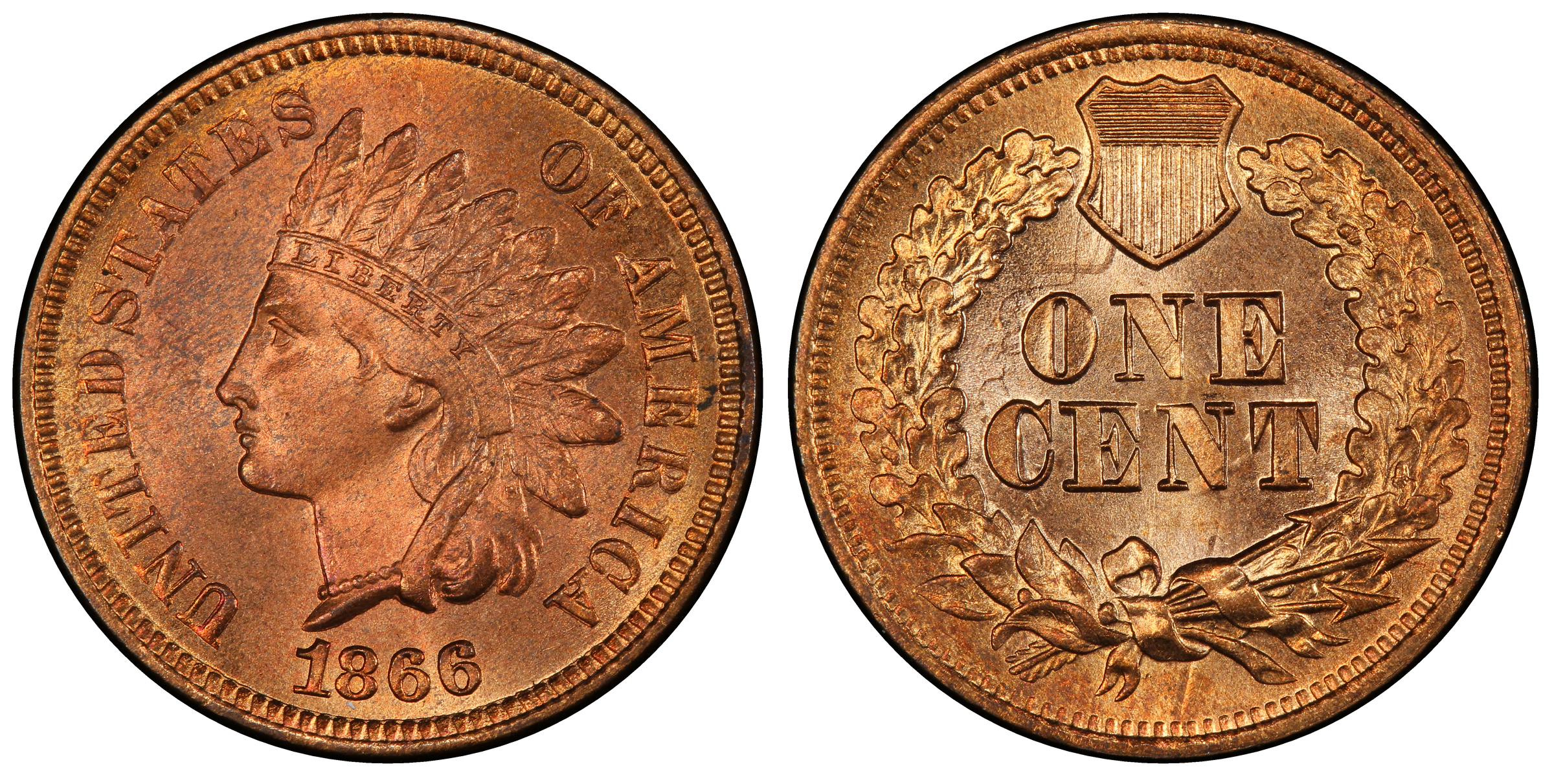
1866 Indian Head Cent Die Clash, Multiple Clashes
Multiple die clashes on the reverse of a post-Civil War Indian Head cent. The obverse and reverse dies struck each other without a planchet between them — not once, but repeatedly. The Indian's face has been transferred onto the reverse die multiple times, leaving overlapping ghost impressions of a portrait that doesn't belong there.
See the listing → - SundayNot in the Books
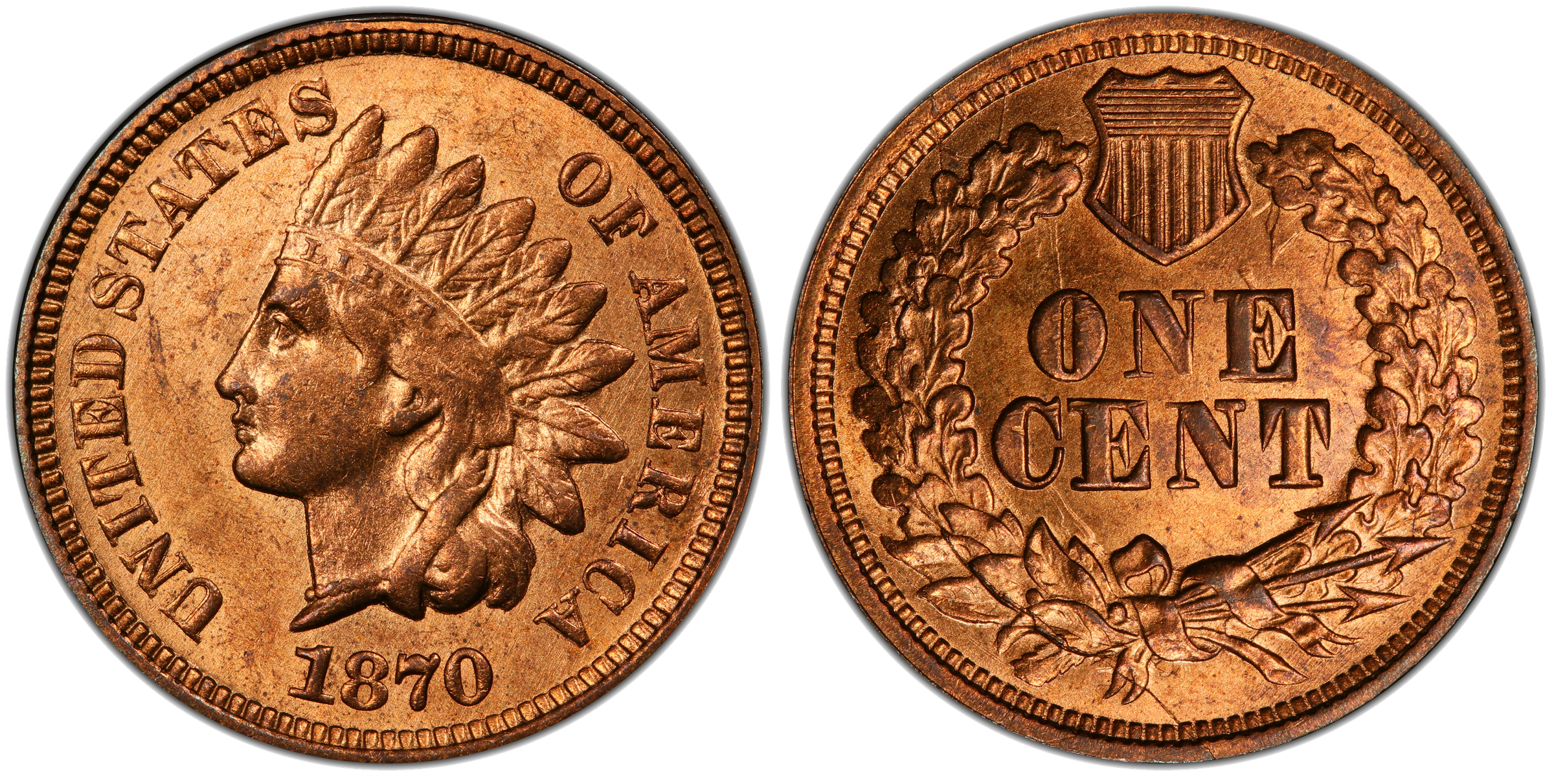
1870 Indian Head Cent Die Clash
1870 Indian Head Cent — Die Clash, Reverse, Multiple Transfers
See the listing →