
The Buffalo Nickel’s Recurring Factory Defect — From Two Feathers to Three Legs
DPLFrom Two Feathers to Three Legs
The Buffalo nickel's high-relief design made it one of the most beautiful coins in American history — and one of the most vulnerable to die polishing. This single routine maintenance procedure connects two of the series' most interesting varieties: the Two Feather obverse and the legendary 1937-D Three-Legged Buffalo. What links them is not coincidence but consequence — the same process, applied at different intensities, produced results ranging from subtle to spectacular.
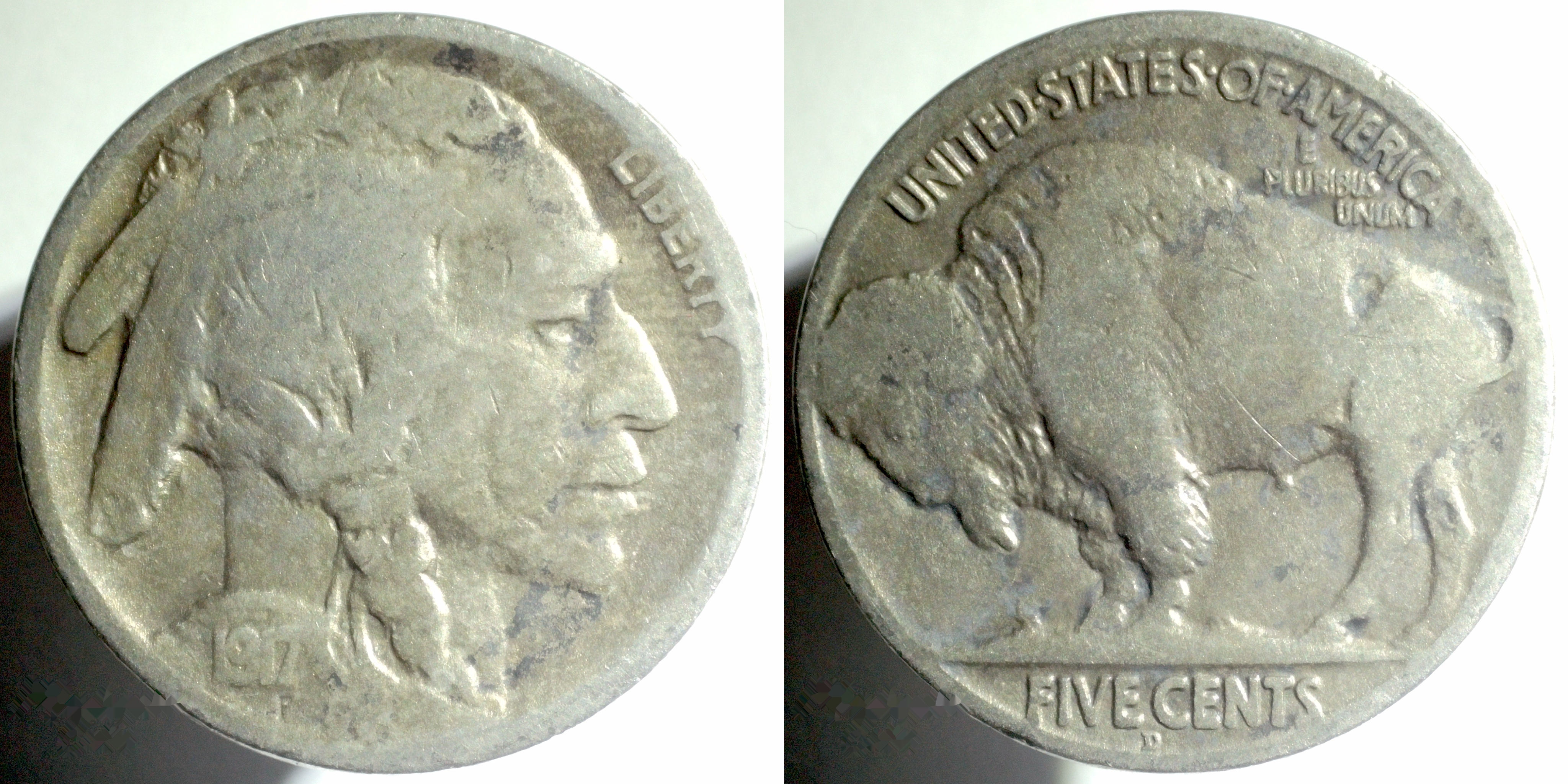
What Is Die Polishing?
Die polishing is routine Mint maintenance. Over the course of striking thousands of coins, dies accumulate wear, clash marks, and surface imperfections. To extend a die's service life, Mint workers would abrade or buff the die face — essentially sanding and polishing the steel surface to remove damage and restore a usable striking surface.
Evidence of die polishing appears on the resulting coins as raised parallel lines, areas of reduced detail, or softened design elements where the polishing removed shallow portions of the die's incuse (recessed) design. The deeper a design element sits in the die, the more polishing it can survive. Shallow elements disappear first.
James Earle Fraser's Buffalo nickel design, with its high relief and intricate detail — the fine feathers of the headdress, the textured hair of the bison, and the delicate horn — was especially susceptible. These were among the first details to disappear under repeated polishing. To learn more about how die polishing creates varieties, visit our Die Polishing learn page.
The Two Feather Variety (FS-401)
The Native American portrait on the Buffalo nickel's obverse originally showed three feathers in the headdress braid. When dies were polished during their production run, the third (bottom) feather — being the shallowest relief element in that area — was sometimes completely polished away from the die, leaving only two feathers visible on the resulting coins.
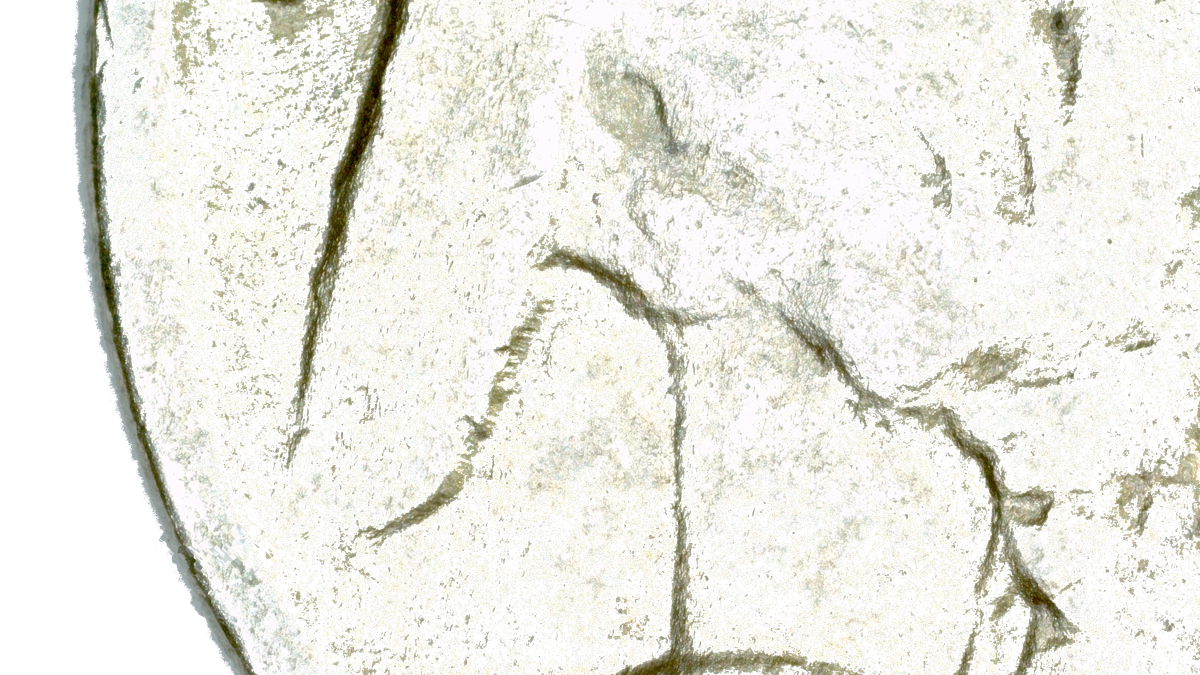
The headdress area of a 1917-D Two Feather variety. The third feather has been completely polished away from the die, leaving only two feathers visible.
The variety is cataloged as FS-401 (Fivaz-Stanton) and has been documented on at least 27 different strike types from 1913 through 1930:
1913-D Type I
1913-S Type I
1915
1915-D
1916
1917
1917-D
1917-S
1918
1918-S
1919
1919-D
1919-S
1920
1920-D
1920-S
1921
1921-S
1923
1925-D
1925-S
1926-D
1927-D
1927-S
1928-S
1929-S
1930-S
This is not a one-time accident — it happened repeatedly across nearly two decades of production, which tells us something important about how aggressively the Mint maintained its Buffalo nickel dies. The high-relief design wore dies out quickly, and frequent polishing was the only way to keep them in service.
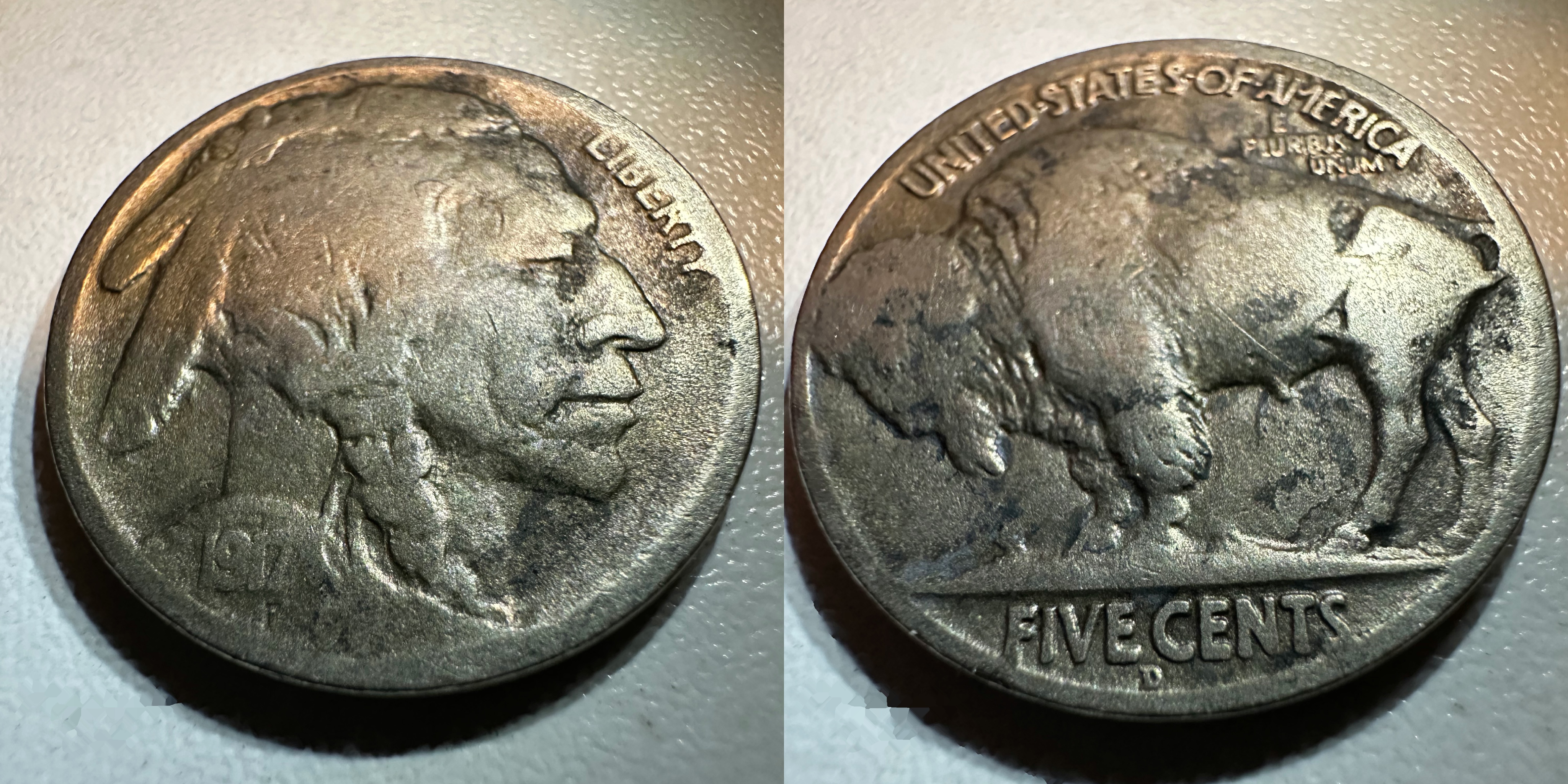
The 1937-D Three-Legged Buffalo
The most famous result of die polishing on a Buffalo nickel — and arguably the most famous die variety in all of American numismatics.
In 1937 at the Denver Mint, a die pair clashed (struck together without a planchet between them), transferring design elements from one die onto the other. To remove the resulting clash marks, a Mint worker polished the reverse die. But the polishing was far too aggressive — so aggressive that the bison's front right leg was nearly completely polished away from the die. The incuse cavity that formed the leg in the die was shallow enough that heavy polishing obliterated it.
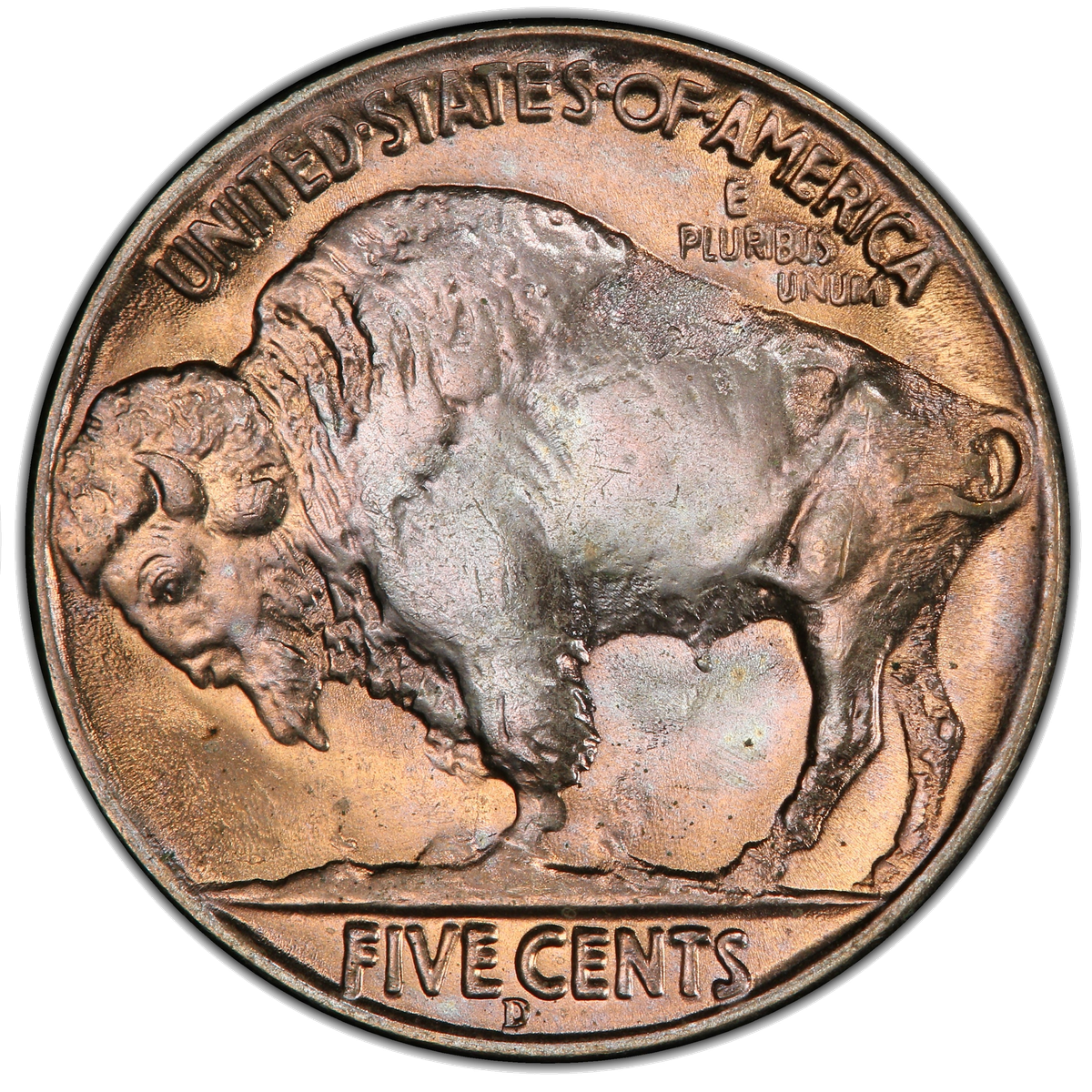
The die continued to be used after the over-polishing, producing an unknown but substantial number of coins before it was finally retired. What makes this variety fascinating is the direct connection to the Two Feather: the same process that routinely removed a feather from the headdress — die polishing — was taken to an extreme and removed an entire leg from the bison.
Between PCGS and NGC, approximately 10,000 examples have been certified. Values reflect the variety's iconic status:
Grade | Approximate Value |
|---|---|
VG-8 | ~$800 |
VF-20 | ~$1,500 |
MS-63 | ~$30,000 |
MS-66+ | $99,875 (auction record, October 2021) |
How to Spot a Genuine Three-Legged Buffalo
The 1937-D Three-Legged Buffalo is one of the most counterfeited U.S. coins. Because the variety commands substantial premiums even in low grades, counterfeiters frequently alter genuine 1937-D nickels by removing the front leg through tooling, acid, or other methods. Knowing the diagnostics is essential.
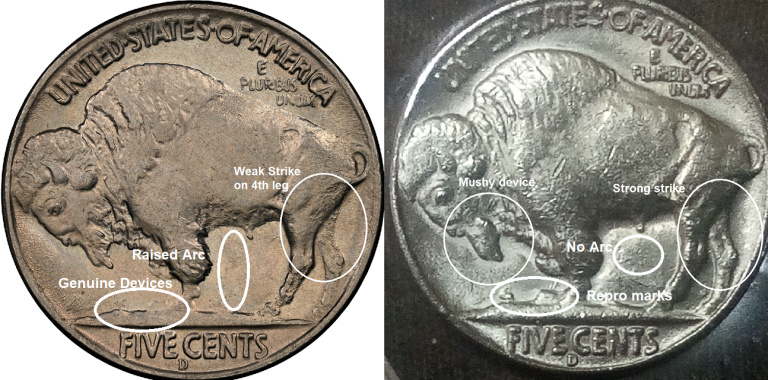
Key diagnostics for a genuine Three-Legged Buffalo:
Raised arc or "bone": Where the front right leg used to be, the polishing left a faint raised arc or outline — a subtle remnant of the leg's former position. This is extremely difficult to replicate on a counterfeit.
Weak fourth leg: The remaining rear right leg also shows polishing effects and appears weaker than on a normal 1937-D. Since the polishing affected the entire die, not just the missing leg area, all nearby details should show some softening.
Consistent die polish evidence: Genuine examples show raised polishing lines and softened details across the entire reverse, consistent with heavy die polishing. The missing leg is not an isolated feature — it is part of a pattern of overall die deterioration.
Signs of a fake: On counterfeits, look for mushy or undefined devices that lack the crispness of a genuine strike, no raised arc where the leg was removed, a suspiciously strong strike inconsistent with a heavily polished die, and telltale reproduction marks such as cast seam lines or wrong surface texture.
For any Three-Legged Buffalo, always buy certified (PCGS or NGC). The cost of certification is trivial compared to the risk of purchasing a counterfeit at Three-Legged prices.
The 1936-D Three-and-a-Half Legs
A less extreme version of the same phenomenon exists on 1936-D Buffalo nickels. On some 1936-D dies, polishing partially removed the bison's front right leg but did not obliterate it completely — creating what collectors call the "3½ Legs" variety. The leg is visibly weakened and partially missing, but enough remains to distinguish it from the 1937-D's near-complete absence.
This variety provides a perfect middle ground that illustrates the full spectrum of die polishing on Buffalo nickels: full 3 feathers → 2 feathers (minor polish) → 3½ legs (moderate polish) → 3 legs (extreme polish). Each step represents the same mechanical process applied with increasing intensity. See the 1936-D 3½ Legs listing in our catalog.
Collecting Tips
Two Feather varieties are affordable and accessible. Most date/mint mark combinations trade for modest premiums over their regular counterparts, making them an excellent entry point for variety collecting. With 27+ documented dates, building a Two Feather set is a realistic long-term project.
The Three-Legged commands significant premiums. Always buy certified (PCGS or NGC) for high-value examples. The counterfeiting risk is too high to rely on raw coins at Three-Legged prices.
Die state matters. Earlier die states show sharper detail and more subtle polishing evidence. Later die states show progressively more polishing, weaker details, and more pronounced variety characteristics. Understanding where a coin falls in the die state progression helps with both authentication and grading.
Browse Two Feather and Three-Legged Buffalo listings in the NumisDex catalog. For more on how die polishing creates varieties, visit our Die Polishing learn page.
The Die Polishing Spectrum
The die polishing spectrum on Buffalo nickels — from a missing feather to a missing leg — demonstrates how a single Mint maintenance practice could produce varieties ranging from subtle to spectacular. A feather vanishes from the headdress, and it is a collectible curiosity. A leg vanishes from the bison, and it becomes one of the most famous error coins in American numismatics.
Die polishing evidence appears on coins of every denomination and era, but no series shows its effects as dramatically as the Buffalo nickel. Fraser's beautiful high-relief design, which made the coin an artistic triumph, also made it uniquely vulnerable to the very maintenance required to keep it in production. The Two Feather and Three-Legged varieties are permanent reminders of that tension between art and industry.
0 Replies
Related Threads
- The Four Designs of the U.S. Five-Cent Piece — A Collector’s Guide0 replies · 2mo ago
- Top 10 Jefferson Nickel Varieties Worth Cherry-Picking0 replies · 3mo ago
- Buffalo Nickel Date Restoration: The Nic-A-Date Debate0 replies · 3mo ago
- Full Steps Jefferson Nickels: How to Judge 5FS vs. 6FS0 replies · 3mo ago
- 2005 Speared Bison Jefferson Nickel: Die Gouge or Post-Mint Scratch?0 replies · 3mo ago