
What Tools Do You Actually Need for Coin Collecting? (and at What Magnification)
Essential and Nice-to-Have Tools for Coin Collectors
You don't need to spend a fortune on equipment to examine and collect coins effectively. Here's what actually matters, in order of importance.
1. A Quality Loupe (Essential)
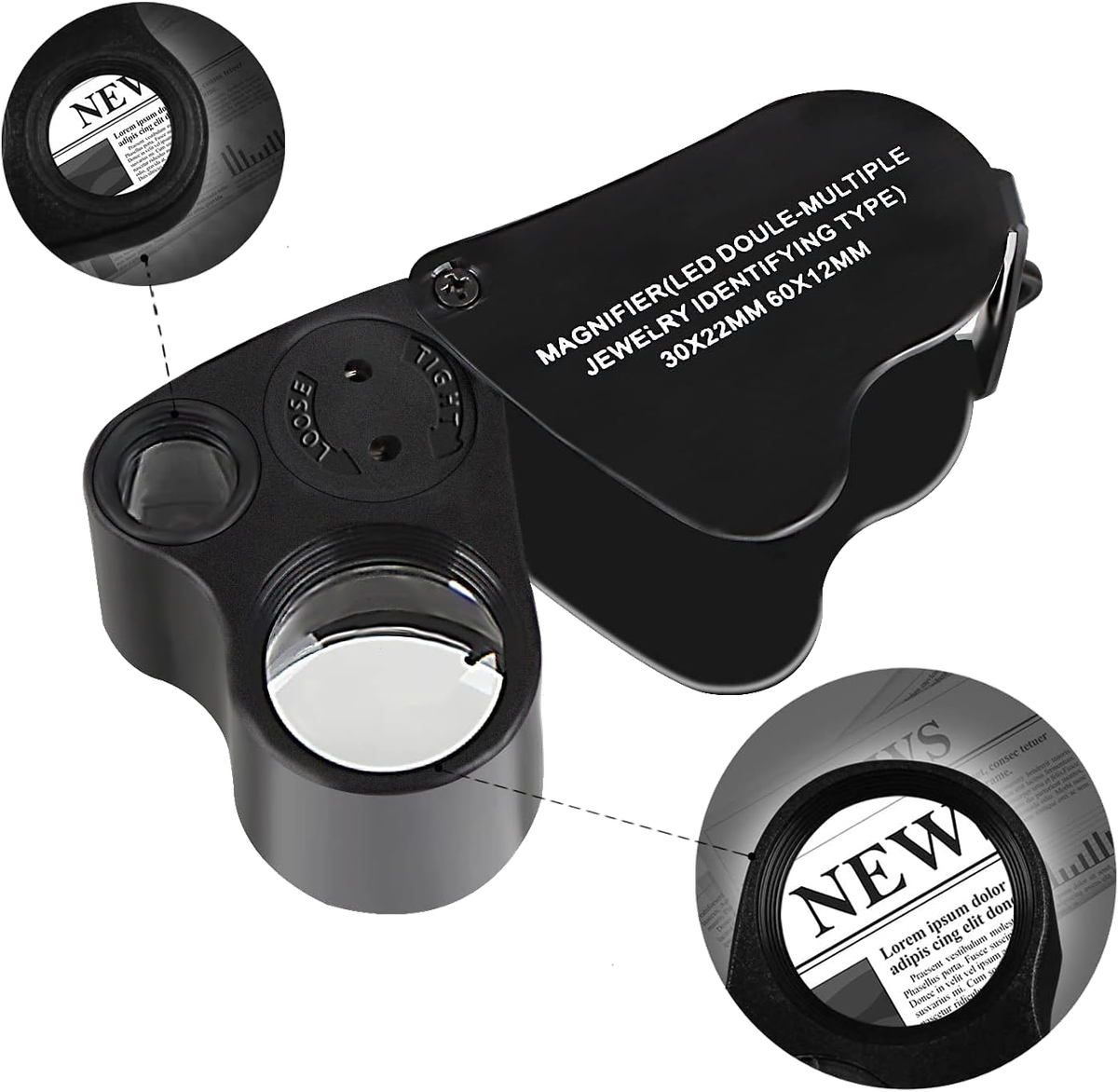
A loupe is the single most important tool in a coin collector's kit. For error and variety hunting, you need magnification to see the details that matter — doubled dies, RPMs, die cracks, and other features that are invisible to the naked eye.
What magnification?
- 5x — Good for general examination, checking dates, and spotting obvious errors. Many collectors keep a 5x in their pocket for quick checks.
- 10x — The standard for serious examination. This is the magnification used by most grading services and the level at which most variety diagnostics are photographed. If you only buy one loupe, get a 10x.
- 20x+ — Useful for very fine diagnostics (die polish lines, micro die cracks, authentication details) but not needed by most collectors. The field of view is very narrow at this magnification.
What to buy: Look for a triplet loupe (three-element lens). A triplet corrects for both chromatic and spherical aberration, giving you a sharp, undistorted image edge-to-edge. Doublet and singlet loupes are cheaper but produce distorted images, especially at the edges. Budget: $15-40 for a quality 10x triplet.
2. Precision Scale (Essential for Certain Tasks)
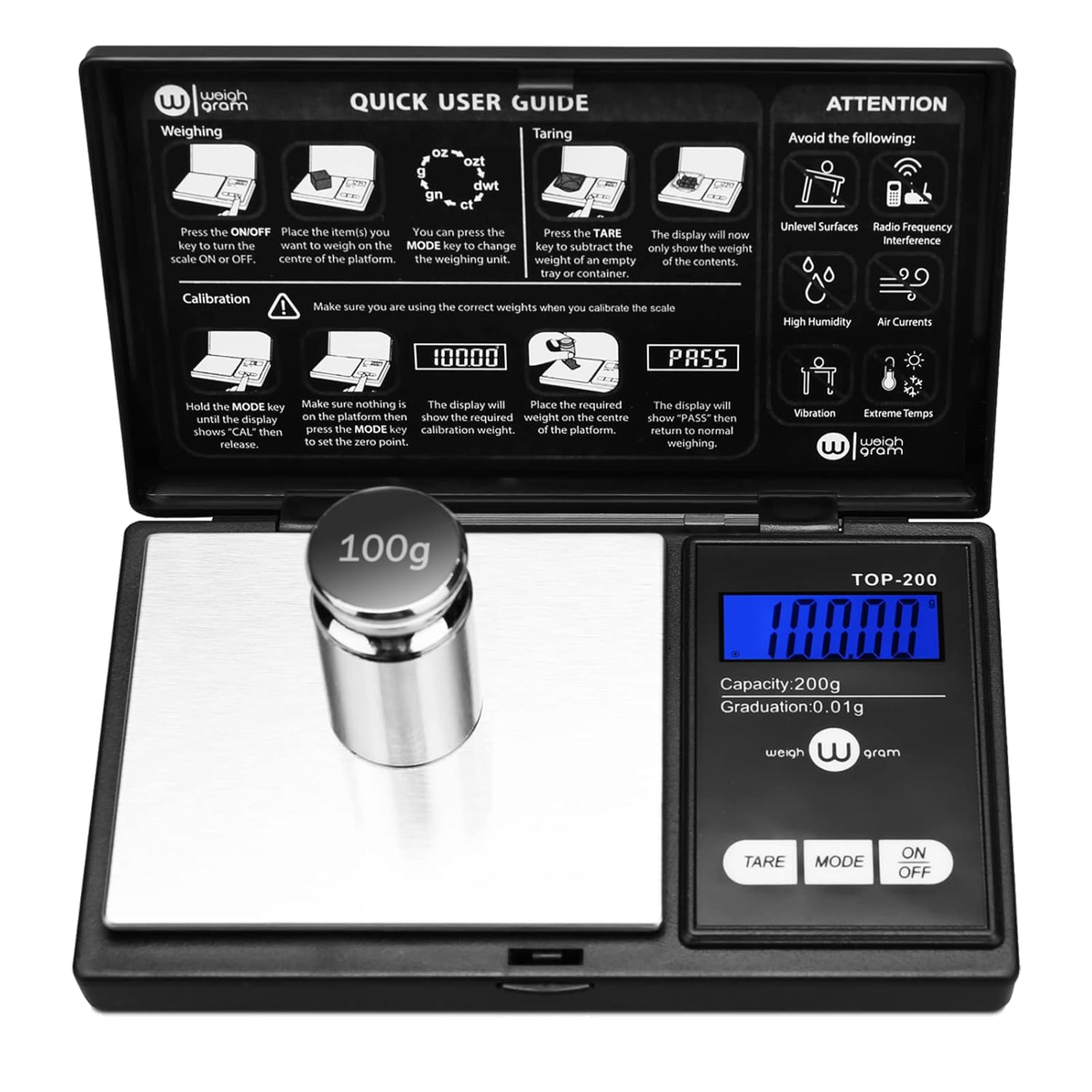
A digital scale accurate to 0.01 grams is essential for:
- Distinguishing 1982 copper from zinc cents (3.1g vs. 2.5g)
- Checking for wrong planchet errors (wrong weight = wrong metal)
- Authenticating suspect coins (counterfeits often weigh slightly wrong)
- Separating silver from clad (different weights by denomination)
Budget: $10-25 for a jeweler's scale with 0.01g accuracy. Make sure it has a tare function and reads in grams.
3. Digital Calipers (Nice to Have)
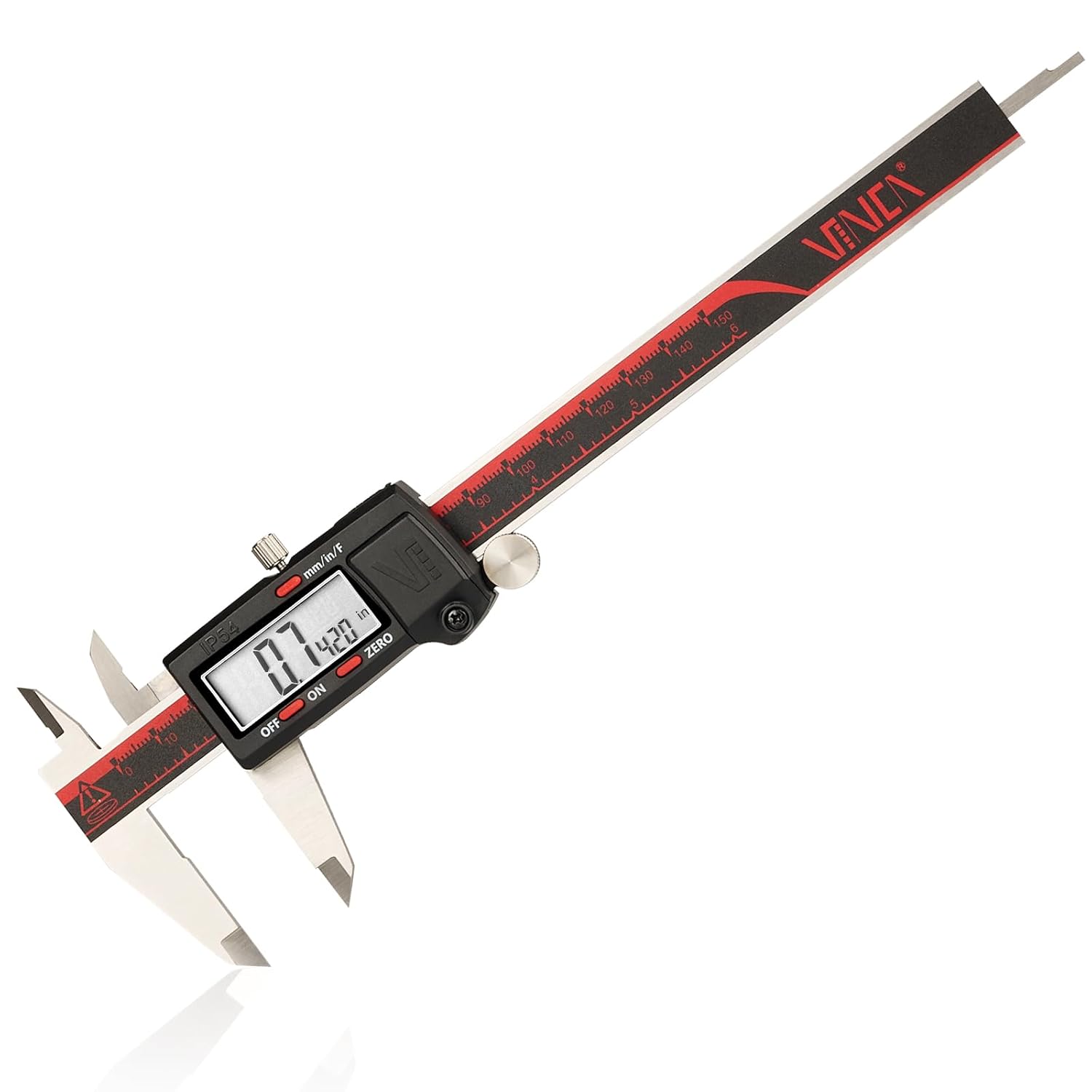
Calipers measure a coin's diameter and thickness, which can help identify wrong planchet errors, broadstrikes (larger than normal diameter), and counterfeits. Not essential for beginning collectors but useful as you advance. Budget: $15-30 for digital calipers with 0.01mm accuracy.
4. Proper Lighting (Important)
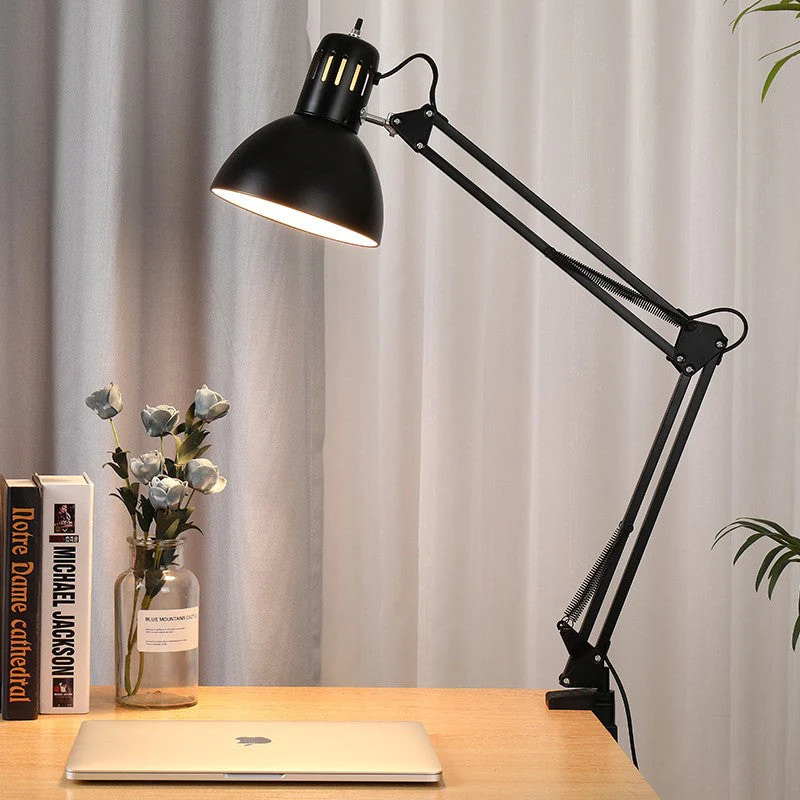
Good lighting is more important than expensive magnification. A bright, daylight-balanced LED desk lamp positioned at a low angle (30-45 degrees) to the coin reveals surface details, luster patterns, and die characteristics that overhead lighting hides.
- Daylight-balanced (5000-6500K) provides accurate color
- Adjustable angle lets you position the light to reveal different features
- A second light source from the opposite side can help eliminate shadows
5. Other Useful Tools
- Magnets — For the 1943 copper cent test and checking for ferrous counterfeits. A small neodymium magnet is ideal.
- Cotton gloves or finger cots — For handling valuable uncirculated coins. Fingerprint oils can permanently damage copper and silver surfaces.
- Coin flips (Mylar, not PVC) — For temporary storage. Make sure they're PVC-free to avoid chemical damage.
- Reference books — The Red Book (Guide Book of United States Coins) and Cherrypickers' Guide are foundational references.
Explore in the NumisDex Catalog
Related varieties and errors from the NumisDex database:
0 Replies
Related Threads
- Cherry-Picking Error Coins at Coin Shows: What to Bring and Where to Look0 replies · 3mo ago
- Working Dog Commemorative Coins: CCAC Recommends Designs for Three New Denominations0 replies · 3mo ago
- Billie Jean King Congressional Gold Medal: Tennis Legend Reviews Her Own Coin Designs at CCAC0 replies · 3mo ago
- How to Safely Store and Handle Coins to Protect Their Value0 replies · 3mo ago
- What Does "Details" Mean on a Graded Coin? Understanding Problem Coins0 replies · 3mo ago