
Should You Ever Clean a Coin? Why Cleaning Destroys Value
The #1 Rule in Coin Collecting: Don't Clean Your Coins
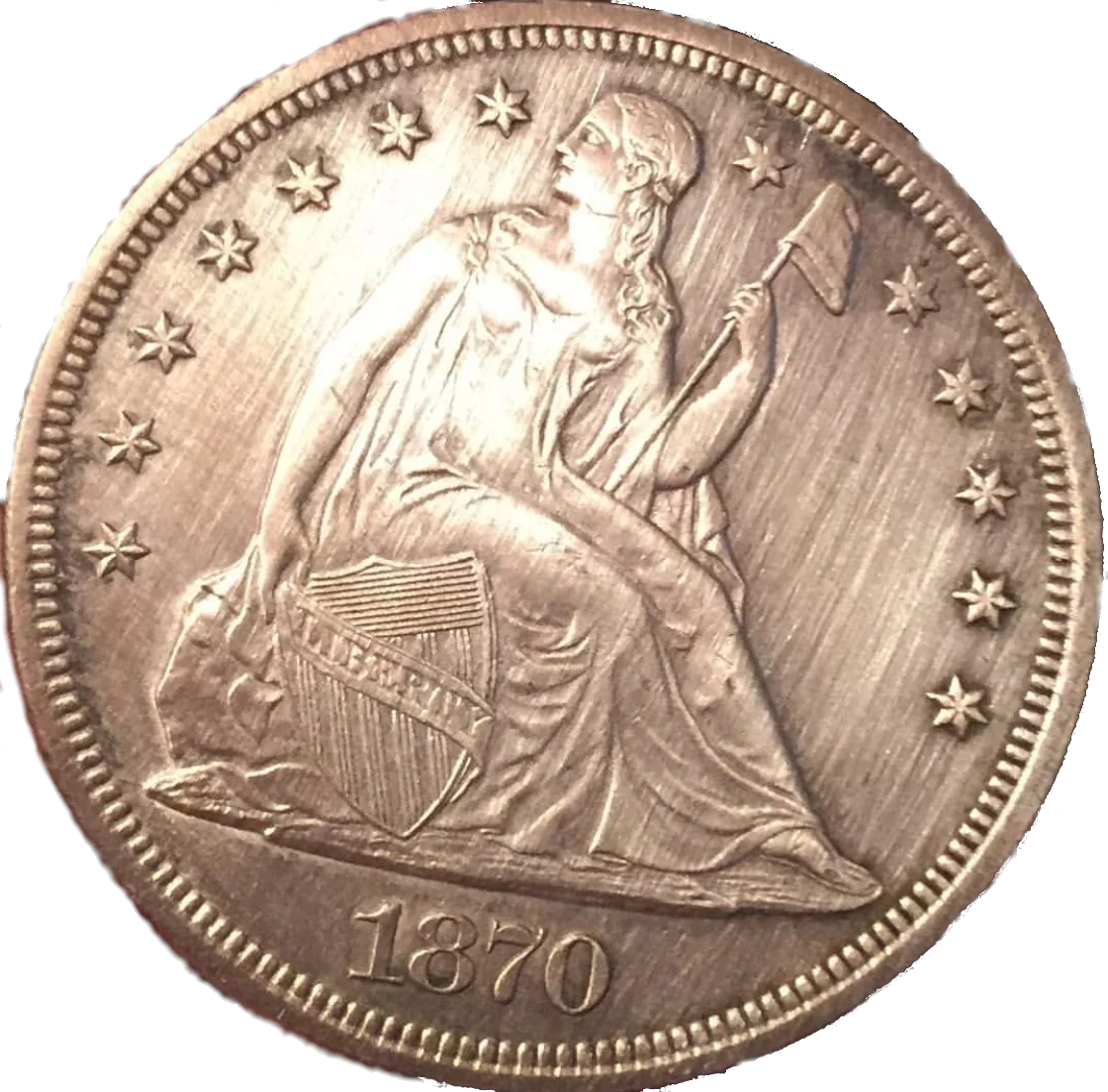
If there's one universal rule that every experienced collector agrees on, it's this: never clean your coins. Cleaning is the single most common way new collectors accidentally destroy the value of their coins. A coin that might grade MS-65 uncleaned can be reduced to a "Details" grade after cleaning — a difference that can mean thousands of dollars.
Why Cleaning Damages a Coin
Even "gentle" cleaning causes microscopic damage that is visible under magnification and immediately apparent to experienced collectors and graders:
- Hairline scratches — Any physical cleaning method (rubbing, polishing, dipping with contact) creates fine scratches across the coin's surface. These scratches are especially visible in the fields (flat areas) under angled light. They cannot be reversed.
- Luster disruption — Original mint luster is created by the flow of metal during striking, producing microscopic parallel lines (flow lines) that reflect light in a characteristic "cartwheel" pattern. Cleaning disrupts these flow lines, giving the coin an unnatural, flat, or overly bright appearance.
- Surface chemistry alteration — Chemical cleaners strip away the natural patina and oxide layer that protects the coin's surface. This can make the coin look unnaturally bright initially, but it also accelerates future toning and corrosion because the protective layer is gone.
How Grading Services Handle Cleaned Coins
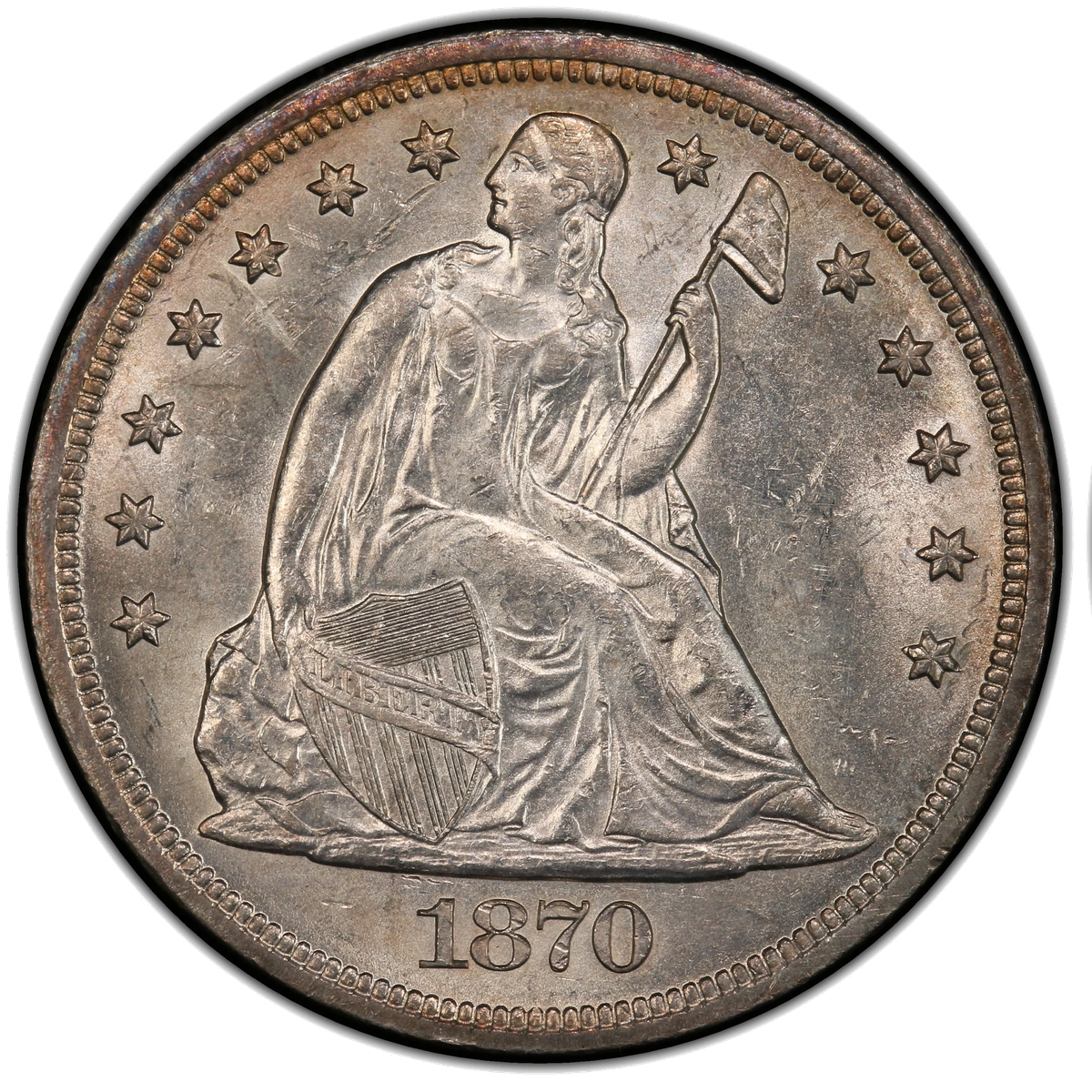
Both PCGS and NGC will grade cleaned coins, but they receive a "Details" grade rather than a numeric grade. For example, a coin that would otherwise grade MS-65 but has been cleaned receives "AU Details — Cleaned" or similar designation. Details-graded coins sell for a fraction of what a straight-graded coin of the same apparent quality would bring.
What About Specific Cleaning Methods?
- Rubbing with a cloth — Creates hairlines. Don't do it.
- Baking soda or silver polish — Abrasive. Creates hairlines and removes metal. Don't do it.
- Vinegar, lemon juice, or ketchup — Acid-based. Etches the surface and strips patina. Don't do it.
- Acetone — The one partial exception. Pure acetone can remove organic contaminants (PVC residue, adhesive) without chemically reacting with the metal. It evaporates cleanly. This is considered conservation rather than cleaning by most professionals — but it must be pure acetone (not nail polish remover, which contains additives), and the coin should not be rubbed. Dip only.
- Professional conservation — NCS (NGC Conservation Services) and other professional conservators can stabilize and improve a coin's appearance using methods that grading services accept. If a coin genuinely needs treatment (e.g., PVC damage, active corrosion), professional conservation is the only safe option.
The Bottom Line
That dirty, toned, or spotted coin in your collection is almost certainly worth more in its current state than it would be after cleaning. The natural patina that you might consider unattractive is actually a sign of originality that experienced collectors value. When in doubt, leave it alone.
Explore in the NumisDex Catalog
Related varieties and errors from the NumisDex database:
0 Replies
Related Threads
- Cherry-Picking Error Coins at Coin Shows: What to Bring and Where to Look0 replies · 3mo ago
- Working Dog Commemorative Coins: CCAC Recommends Designs for Three New Denominations0 replies · 3mo ago
- Billie Jean King Congressional Gold Medal: Tennis Legend Reviews Her Own Coin Designs at CCAC0 replies · 3mo ago
- How to Safely Store and Handle Coins to Protect Their Value0 replies · 3mo ago
- What Tools Do You Actually Need for Coin Collecting? (and at What Magnification)0 replies · 3mo ago