
Not All Doubled Dies Are Created Equal: The Three Levels of Doubling Most Collectors Don't Know About
Master Die Doubling ObverseWhen most collectors hear "doubled die," they picture the famous 1955 Lincoln cent with its dramatic, naked-eye doubling on LIBERTY and IN GOD WE TRUST. But here's something most people don't realize: not all doubled dies come from the same place.
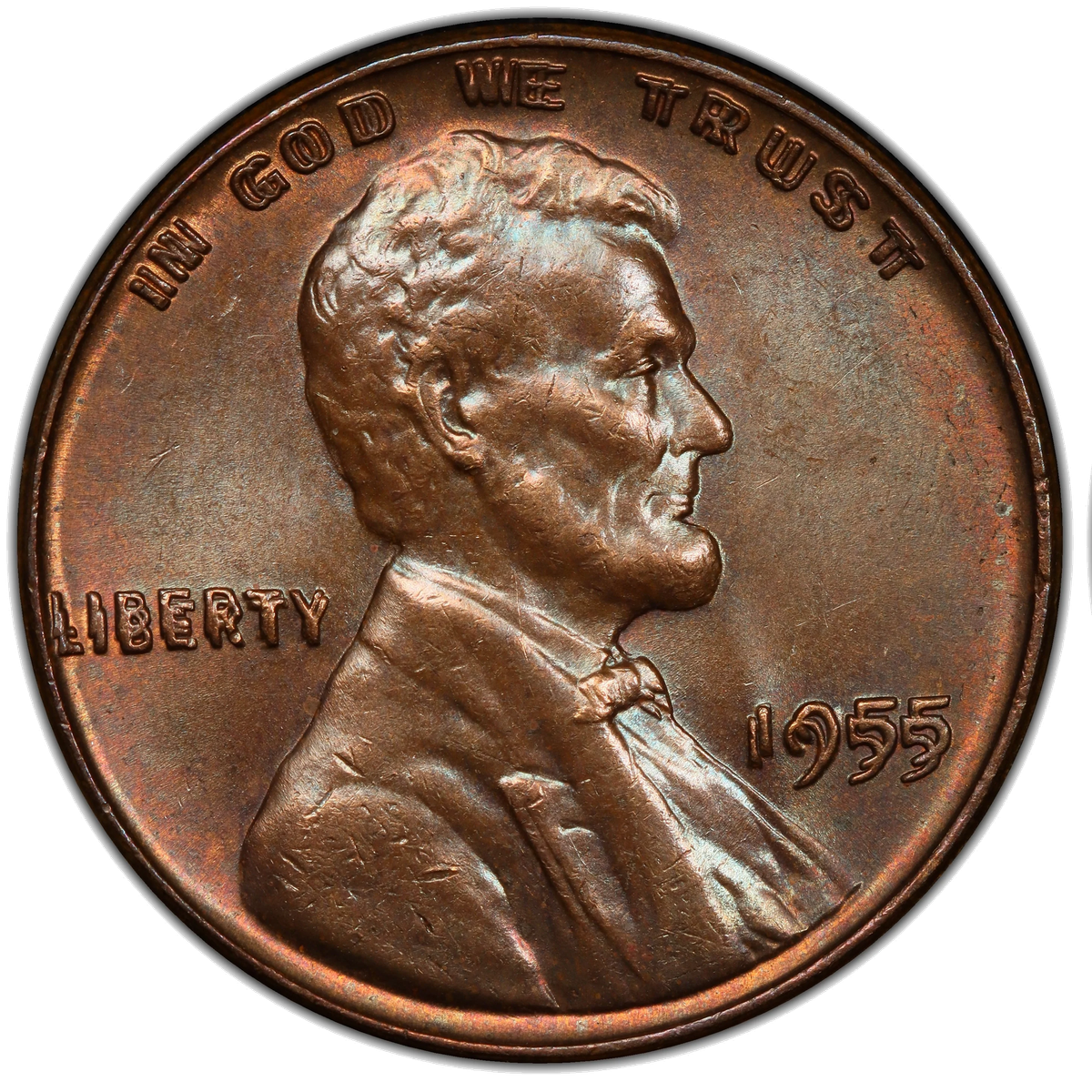
Strong doubling — unmistakable to the naked eye, with fully separated secondary images on legends and date
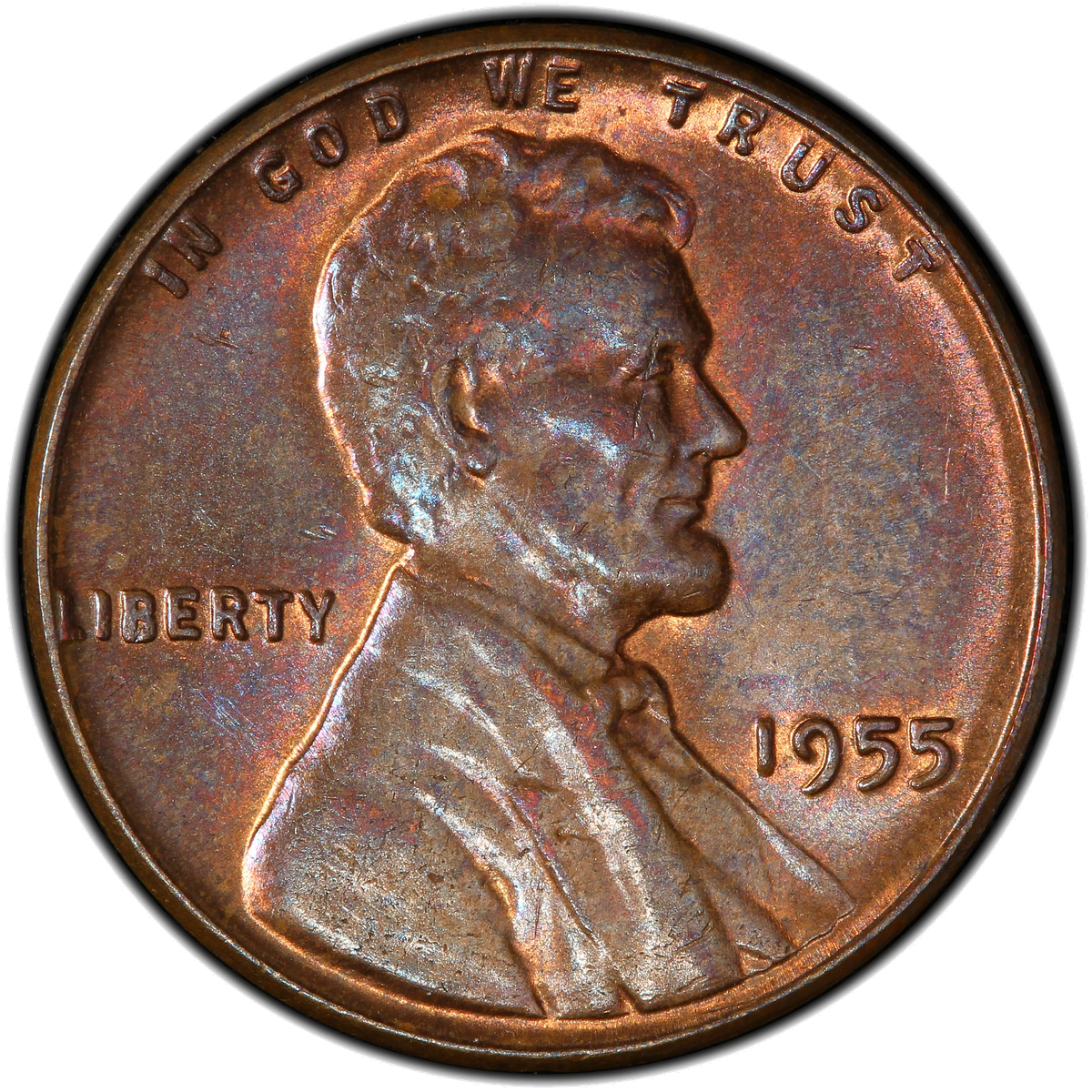
Moderate doubling — visible with a loupe, showing clear but not dramatic separation on key design elements
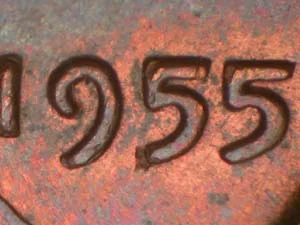
Minor doubling — subtle separation that requires careful study under magnification, but still a genuine doubled die variety
The U.S. Mint's die production process is a chain, and doubling can be introduced at three different levels. Each level produces a fundamentally different type of variety -- with different characteristics, different rarity profiles, and different implications for how many coins are affected.
The Production Chain
To understand this, you need to know how the Mint creates the dies that strike your coins:
```
Master Hub (original design, positive image)
|
v
Master Die (negative image -- one per design)
|
v
Working Hubs (positive -- multiple made from master die)
|
v
Working Dies (negative -- multiple made from each working hub)
|
v
Your Coins
```
Doubling can happen at any transfer in this chain. Where it happens determines everything about the variety.
Level 1: Master Die Doubling (MDO/MDR) -- The Ghost in the Machine
If the master hub shifts when creating the master die, every single coin of that design carries the doubling. Every working hub, every working die, every coin from every mint facility -- all of them. It's the most widespread doubling by coin count, but paradoxically, it's also the subtlest. The Mint uses its most precise equipment at this stage, so misalignments are tiny. Most MDO varieties require 10-20x magnification to detect.
The key diagnostic: if you find the same doubling on coins from completely different die pairs and different working hubs, it came from the master die.
Level 2: Working Hub Doubling (WHO/WHR) -- The Middle Child
If a working hub receives two misaligned impressions from the master die, every die made from that hub inherits the doubling -- but dies made from other working hubs don't. This means WHO varieties show up on coins from multiple die pairs (all the dies from that hub) but not on every coin of that date and mint.
The diagnostic: same doubling across different die pairs, but not across all die pairs for that issue.
WHO varieties are the "middle child" of the doubled die family -- more widespread than a DDO but less pervasive than an MDO. They tend to show moderate, spread-like doubling rather than the dramatic separation of the strongest DDOs.
Level 3: Doubled Die (DDO/DDR) -- The One Everyone Knows
This is the classic doubled die. A single working die receives two misaligned impressions from a working hub. Only coins struck by that specific die show the doubling. This is why the 1955 DDO Lincoln cent is estimated at only 20,000-24,000 coins -- that's roughly how many coins one die strikes before being retired.
DDOs produce the most dramatic doubling because working die creation historically used less precise equipment than master die or hub creation. The famous varieties -- 1955, 1969-S, 1972, 1995 -- are all working die-level doubled dies.
Why This Matters
| Level | Origin | Coins Affected | Typical Strength | Collector Awareness |
|---|---|---|---|---|
| MDO | Master die | Every coin of that design | Very subtle (10-20x mag) | Low -- most collectors have never heard of it |
| WHO | Working hub | All dies from that hub | Moderate | Growing -- attribution services increasingly recognize these |
| DDO | Working die | One die's output (~20,000-50,000 coins) | Subtle to dramatic | High -- the most famous error type in the hobby |
Understanding this hierarchy changes how you look at coins. That slight thickening on LIBERTY that you dismissed as die wear? It might be an MDO that appears on every coin of that date. That consistent spread you're seeing across multiple die pairs? That's a WHO, not a DDO.
The Diagnostic Flowchart
Next time you think you've found a doubled die, ask yourself:
1. Does only one die pair show this doubling? → DDO (working die level)
2. Do multiple die pairs show it, but not all of them? → WHO (working hub level)
3. Does every die pair for this date show it? → MDO (master die level)
Of course, most collectors don't have access to dozens of examples from different die pairs. But knowing that these three levels exist helps you understand what you're looking at -- and it's the kind of knowledge that separates a casual collector from someone who really understands how coins are made.
Explore all three levels on NumisDex:
- [Doubled Die Obverse (DDO)](https://www.numisdex.community/learn/doubled-die-family/doubled-die-obverse)
- [Doubled Working Hub Obverse (WHO)](https://www.numisdex.community/learn/doubled-die-family/doubled-working-hub-obverse)
- [Master Die Doubling Obverse (MDO)](https://www.numisdex.community/learn/doubled-die-family/master-die-doubling-obverse)
Explore in the NumisDex Catalog
Related varieties and errors from the NumisDex database:
0 Replies
Related Threads
- 1995 Doubled Die Cent: How to Confirm the Doubling on LIBERTY0 replies · 3mo ago
- Is Your 1972 Cent a Real Doubled Die? How to Check the Obverse0 replies · 3mo ago
- 1969-S Doubled Die Obverse: How to Identify vs. Worthless Look-Alikes0 replies · 3mo ago
- Machine Doubling vs. True Doubled Die: Can You Tell?0 replies · 4mo ago
- The Most Famous Doubled Die: 1955 Lincoln Cent DDO0 replies · 4mo ago