
1938 Doubled Die Obverse WDDO-001
Error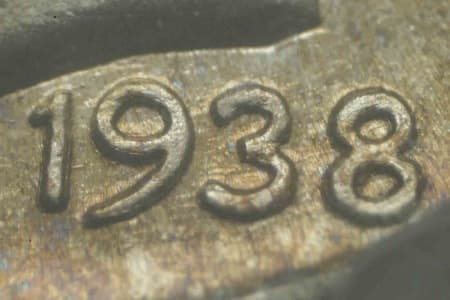
Description
Holding the primary Wexler doubled die obverse designation for the 1938 Mercury dime, WDDO-001 exhibits a close spread towards the center on the date — a subtle inward displacement of the secondary hub impression relative to the primary that produces thickened numeral contours rather than clearly separated doubled images. Adolph A. Weinman's Winged Liberty Head design was in its twenty-third year of production in 1938, and Philadelphia struck approximately 22.20 million dimes that year, a date that sits in the middle range of Depression-recovery mintages. The close centripetal spread direction — unusual among doubled dies, which more commonly show directional displacement north, south, east, or west — suggests the secondary hub impression was slightly rotated or compressed relative to the primary, concentrating the doubling effect on the radially positioned date numerals at the lower right of the obverse. Obverse die markers provide essential secondary diagnostics: rotational die scratches can be found throughout the obverse surface, a pattern consistent with the die having been polished using a circular motion that left concentric microscopic lines across the field and design elements. On the reverse, a small die gouge sits below the D in UNITED, offering a pinpoint confirmation feature that identifies this specific working die independent of the doubling itself. The Wexler Team cataloged this variety under Wexler Variety ID: 1938 10c WDDO-001, with no additional cross-references currently known from other attribution services. As the first and primary WDDO for the date, this variety represents the most significant obverse doubled die documented for the 1938 Philadelphia Mercury dime. Collectors should begin their examination by locating the die gouge below the D in UNITED on the reverse to verify the correct die, then flip to the obverse and study the date numerals under 15-20x magnification, looking for the characteristic thickening produced by close centripetal spread — particularly evident on the curved strokes of the 9, 3, and 8, where inward displacement creates subtly widened contours compared to normally struck examples.
Attribution History
- Discovered by Thomas McGowan Cross References: None known
- None known; Wexler Variety ID: 1938 10¢ WDDO-001
- Expert attribution by Wexler Team
External References
Community & Reference
More Doubled Die Obverse Errors
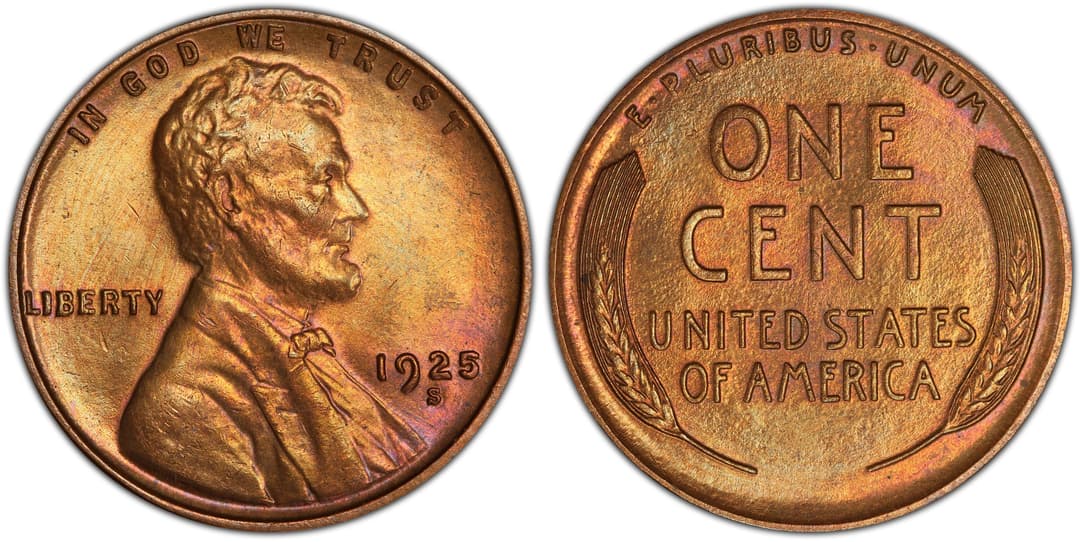
1925-S Doubled Die Obverse DDO-001
Doubled Die Obverse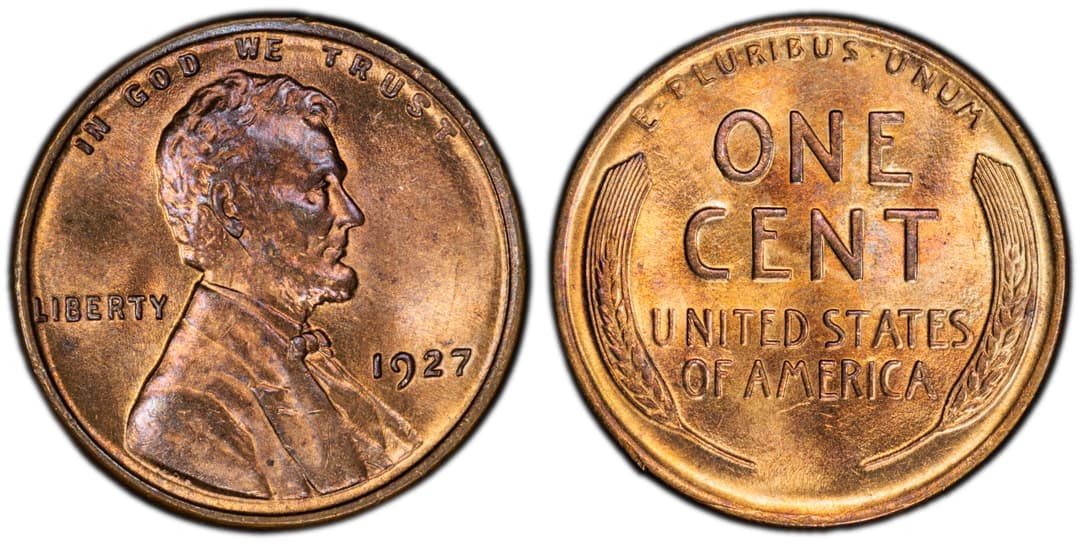
1927 Doubled Die Obverse DDO-001
Doubled Die Obverse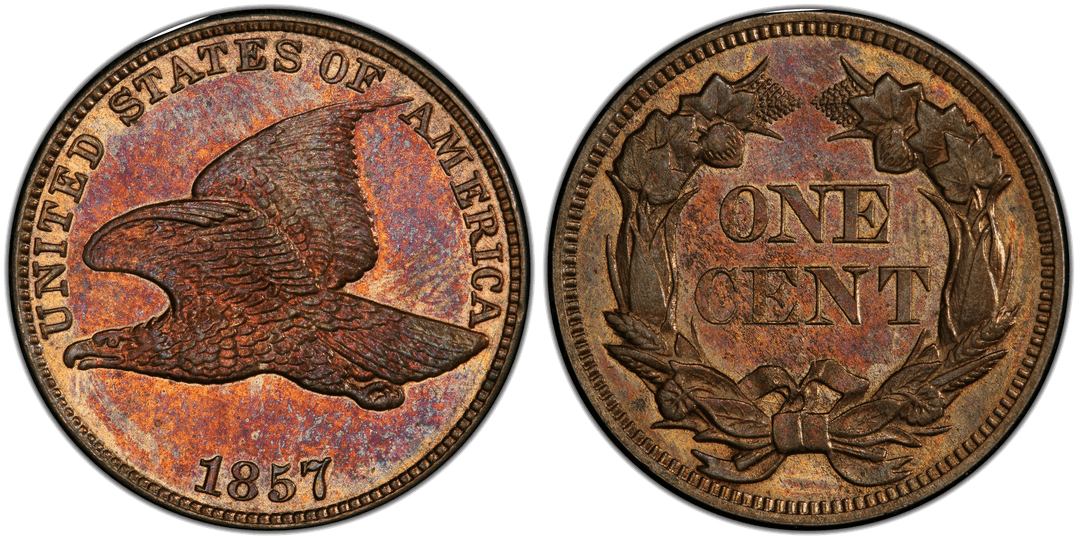
1857 Proof Flying Eagle Cent Doubled Die Obverse FS-401 Snow-5
Doubled Die Obverse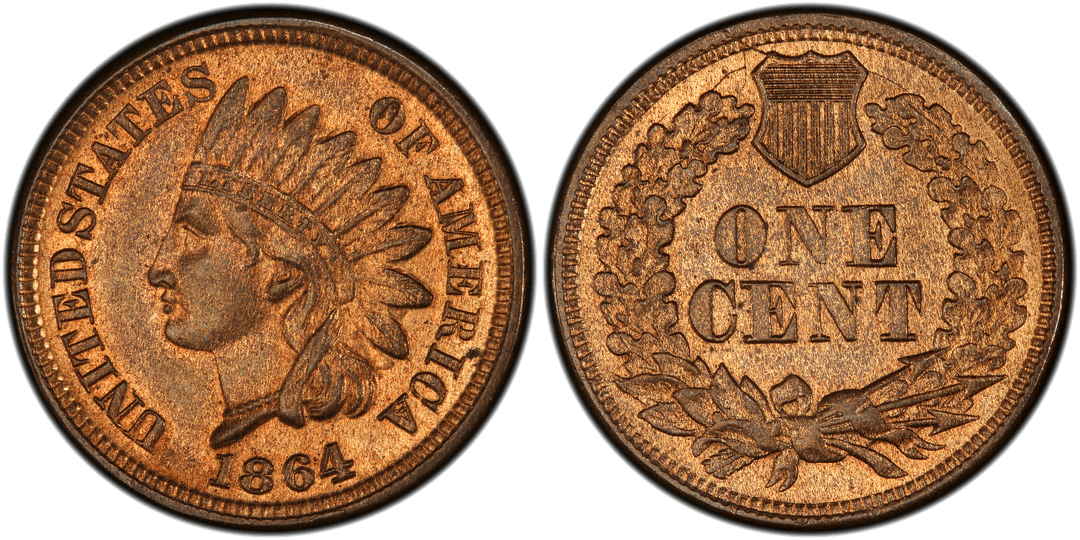
1864 Indian Head Cent (Bronze No L) Doubled Die Obverse FS-1101 Snow-4
Doubled Die Obverse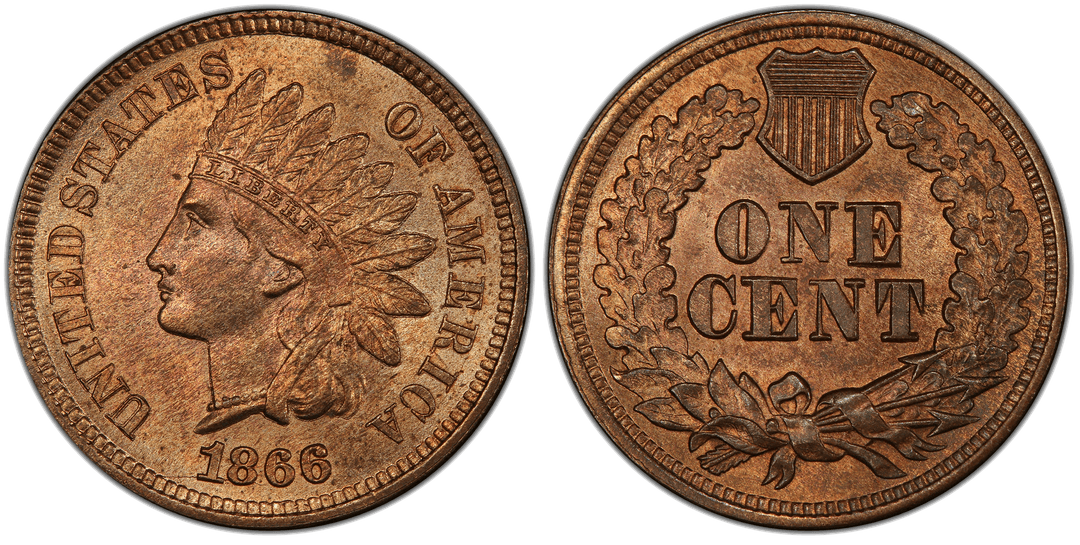
1866 Indian Head Cent Doubled Die Obverse FS-101 Snow-1
Doubled Die ObverseCollector Essentials
Tools for examining and preserving error coins and die varieties.
10x-20x Jeweler's Loupe
Essential for examining die varieties, doubled dies, and RPMs
Cherry Picker's Guide
The definitive reference for U.S. error coins and die varieties
2x2 Coin Flips & Holders
Protect and organize your finds with archival-quality holders
USB Digital Microscope
Capture detailed images for documentation and community submissions
As an Amazon Associate, NumisDex earns from qualifying purchases.