
1866 Eagle Patterns
BaseAbout This Coin
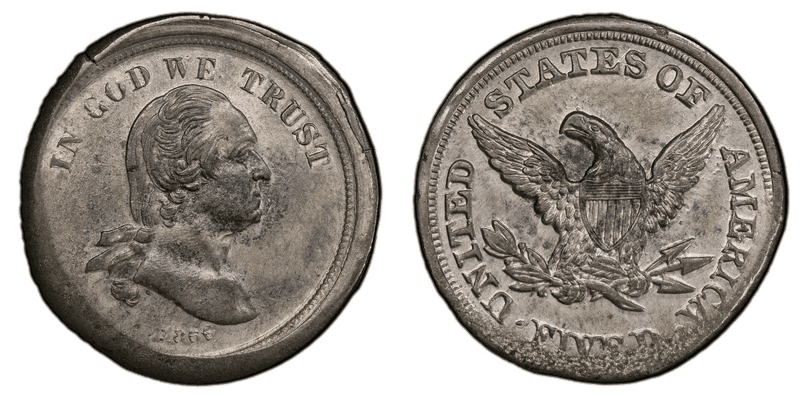
Produced at the Philadelphia Mint in the inaugural year of the Reconstruction Era Patterns program, these eagle ($10 gold) experimental pieces tested post-Civil War design concepts for America's primary gold denomination. The eagle represented a substantial sum in 1866 — roughly two weeks' wages for an average worker — and its design carried significant symbolic weight. The Coronet Liberty Head had served since 1838, and the 1866 patterns explored whether nearly three decades of use warranted a refresh. A notable auction result of $4.8K in PR64 at Bowers & Merena suggests these patterns appear at auction with somewhat greater frequency than the rarest Reconstruction pieces. The 1866 eagle patterns hold particular significance because they were struck when gold coins had effectively vanished from domestic circulation due to wartime hoarding, making them experimental designs for a denomination that Americans could not actually use in everyday commerce. Gold eagles would not return to general circulation until the resumption of specie payments in 1879, thirteen years after these patterns were struck.
Specifications
Strike Types & Varieties(1)
Other Base Coins in This Series


Collector Essentials
Tools and references for building and protecting your coin collection.
10x-20x Jeweler's Loupe
A must-have for examining coin details, mint marks, and surface quality
Red Book — Guide to U.S. Coins
The essential annual reference for U.S. coin values, history, and mintages
Coin Albums & Storage
Archival-quality albums and holders to protect and display your collection
USB Digital Microscope
Capture detailed images for documentation and community submissions
As an Amazon Associate, NumisDex earns from qualifying purchases.