
1862 Indian Head Cent Obverse Rim Cud (3 to 7 o'clock)
Error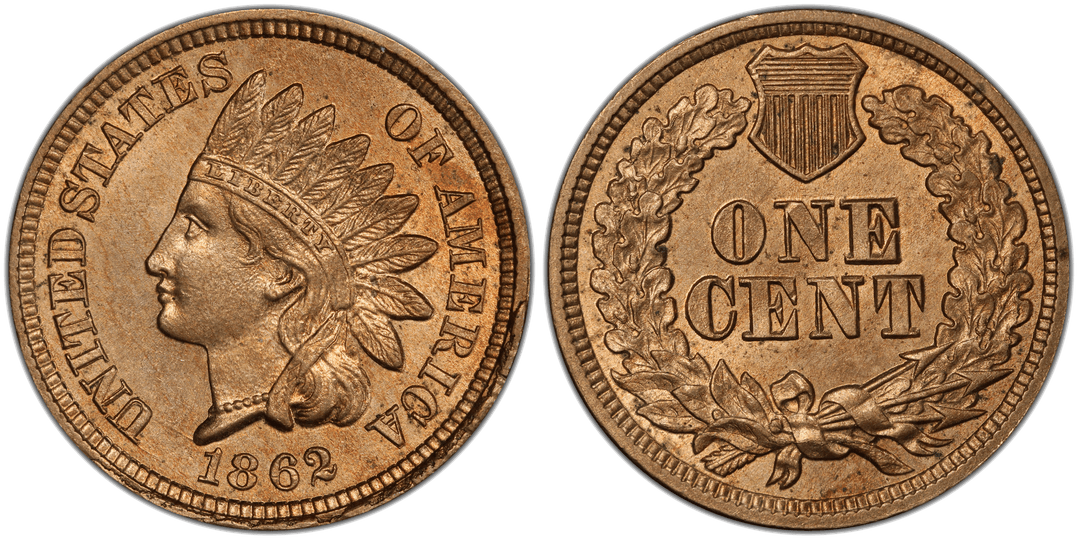
Community Voting
This listing needs 10.0 weighted votes to advance to community review.
Description
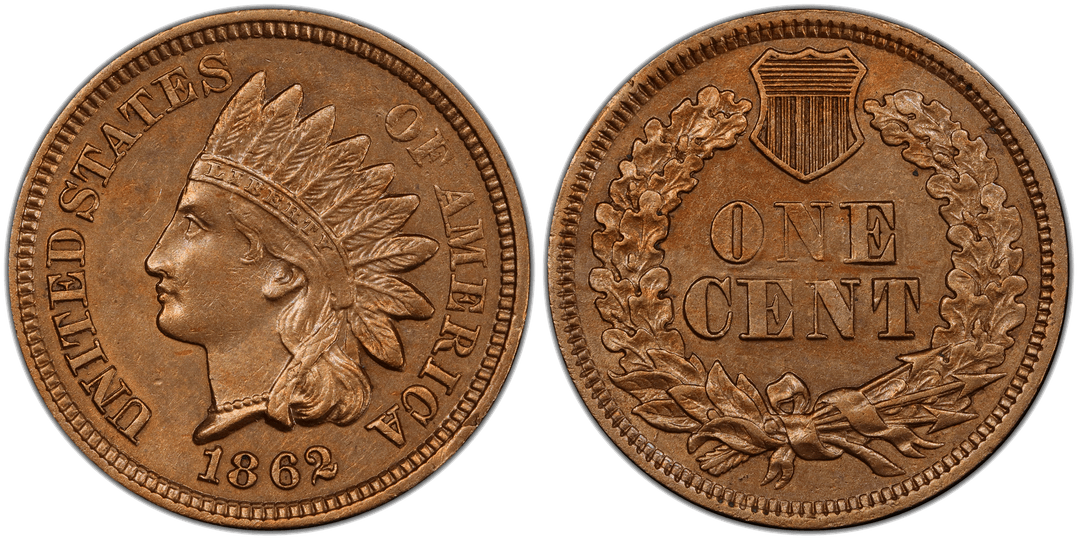
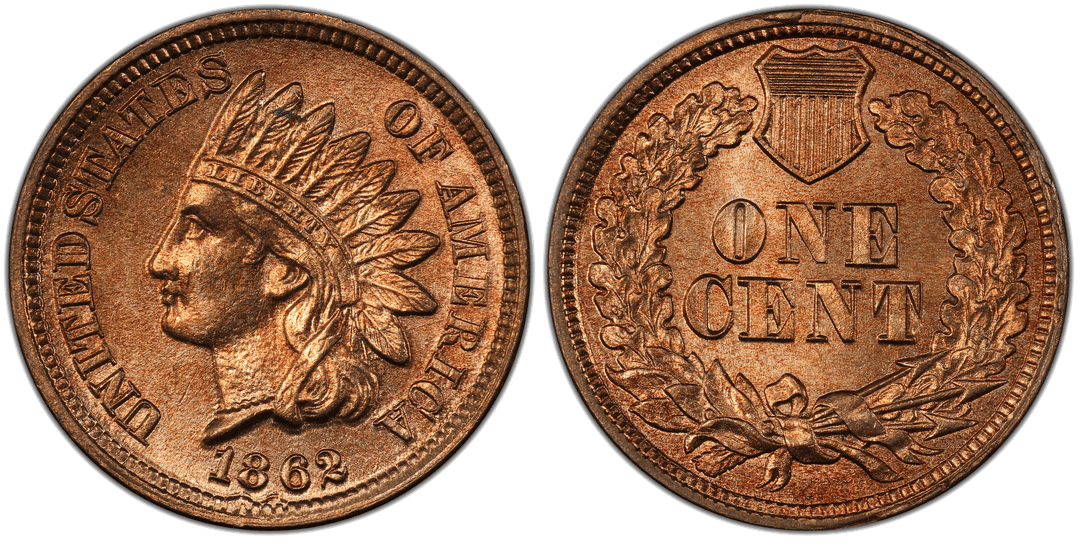
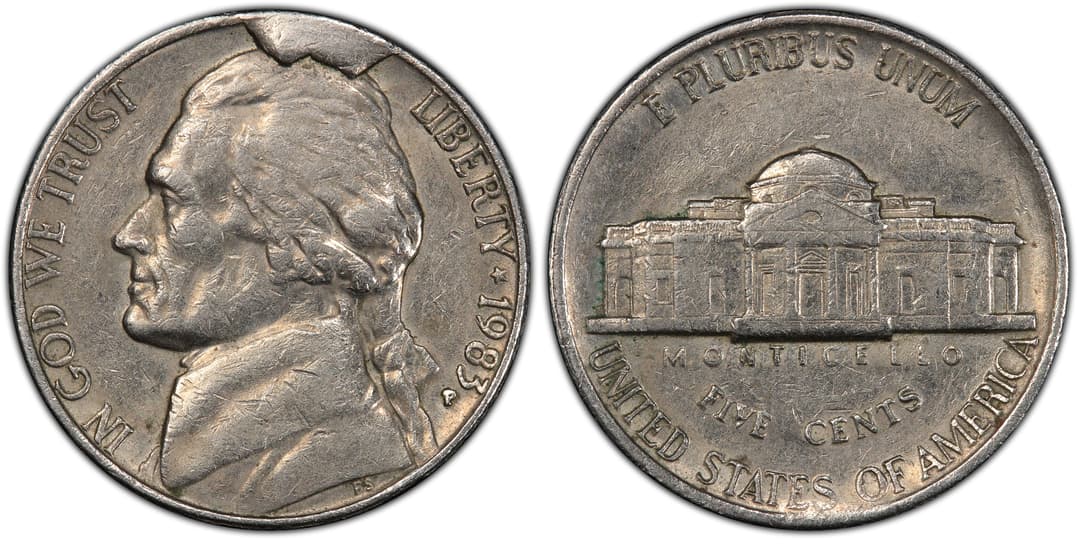
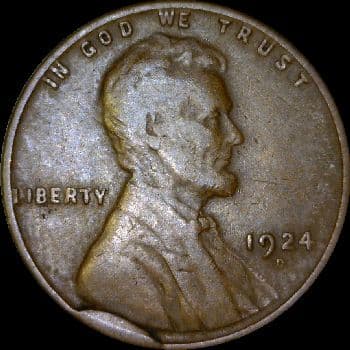
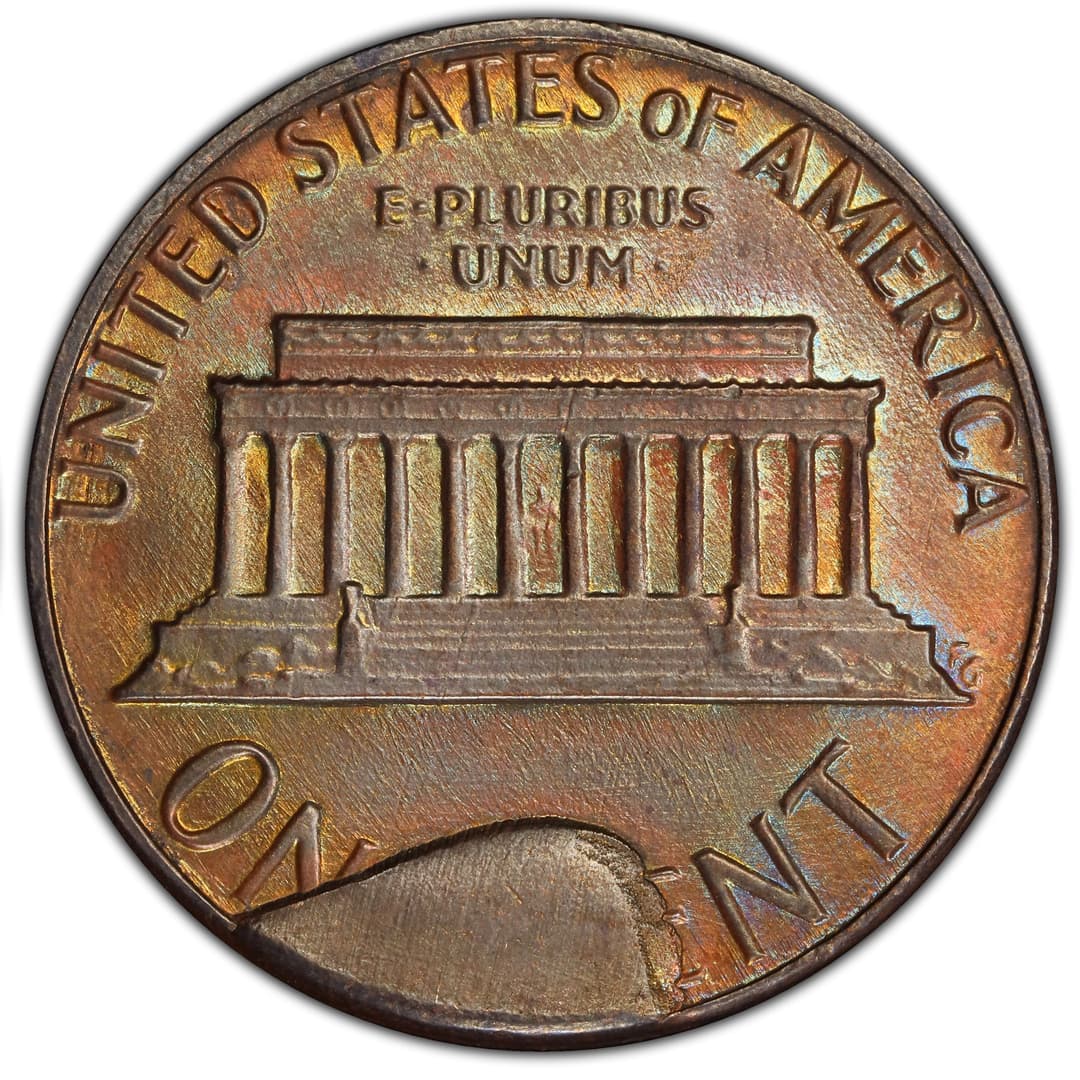
Spanning from 3 o'clock to 7 o'clock on the obverse, this rim cud on an 1862 Indian Head cent represents a significant die failure: a section of the working die broke away at the rim, and the planchet metal flowed into the void during striking, producing a raised, featureless bulge along the lower-left quadrant of the coin's face. Cud breaks of this arc length are among the more dramatic die failure types found on nineteenth-century coinage. The 1862 Indian Head cent was produced during the Civil War, when metal hoarding drove small change almost entirely out of circulation. With cents scarce, the Mint pushed working dies well past their normal service lives to maintain supply. This prolonged use made terminal die failures — including rim cuds — considerably more common on Civil War-era cents than on later issues. The 1862 cent was composed of 88% copper and 12% nickel, a harder alloy than the bronze introduced in 1864, which placed additional stress on aging dies. Longacre's Indian Head design concentrated striking pressure across a large surface area, accelerating die edge wear. A cud occurs when a piece of the die breaks away at the rim, and the planchet metal flows into the void, creating a raised, featureless area on the struck coin. Dies were used well beyond their normal lifespan, making die deterioration varieties relatively common for this year.
Community & Reference
Learn About Cud
How this error occurs, identification tips, and collecting guide
Discuss in Forum
Join the community conversation about Cent
Catalog Status
Related Errors
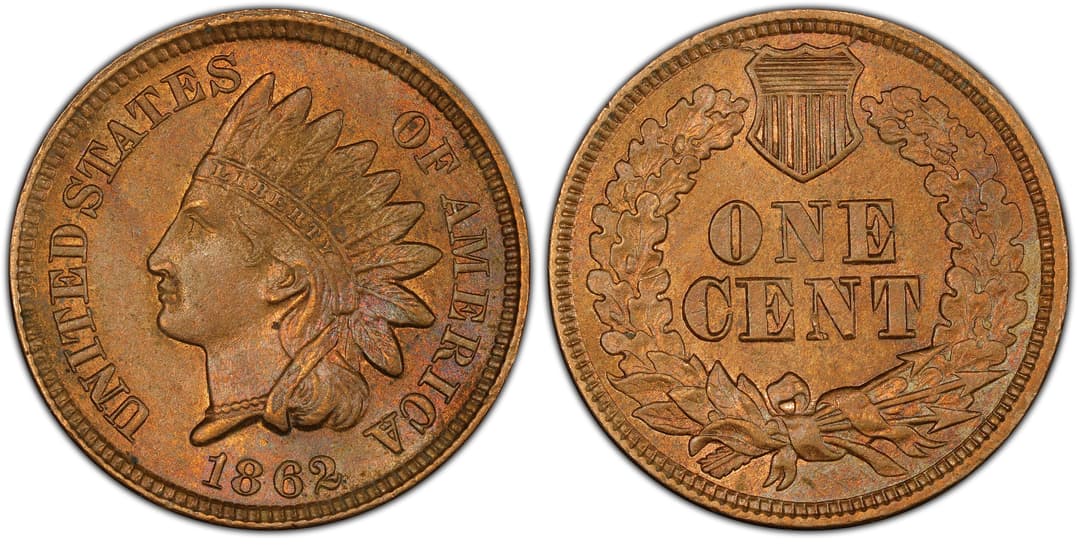
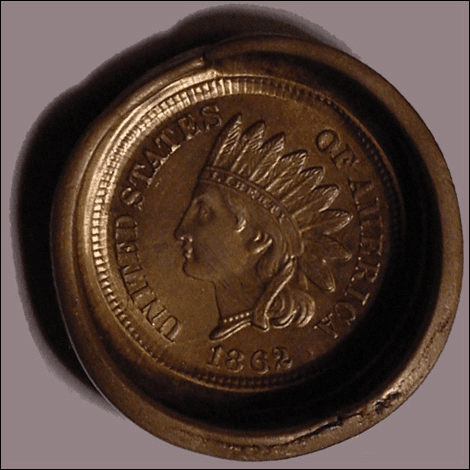
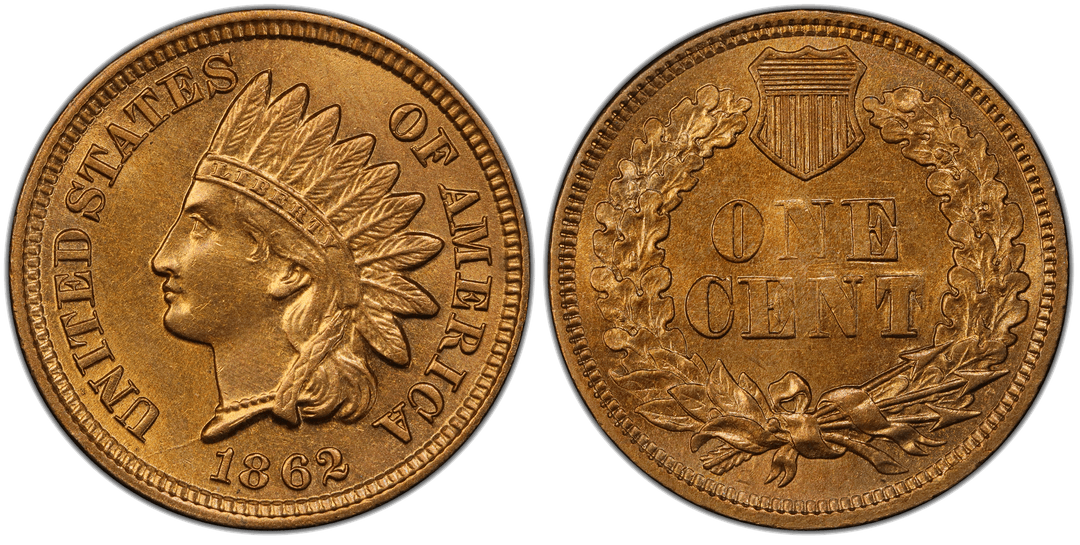
More Cud Errors
Collector Essentials
Tools for examining and preserving error coins and die varieties.
10x-20x Jeweler's Loupe
Essential for examining die varieties, doubled dies, and RPMs
Cherry Picker's Guide
The definitive reference for U.S. error coins and die varieties
2x2 Coin Flips & Holders
Protect and organize your finds with archival-quality holders
USB Digital Microscope
Capture detailed images for documentation and community submissions
As an Amazon Associate, NumisDex earns from qualifying purchases.