
1849 Eagle Patterns
BaseAbout This Coin
Positioned as the 25th of 35 years in the Early Republic Patterns (1792-1859), the 1849 Eagle Patterns coincide with one of the most transformative years in American economic history — the California Gold Rush. The discovery of gold at Sutter's Mill unleashed a torrent of precious metal creating urgent questions about gold coinage denominations, weights, and designs. These patterns feature various experimental designs for the ten-dollar gold coin, produced at the Philadelphia Mint when the Mint was simultaneously creating two new gold denominations — the gold dollar and twenty-dollar double eagle — authorized by the Act of March 3, 1849. The coincidence of eagle pattern production with new denomination introductions suggests the design team was reconsidering the entire gold lineup in response to unprecedented California gold. Minted when new branch mints at Charlotte, Dahlonega, and New Orleans were processing regional deposits, these patterns capture the Mint at maximum creative activity. For collectors, the 1849 eagle patterns document the design thinking accompanying America's transformation from a relatively gold-poor nation to the world's largest gold producer virtually overnight.
Specifications
Strike Types & Varieties(1)
Other Base Coins in This Series
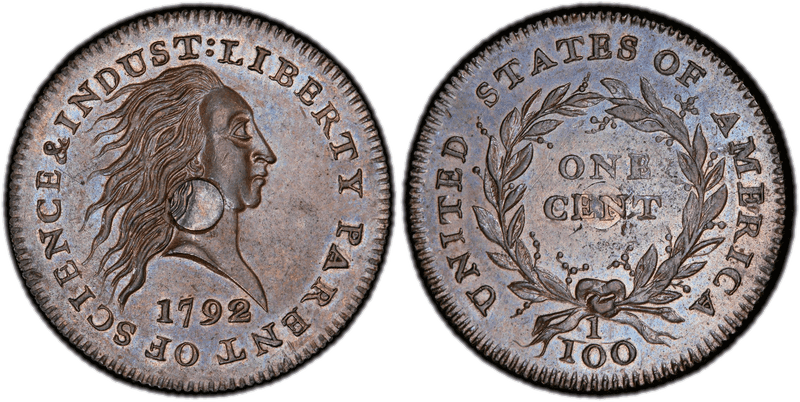
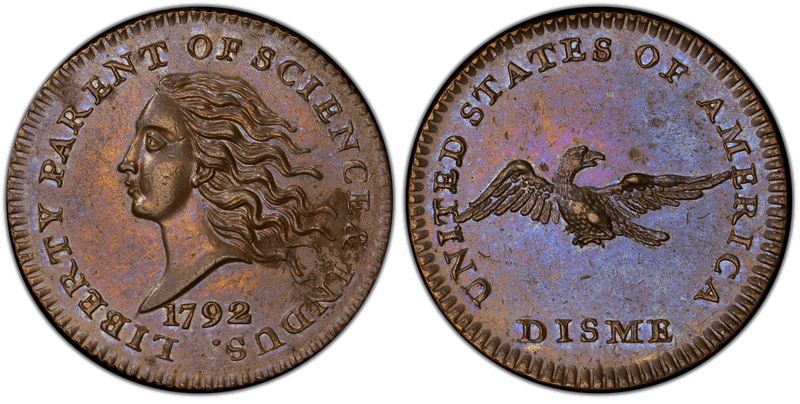
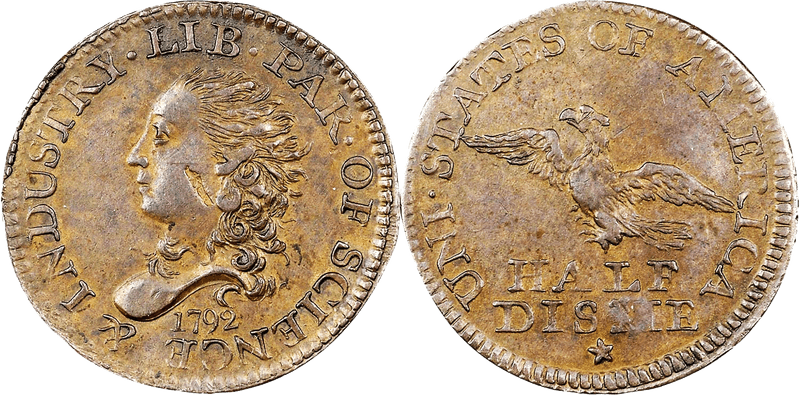
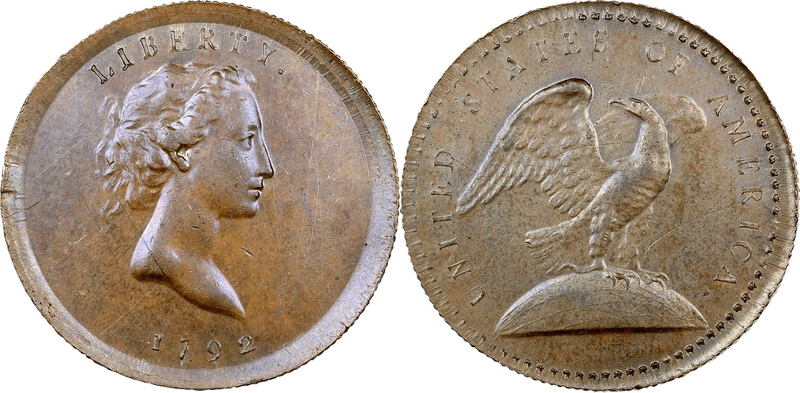
Collector Essentials
Tools and references for building and protecting your coin collection.
10x-20x Jeweler's Loupe
A must-have for examining coin details, mint marks, and surface quality
Red Book — Guide to U.S. Coins
The essential annual reference for U.S. coin values, history, and mintages
Coin Albums & Storage
Archival-quality albums and holders to protect and display your collection
USB Digital Microscope
Capture detailed images for documentation and community submissions
As an Amazon Associate, NumisDex earns from qualifying purchases.