
1797 Draped Bust Cent - Reverse of 1795, Gripped Edge - Draped Bust Large Cent (Gripped Edge) Obverse Unusual Die Crack
Error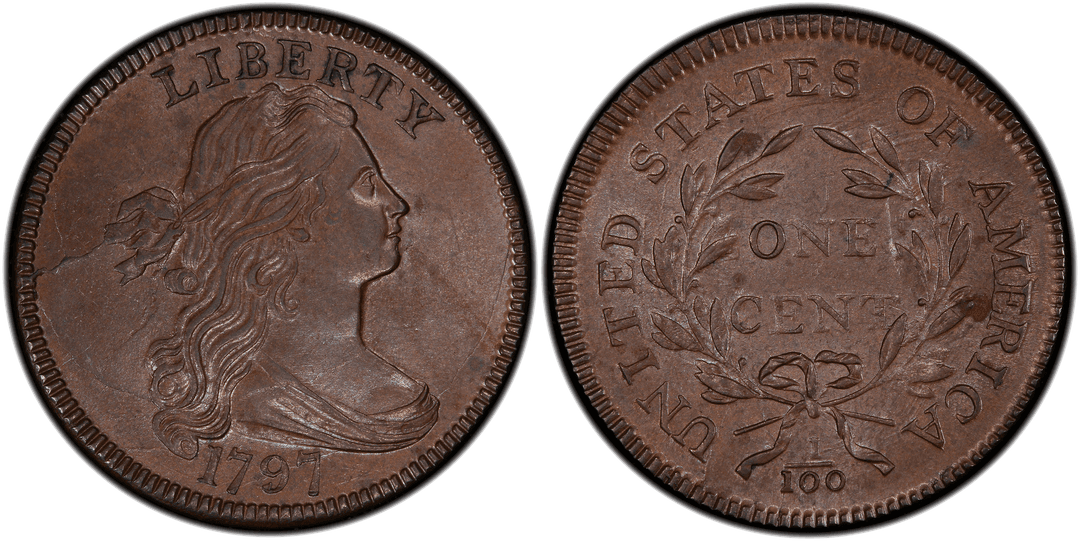
Attribution
Discovered by
NumisDex
Description
Five distinct die cracks radiate from the obverse rim inward toward Liberty on this 1797 Draped Bust Cent with Gripped Edge — three from the left side, one through the date below the bust, and one from the right of the bust — forming a spoke-like convergence pattern. The Gripped Edge variety has a series of indentations on the edge that look like knife cuts at right angles to the die faces, rather than the plain edge of the standard 1797 Draped Bust Cent. The 1797 Draped Bust Cent was struck when inconsistent die steel made cracking common at the early Philadelphia Mint; five cracks on a single obverse die represents severe die deterioration. The Draped Bust design by Robert Scot appeared on cents from 1796 to 1807. The spoke-pattern crack structure combined with the Gripped Edge designation makes this an early American die-failure reference piece.
Community & Reference
More Unusual Die Crack Errors
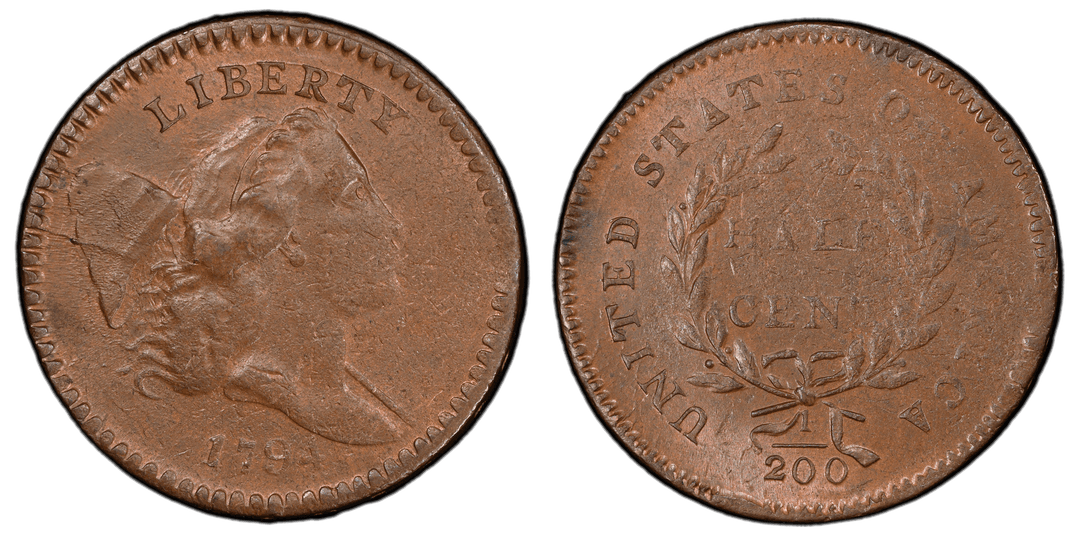
1794 Liberty Cap Right Half Cent Unusual Die Crack and Tapered Planchet
Unusual Die Crack, Tapered Planchet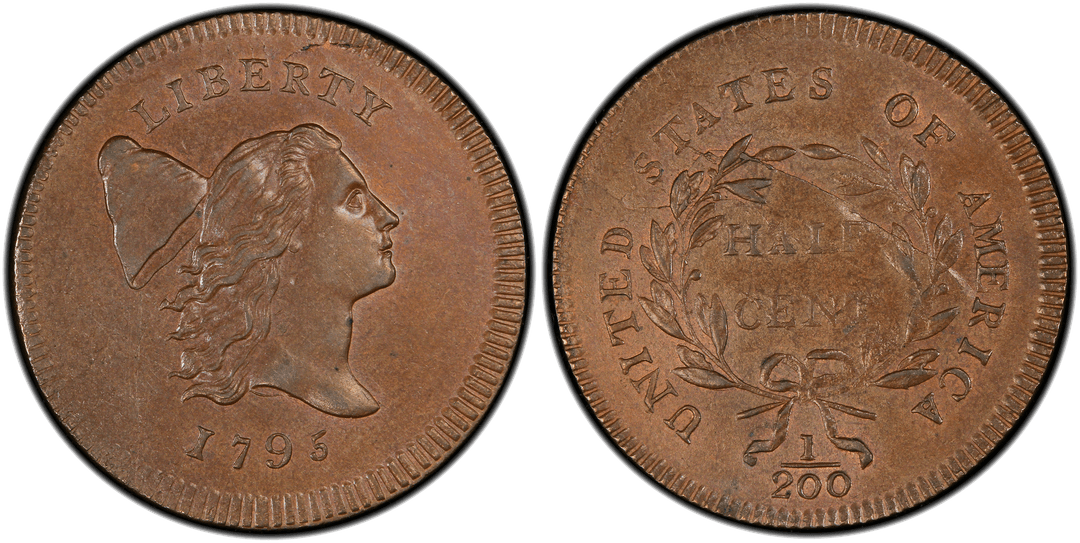
1795 Liberty Cap Right Half Cent (Plain Edge, No Pole) Unusual Die Crack
Unusual Die Crack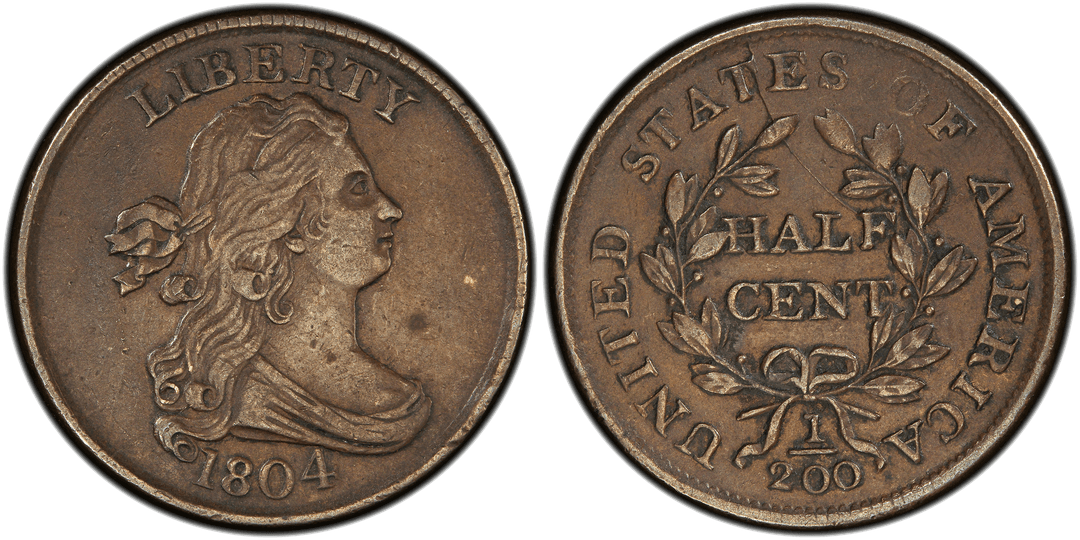
1804 Draped Bust Half Cent (Crosslet 4, Stems) Unusual Die Crack
Unusual Die Crack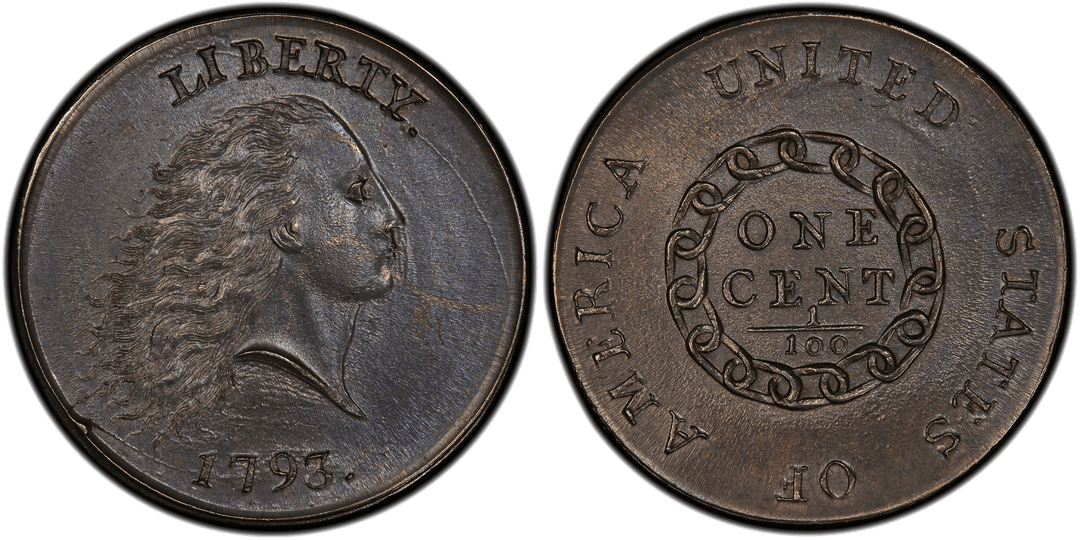
1793 Chain Cent (Periods Variety) Obverse Unusual Die Crack
Unusual Die Crack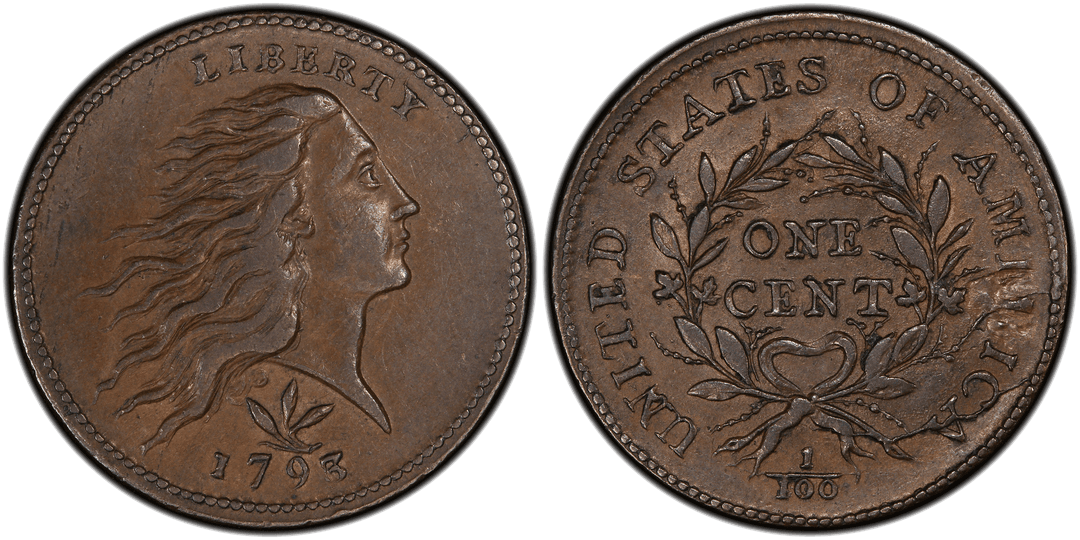
1793 Wreath Cent (Vine and Bars) Reverse Unusual Die Crack
Unusual Die CrackCollector Essentials
Tools for examining and preserving error coins and die varieties.
10x-20x Jeweler's Loupe
Essential for examining die varieties, doubled dies, and RPMs
Cherry Picker's Guide
The definitive reference for U.S. error coins and die varieties
2x2 Coin Flips & Holders
Protect and organize your finds with archival-quality holders
USB Digital Microscope
Capture detailed images for documentation and community submissions
As an Amazon Associate, NumisDex earns from qualifying purchases.