
Large Date vs. Small Date Cents: How to Tell (1960, 1970-S, 1982)
The Large Date / Small Date Distinction
Several years of Lincoln cents were produced with two different date sizes — one with larger, bolder numerals and another with smaller, thinner numerals. The difference was created by the Mint using different master hubs for the date, and in some years the scarcer version commands a significant premium. Learning to tell them apart is a worthwhile skill for any cent collector or coin roll hunter.
1960 Large Date vs. Small Date
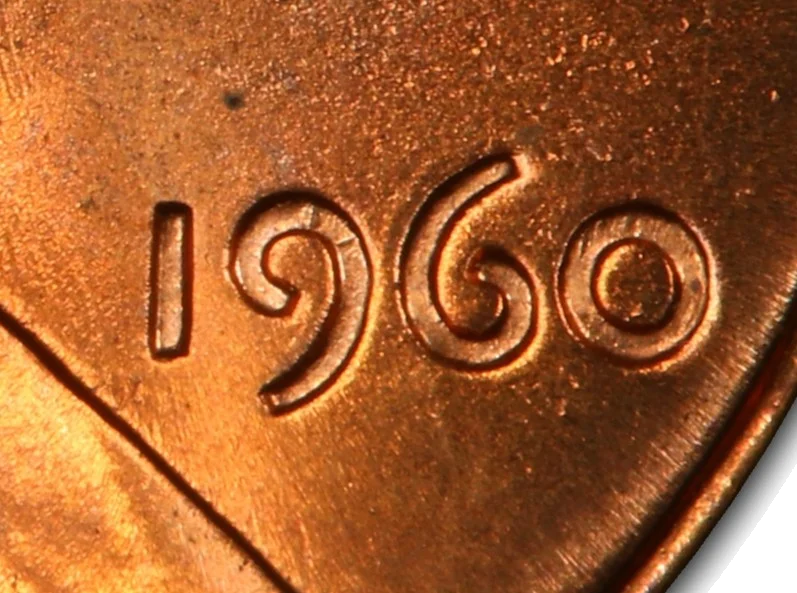
1960 Large Date — bolder numerals with a longer top serif on the "1"
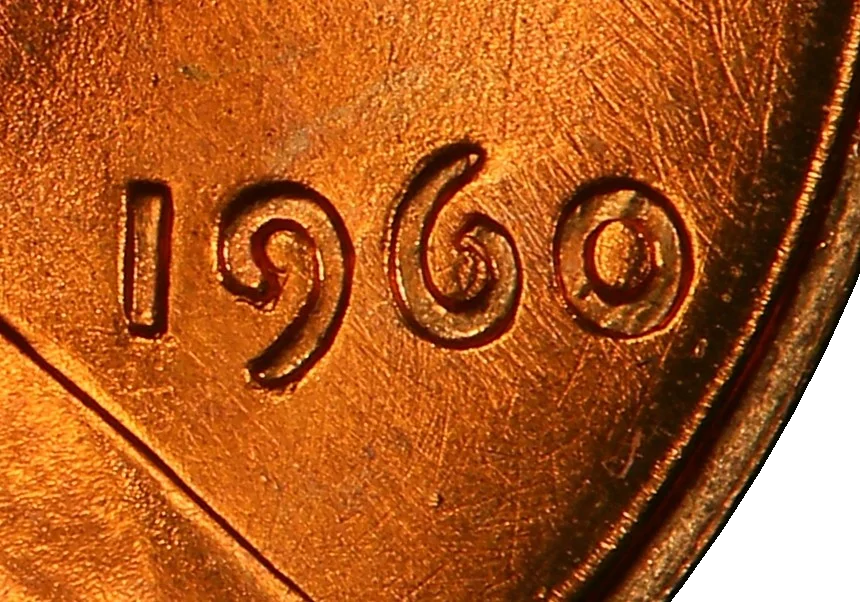
1960 Small Date — thinner, more compact numerals with a shorter serif on the "1"
The 1960 small date is the scarcer variety for both the Philadelphia and Denver mints. Key diagnostics:
- Numeral size — On the small date, all four digits are noticeably thinner and smaller than the large date
- The "1" — On the large date, the top serif of the "1" extends well to the left. On the small date, the top serif is shorter and more compact.
- The "0" — On the large date, the "0" is rounder and larger. On the small date, it's more oval and compact.
The 1960-P Small Date is the more valuable variety, though both P and D small dates carry a premium over their large date counterparts.
1970-S Large Date vs. Small Date
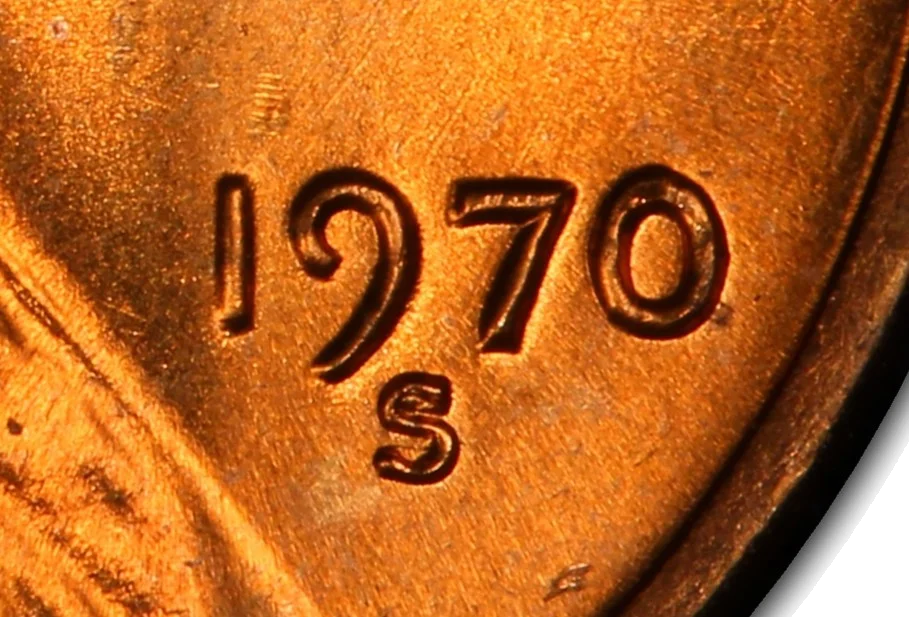
1970-S Large Date — top of the "7" is level with other digits
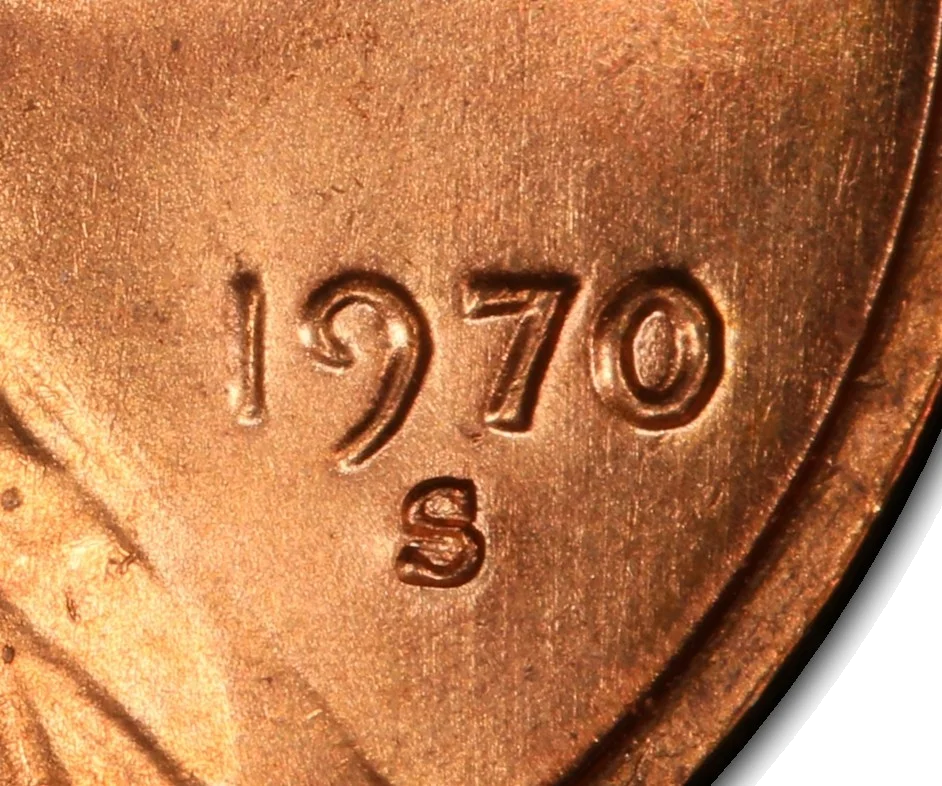
1970-S Small Date — "7" sits slightly lower, thinner numerals overall
The 1970-S small date is significantly rarer and more valuable than the large date. The key difference:
- The "7" — On the large date, the top of the "7" is level with the tops of the other digits. On the small date, the "7" is slightly lower.
- LIBERTY — On the small date, the top of the "7" aligns with the bottom of LIBERTY. On the large date, the "7" extends higher.
- Overall proportion — The small date digits are noticeably thinner and more delicate than the large date.
1982 Large Date vs. Small Date
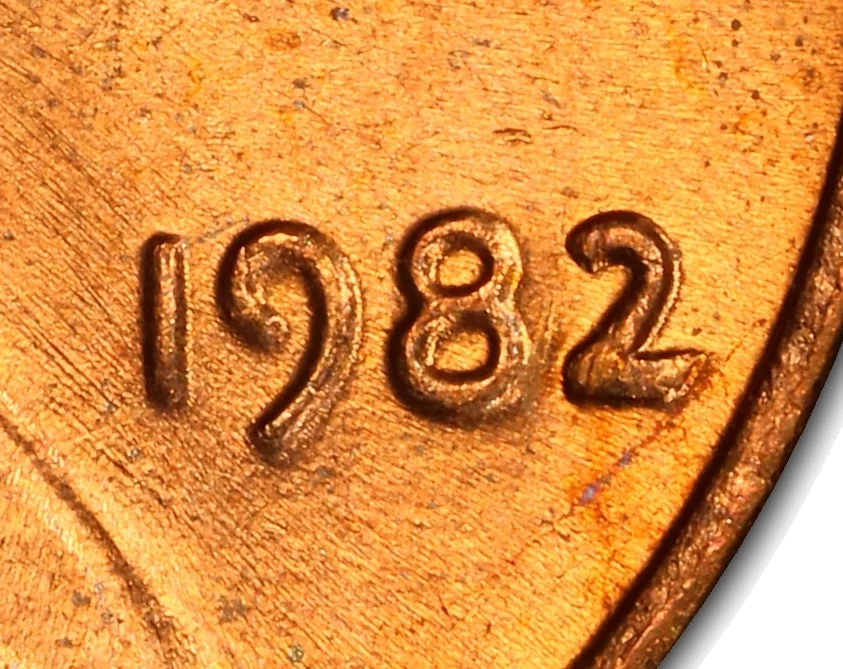
1982 Large Date — wider stroke width, bolder numerals
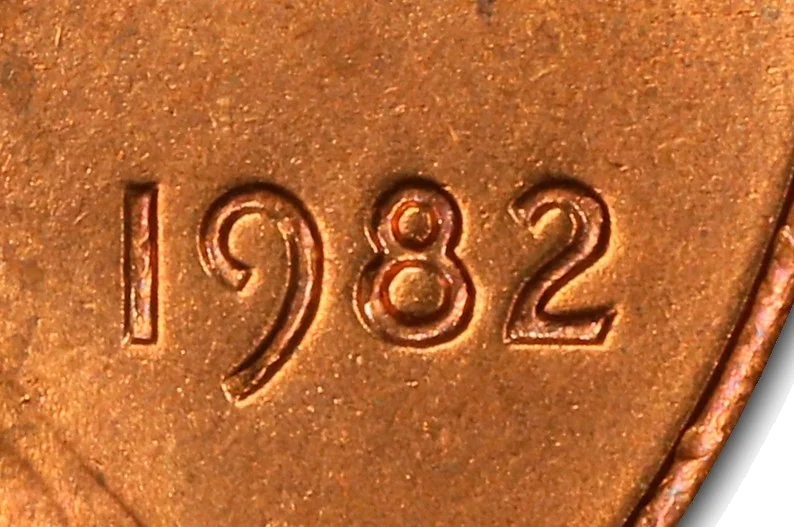
1982 Small Date — thinner, more delicate numerals
1982 is the most complex year for Lincoln cents — nine distinct strike types exist across two compositions (copper and zinc), two date sizes, two mints, and one proof. The date size distinction is the same as earlier years: the small date has thinner, more compact numerals. See our separate post on 1982 copper vs. zinc identification for the composition angle.
Tips for Checking
- Side-by-side comparison is the easiest method — place a known large date next to the coin you're examining
- The difference is most visible in the numerals' stroke width and overall proportions, not just size
- Use at least 3x magnification for confident identification, especially on worn coins
- All three years' small dates are found in circulation — check your pocket change and coin rolls
Explore in the NumisDex Catalog
Related varieties and errors from the NumisDex database:
0 Replies
Related Threads
- Top 10 Lincoln Cent Varieties You Can Still Find in Change0 replies · 3mo ago
- 1982-D Small Date Copper Cent: The Modern Rarity Nobody Knew Existed Until 20160 replies · 3mo ago
- Wheat vs. Memorial vs. Shield Reverse: Dating Lincoln Cents at a Glance0 replies · 3mo ago
- 1982 Lincoln Cents: How to Tell Copper from Zinc (and Find the Rare One)0 replies · 3mo ago
- Close AM vs. Wide AM Cents: How to Tell Which One You Have0 replies · 3mo ago