
Close AM vs. Wide AM Cents: How to Tell Which One You Have
The Close AM / Wide AM Lincoln Cent Varieties
One of the most popular modern Lincoln cent varieties involves the spacing between the letters A and M in "AMERICA" on the reverse. Depending on the year, your cent might be worth anywhere from one cent to several hundred dollars — and the difference comes down to a tiny gap between two letters.
What Are Close AM and Wide AM?
Starting in 1993, the U.S. Mint used slightly different reverse dies for business strikes (coins made for circulation) and proof strikes (collector coins). The difference was in the spacing of the letters A and M in AMERICA:
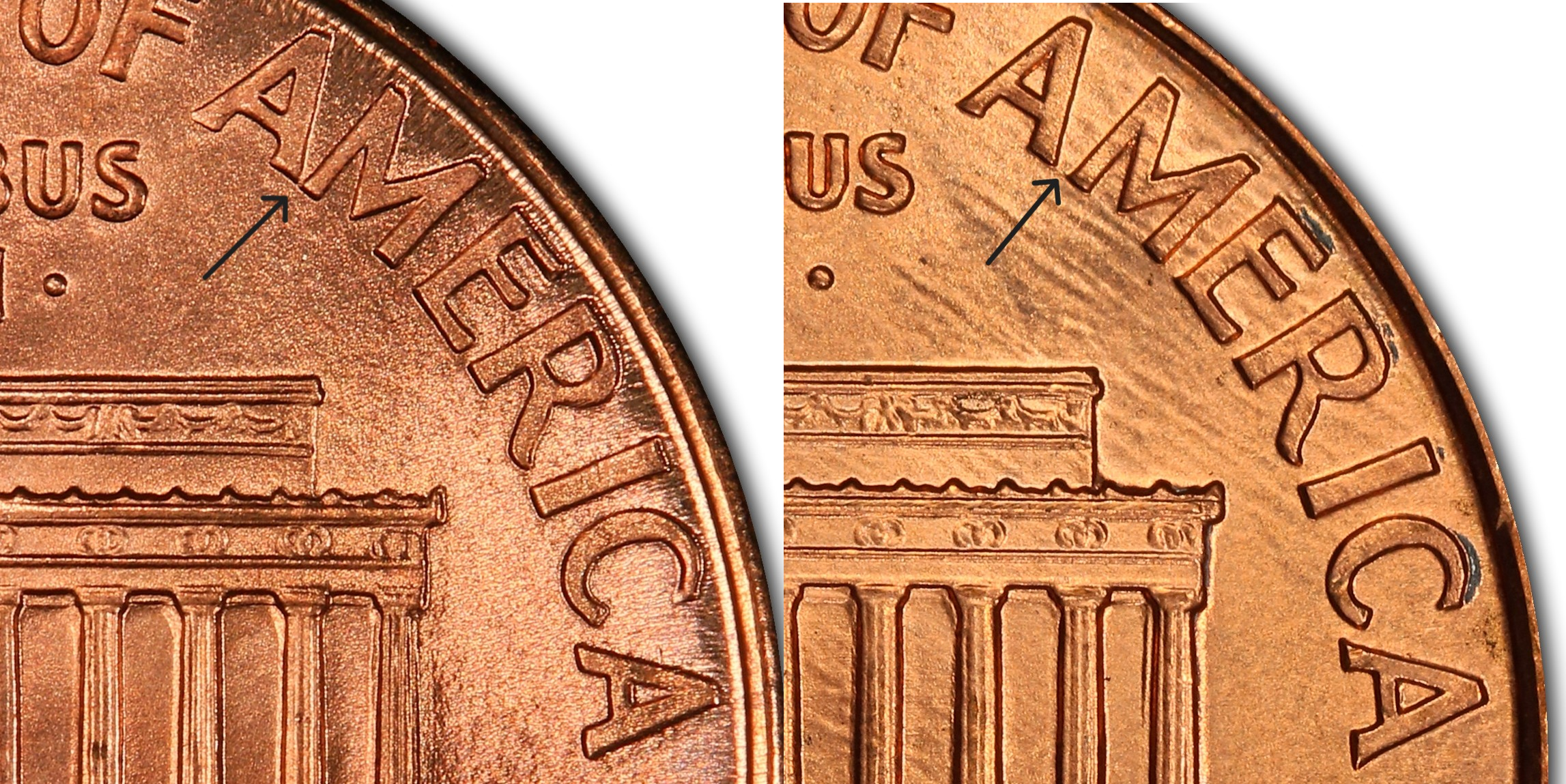
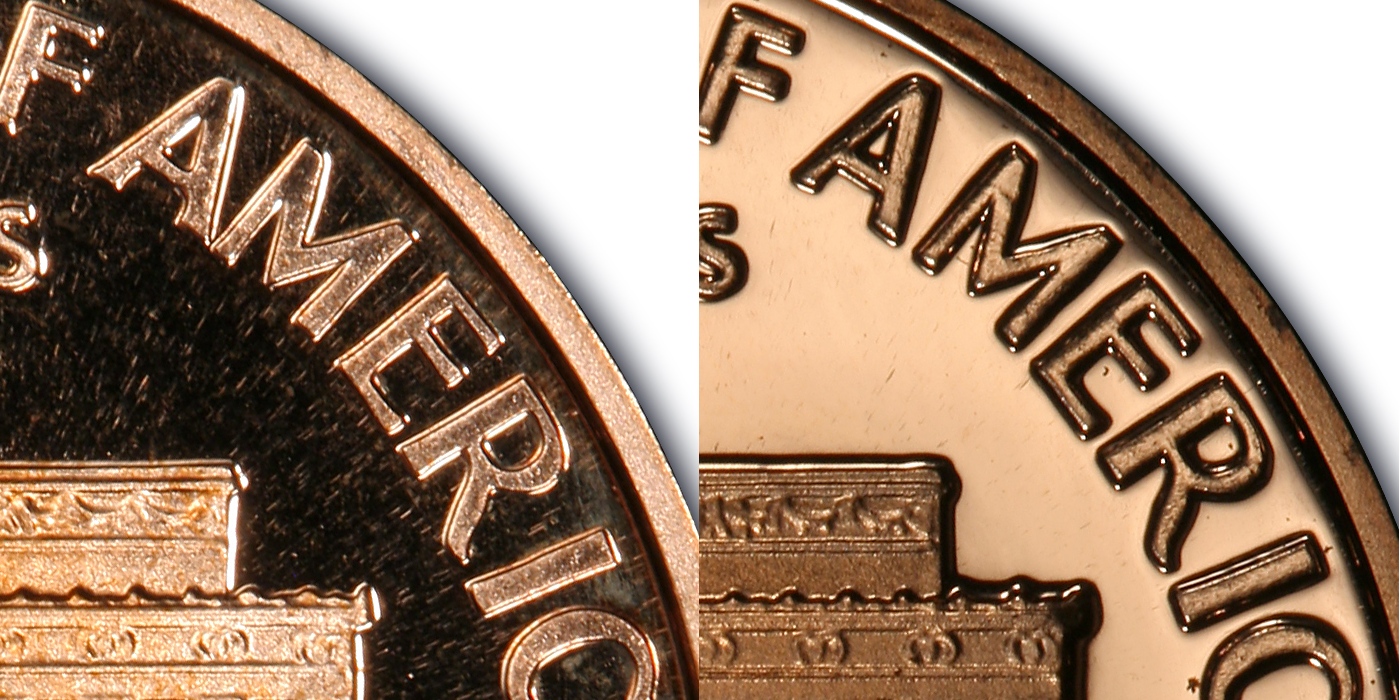
Close AM — The bases of the letters A and M nearly touch. This was the standard business strike reverse design from 1993 through 2008.
Wide AM — A clear gap exists between the bases of the A and M. This was the standard proof reverse design from 1994 through 2008.
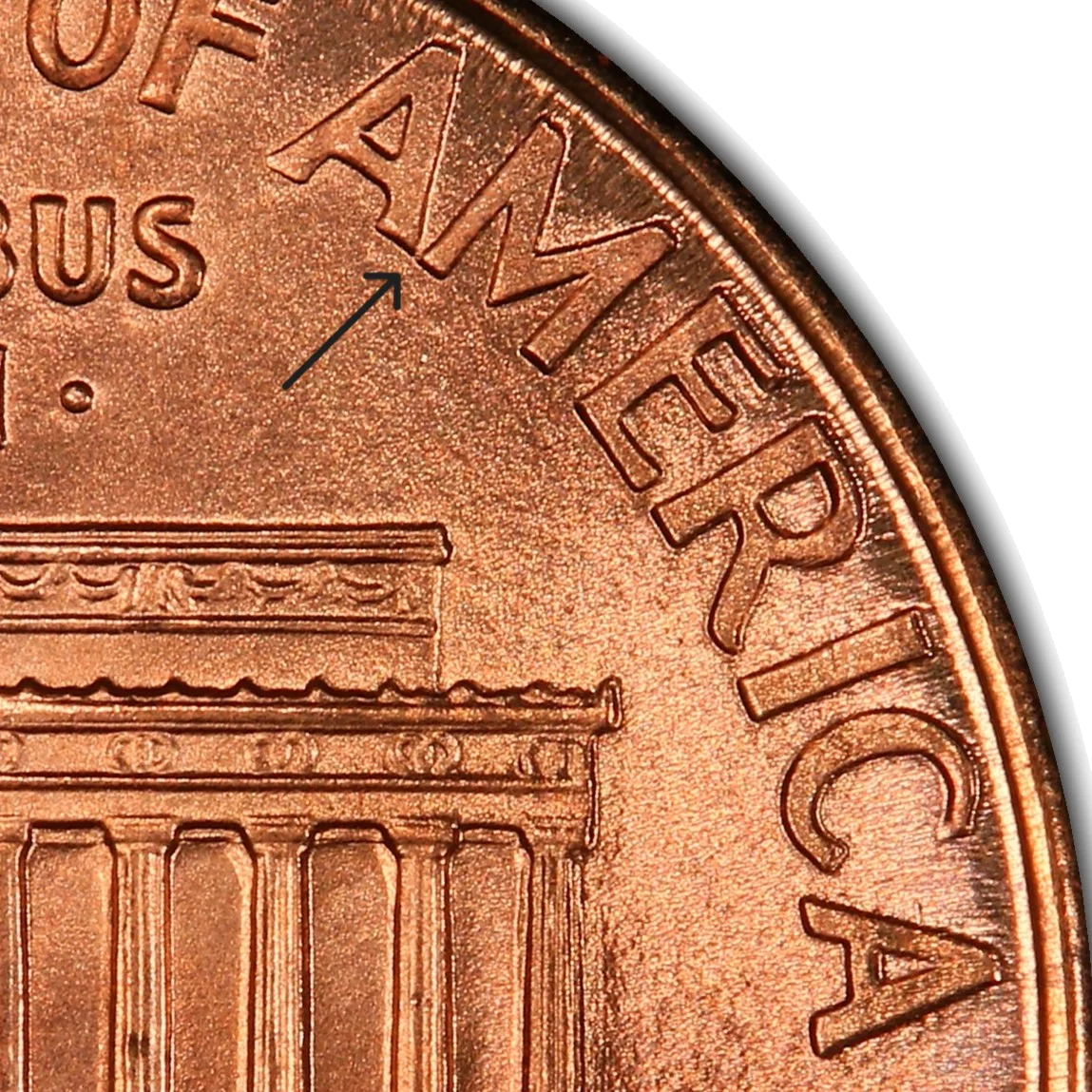
Close AM — the bases of A and M nearly touch (standard business strike reverse)
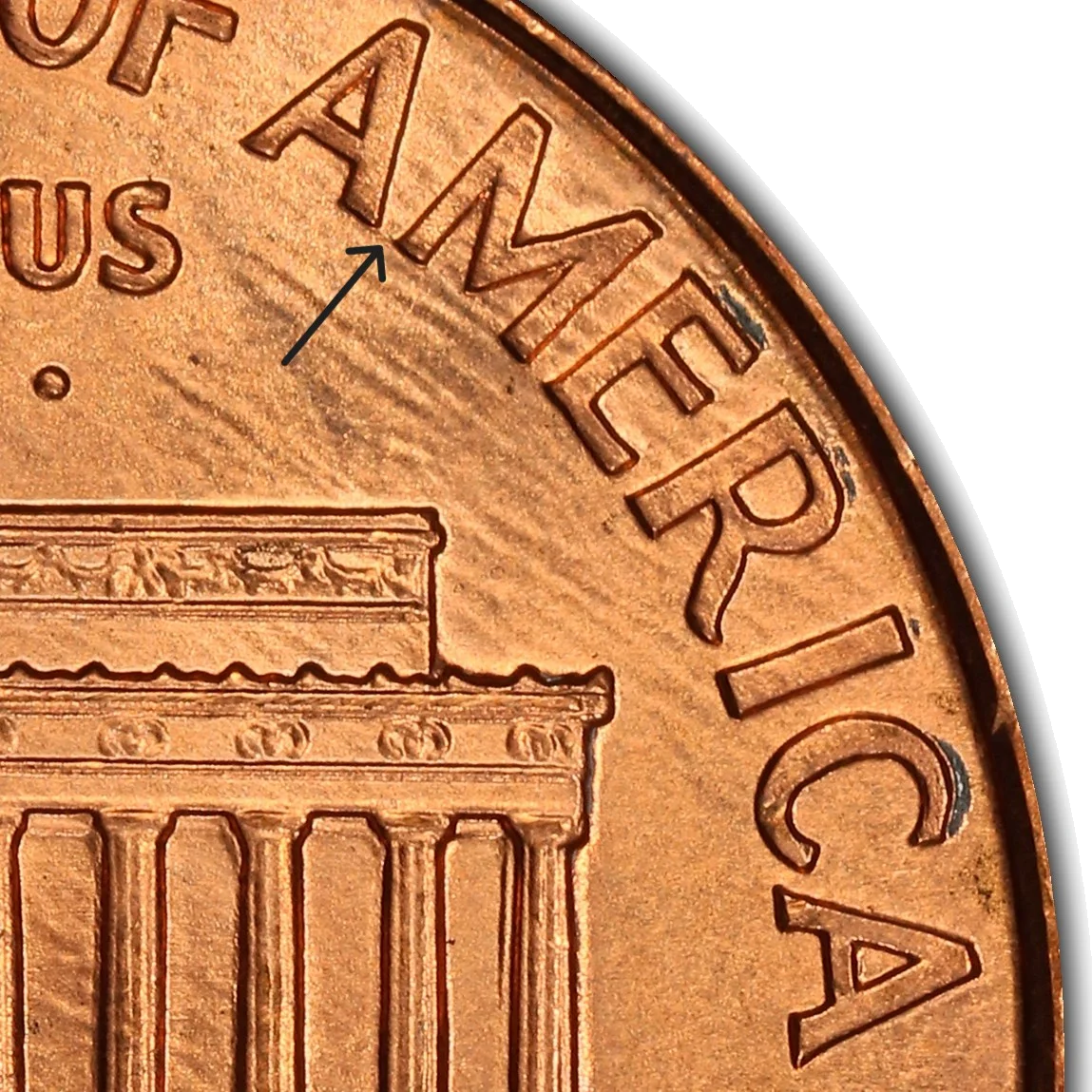
Wide AM — a clear gap between the bases of A and M (standard proof reverse)
Side-by-Side Comparison
Which Years Matter?
The valuable varieties are coins struck with the wrong reverse die — a business strike made with the proof die, or a proof made with the business strike die:
Business strikes with Wide AM (proof die used in error — valuable):
1998 Wide AM — The most common of the three Wide AM business strike errors, but still valuable.
1999 Wide AM — Scarce. The proof reverse die was accidentally used on business strike cents.
2000 Wide AM — Same type of die mix-up as 1998 and 1999 and on par with the 1998.
A normal 1998, 1999, or 2000 business strike cent has a Close AM — this is standard and carries no premium. You're looking for the unusual Wide AM (proof die) on these business strike dates.
Proofs with Close AM (business strike die used in error — valuable):
1998-S Close AM Proof — Rare. The business strike reverse die was mistakenly paired in proof production.
1999-S Close AM Proof — Rare. Same type of die mix-up as the 1998-S.
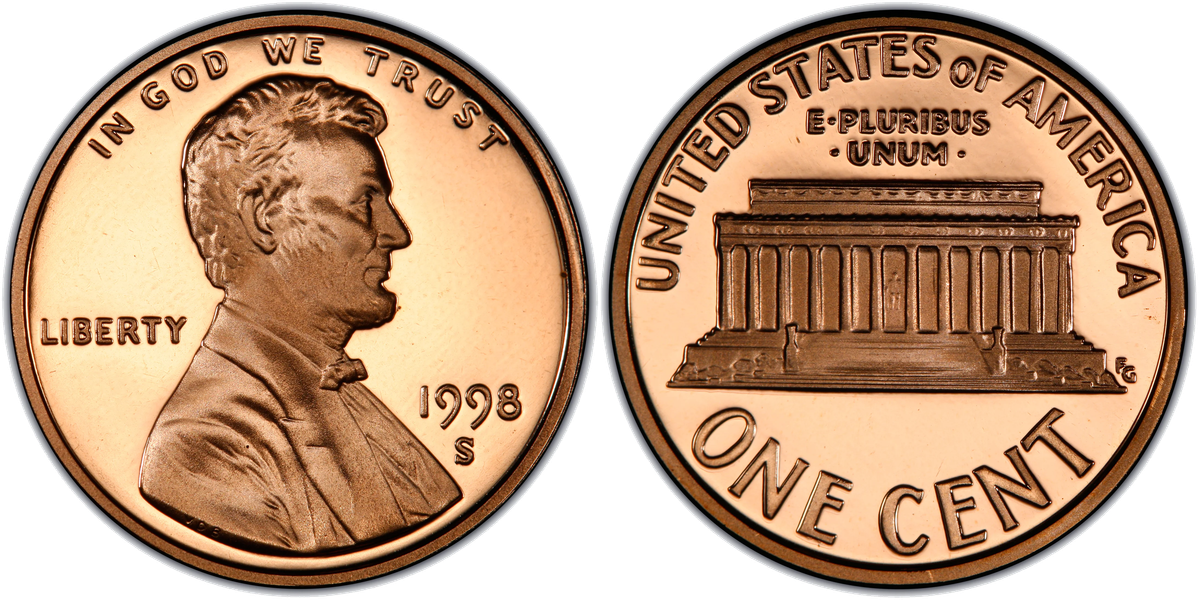
1998-S Close AM Proof — business strike die used in error on a proof (rare)
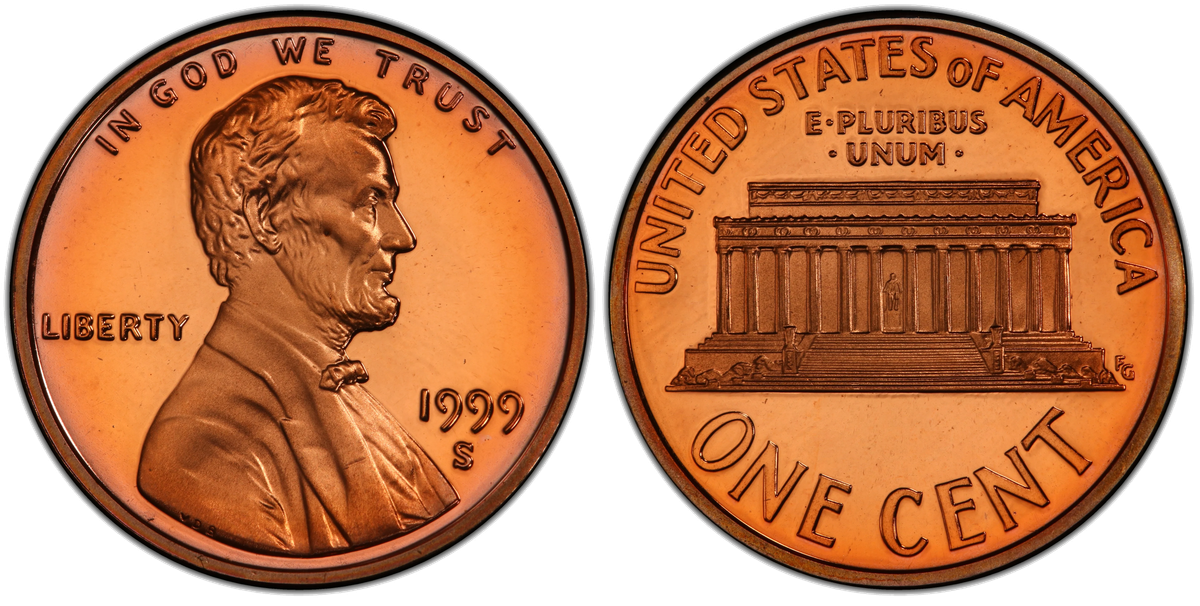
1999-S Close AM Proof — same type of die mix-up on 1999-S (rare)
A normal 1998-S or 1999-S proof cent has a Wide AM — which is standard for proofs. The rare error is finding a Close AM (business strike die) on these proof dates.
The 1992 Close AM — A Different Story
The 1992 Close AM variety is a separate and even rarer error. In 1992, business strike cents still used the Wide AM reverse design (the pre-1993 standard). However, the Mint accidentally used the new Close AM reverse die — which was intended to become the standard business strike die starting in 1993 — on some 1992 cents.
Both 1992-P and 1992-D Close AM cents exist and are extremely rare, with the 1992-P being among the rarest Lincoln cent varieties of the modern era. A second 1992-D die pair was later confirmed, but the total known population remains very small.
How to Check Your Coin
Flip the coin to the reverse (Lincoln Memorial side)
Look at the bottom of the Memorial where "UNITED STATES OF AMERICA" is inscribed
Focus on the letters A and M in AMERICA
Under magnification, check whether the bases of the A and M are nearly touching (Close AM) or clearly separated (Wide AM)
Know the standard for the year: 1992 business strikes should have Wide AM; 1998-2000 business strikes should have Close AM; proofs should have Wide AM
The difference is small but definitive once you see it. Use a 5x loupe for the clearest view.
Browse all Close AM and Wide AM varieties in the NumisDex catalog.
0 Replies
Related Threads
- Top 10 Lincoln Cent Varieties You Can Still Find in Change0 replies · 3mo ago
- 1982-D Small Date Copper Cent: The Modern Rarity Nobody Knew Existed Until 20160 replies · 3mo ago
- Wheat vs. Memorial vs. Shield Reverse: Dating Lincoln Cents at a Glance0 replies · 3mo ago
- 1982 Lincoln Cents: How to Tell Copper from Zinc (and Find the Rare One)0 replies · 3mo ago
- Large Date vs. Small Date Cents: How to Tell (1960, 1970-S, 1982)0 replies · 3mo ago