
Buffalo Nickel Date Restoration: The Nic-A-Date Debate
Dateless Buffalo Nickels: To Restore or Not?
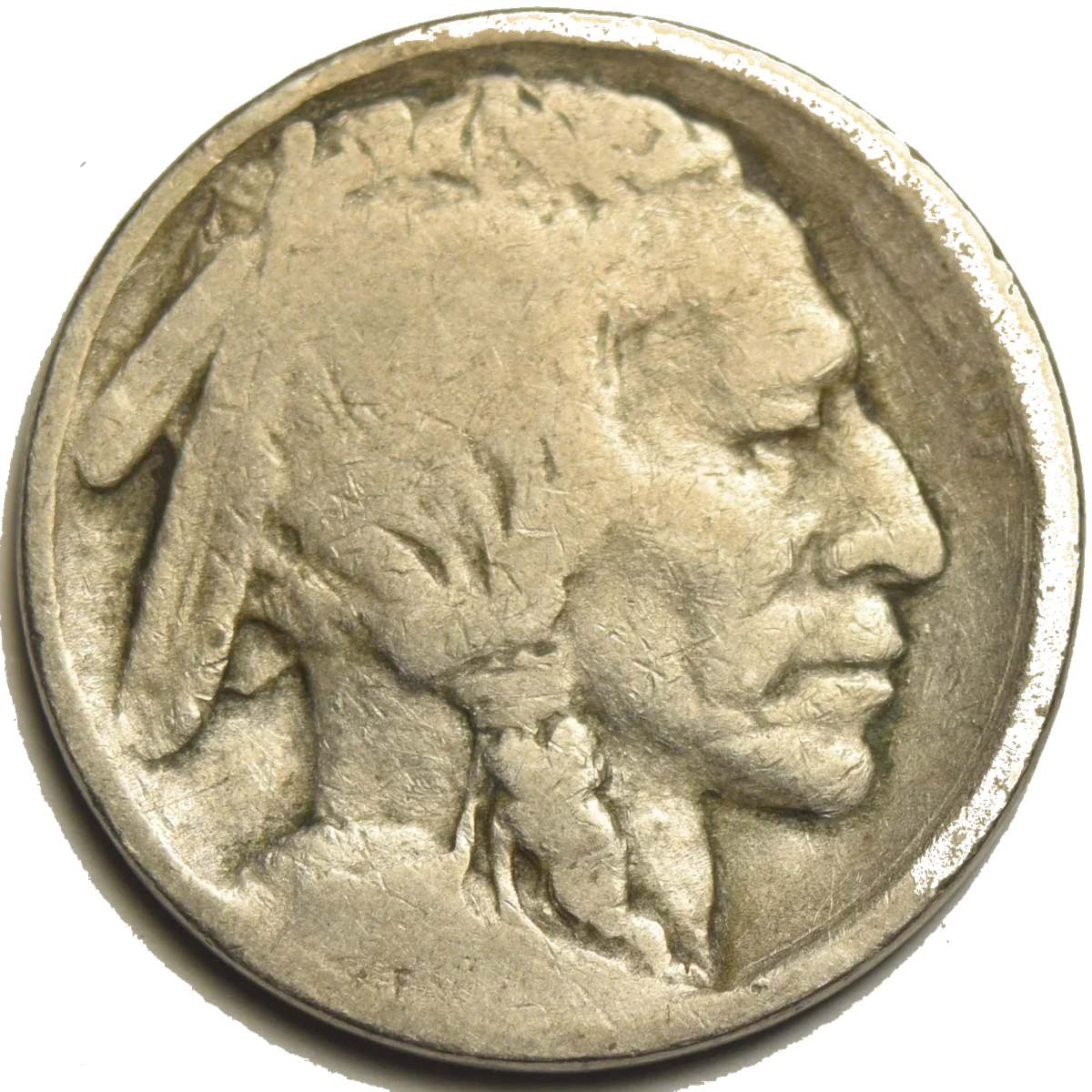
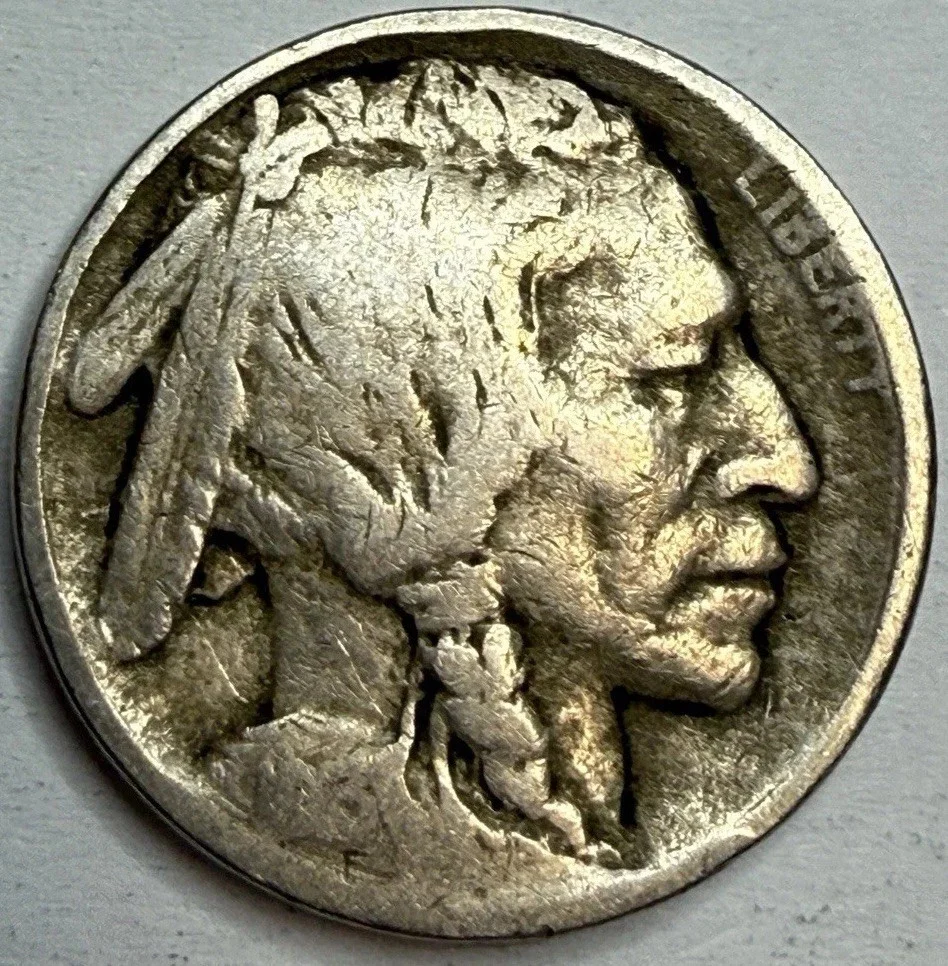
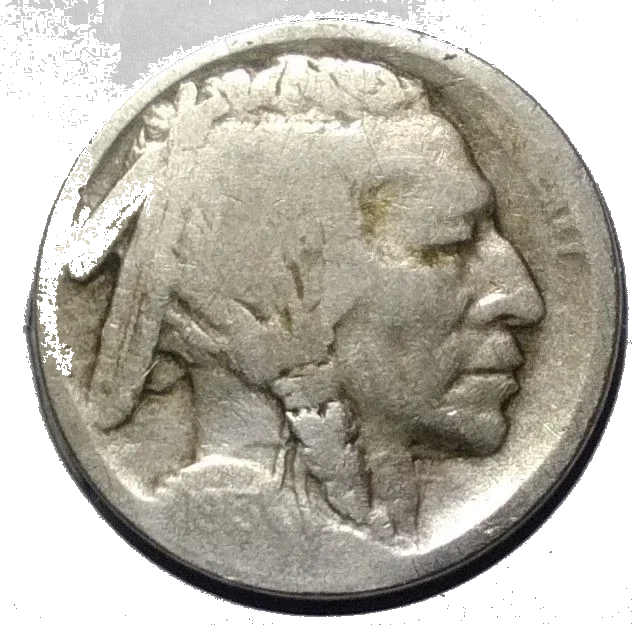
The Buffalo nickel (also called the Indian Head nickel) has a design flaw that drives collectors crazy: the date sits on a raised platform on the obverse that is the highest point of the coin. As the coin circulates, the date wears away first — often becoming completely unreadable while the rest of the design is still identifiable. The result is millions of "dateless" Buffalo nickels with no visible date.
What Is Nic-A-Date?
Nic-A-Date is a mild acid solution sold by Nic-A-Date (formerly manufactured by several companies) that can reveal the date on a dateless Buffalo nickel by chemically etching the coin's surface. The acid reacts differently with the areas that were protected by the date's raised metal (even after the date has worn smooth), allowing the ghost of the date to become visible.
How It Works
- A small amount of the acid solution is applied to the date area
- The acid etches the surrounding metal more aggressively than the area where the date was
- After a brief reaction time, the coin is rinsed and neutralized
- The date appears as a slightly raised or differently colored area against the etched background
The Debate: Should You Do It?
The numismatic community is divided on Nic-A-Date treatment:
Arguments in favor:
- A dateless Buffalo nickel is worth about 25-50 cents. If the revealed date turns out to be a key date (1913-S Type 2, 1918/7-D, 1921-S, 1926-S), the coin could be worth significantly more even in damaged condition.
- It satisfies curiosity — knowing the date has educational and historical value.
- For date collectors building a low-budget set, it's a way to fill holes inexpensively.
Arguments against:
- It's permanent damage. The acid etches the coin's surface, leaving it visibly altered. The coin will never be accepted for straight grading by PCGS or NGC. It will receive a "Details — Acid Treated" designation at best.
- Even key dates lose most of their value. A 1926-S Buffalo nickel in Good condition might be worth $50-100, but a Nic-A-Date treated example might bring only $5-15. The market strongly discounts acid-treated coins.
- Most dateless Buffalos are common dates. Statistically, the overwhelming majority of dateless Buffalo nickels are common dates (1920s-1930s Philadelphia and Denver issues with high mintages). The chance of revealing a key date is low.
Alternative: Angled Light
Before resorting to acid, try examining the date area under strong angled light. Position a bright light source at a very low angle to the coin's surface and slowly rotate the coin. Sometimes the ghost of the date is visible in reflected light without any chemical treatment — especially on coins where the date is merely weak rather than completely gone.
The Bottom Line
If you have a dateless Buffalo nickel worth 25-50 cents and you want to know the date for fun, Nic-A-Date is a low-stakes experiment. But if you suspect you might have a valuable coin, explore non-destructive methods first and consult with experienced collectors before making an irreversible decision.
Explore in the NumisDex Catalog
Related varieties and errors from the NumisDex database:
0 Replies
Related Threads
- The Four Designs of the U.S. Five-Cent Piece — A Collector’s Guide0 replies · 2mo ago
- The Buffalo Nickel’s Recurring Factory Defect — From Two Feathers to Three Legs0 replies · 2mo ago
- Top 10 Jefferson Nickel Varieties Worth Cherry-Picking0 replies · 3mo ago
- Full Steps Jefferson Nickels: How to Judge 5FS vs. 6FS0 replies · 3mo ago
- 2005 Speared Bison Jefferson Nickel: Die Gouge or Post-Mint Scratch?0 replies · 3mo ago