
Wrong Planchet Errors: How to Tell If Your Coin Is Struck on the Wrong Blank
WPLWrong Planchet Errors: Among the Most Dramatic Mint Errors
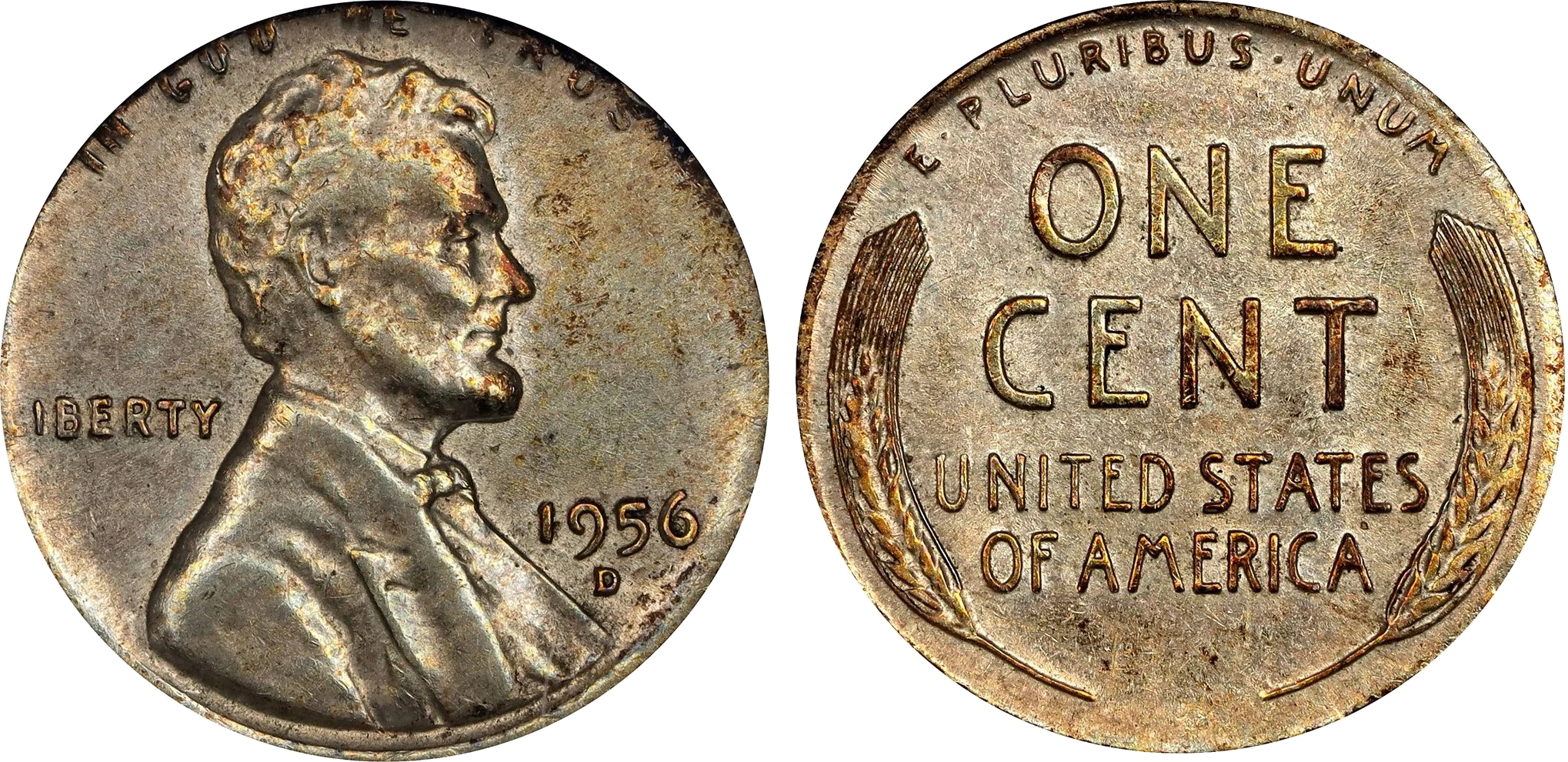
A wrong planchet error (also called an off-metal error) occurs when a coin is struck on a planchet intended for a different denomination — or in rare cases, on a foreign planchet that found its way into the coining press. The result is a coin with the correct design but the wrong size, weight, or metal composition.
These errors are among the most visually striking and valuable mint errors because the mismatch is immediately obvious.
How Wrong Planchet Errors Happen
The U.S. Mint produces planchets for multiple denominations in the same facility. Planchets are fed into coining presses through automated hoppers. If a planchet from one denomination gets mixed into the hopper for a different denomination, it will be struck by whatever dies are in that press.
Common wrong planchet combinations include:
- Cent struck on dime planchet (smaller and silver-colored)
- Dime struck on cent planchet (larger and copper-colored)
- Nickel struck on cent planchet
- Quarter struck on nickel planchet
- State quarter struck on Sacagawea dollar planchet (golden color)
How to Identify a Wrong Planchet Error
Size and weight are the primary diagnostics:
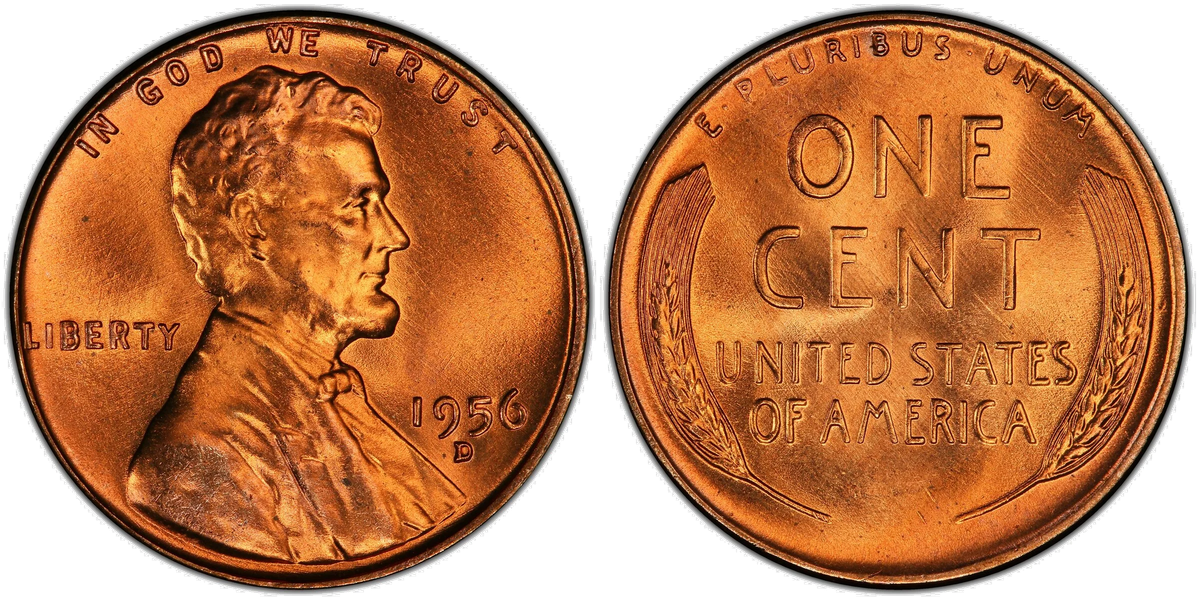
- Weigh the coin — A coin struck on a wrong planchet will weigh the same as the denomination whose planchet it used, not the denomination whose design it bears. A cent struck on a dime planchet will weigh 2.27g (dime weight), not 2.5g (cent weight).
- Measure the diameter — The coin will be the diameter of the wrong planchet. A cent on a dime planchet will be 17.9mm instead of 19mm.
- Check the metal — Color and composition will match the wrong planchet. A cent struck on a dime planchet will be silver-colored clad, not copper-plated zinc.
- Design coverage — If the wrong planchet is smaller than the intended one, part of the design will be missing because the planchet couldn't reach the full die surface.
Don't Confuse With
- Plated coins — Coins plated after minting (science projects, carnival prizes) are not mint errors
- Damaged coins — Coins that have been altered, filed down, or otherwise modified post-mint
- Foreign coins — Sometimes a foreign coin of similar size is mistaken for a wrong planchet error
A precision scale (0.01g accuracy) is the most reliable tool for confirming a wrong planchet error. If the weight matches a different denomination's planchet, you likely have a genuine error.
Explore wrong planchet errors in the NumisDex catalog.
0 Replies
Related Threads
- Wrong Planchet Errors: When a Coin Gets Struck on the Wrong Metal0 replies · 1mo ago
- Lamination Error vs. Environmental Damage: How to Tell3 replies · 3w ago
- Split Planchets: When a Coin Breaks in Half (And Why the Other Half Might Be Out There)0 replies · 3mo ago
- Wrong Planchet Errors: When a Coin Gets the Wrong Body0 replies · 4mo ago