
Is Your 1972 Cent a Real Doubled Die? How to Check the Obverse
DDOThe 1972 Doubled Die Obverse: A Popular and Affordable Classic
The 1972 DDO is one of the strongest doubled dies in the Lincoln cent series and one of the most popular varieties among collectors. Unlike the 1955 and 1969-S doubled dies that command five-figure prices, the 1972 DDO remains accessible — making it an ideal variety for collectors at any level.
But there's a catch: the 1972 Philadelphia mintage produced billions of cents, and machine doubling is extremely common on this date. Knowing what genuine hub doubling looks like versus worthless strike doubling is essential.
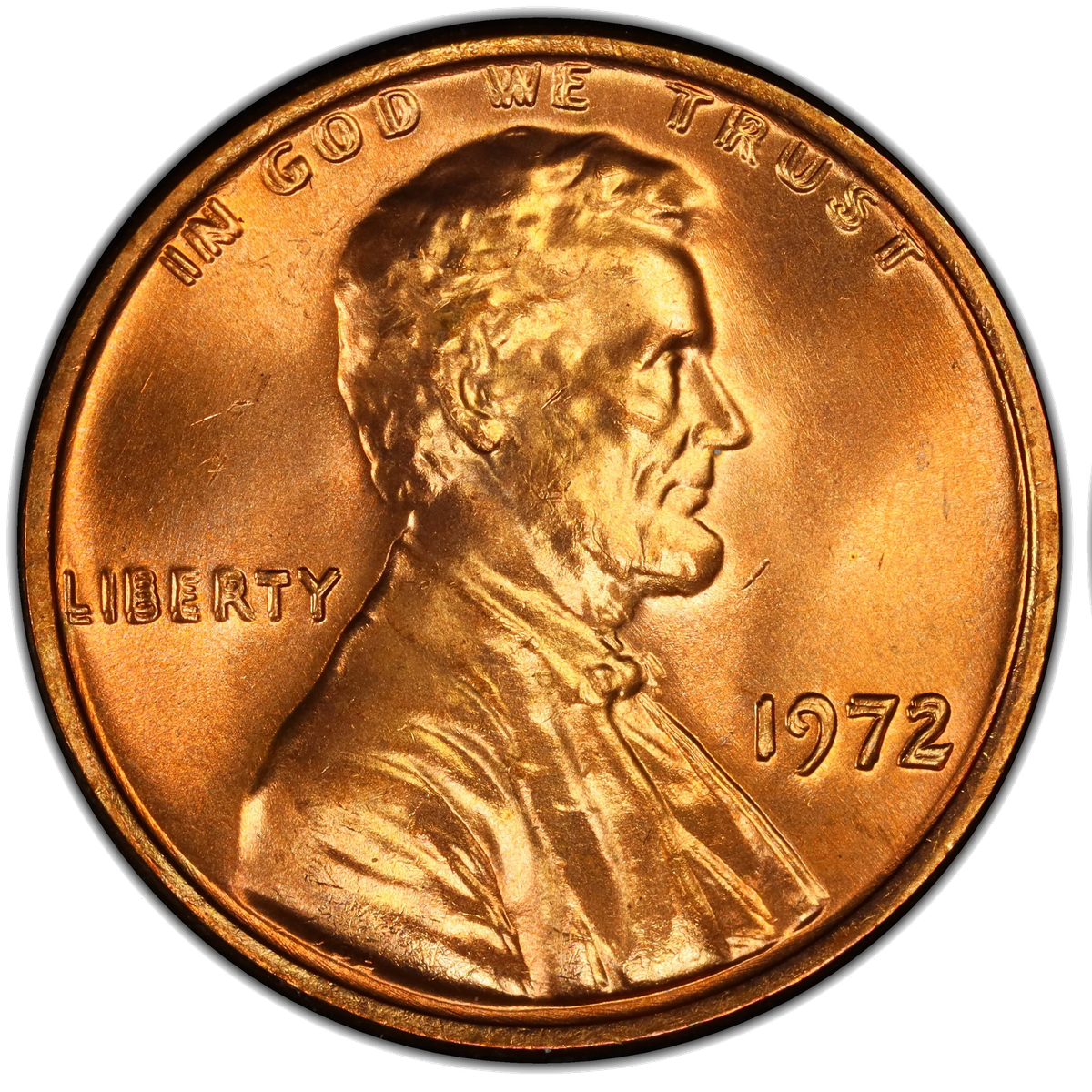
Identifying the Genuine 1972 DDO
The 1972 DDO is a Class I rotated hub doubling — the same type as the 1955 and 1969-S. The doubling is strong enough to see without magnification once you know where to look.
Key diagnostic areas:
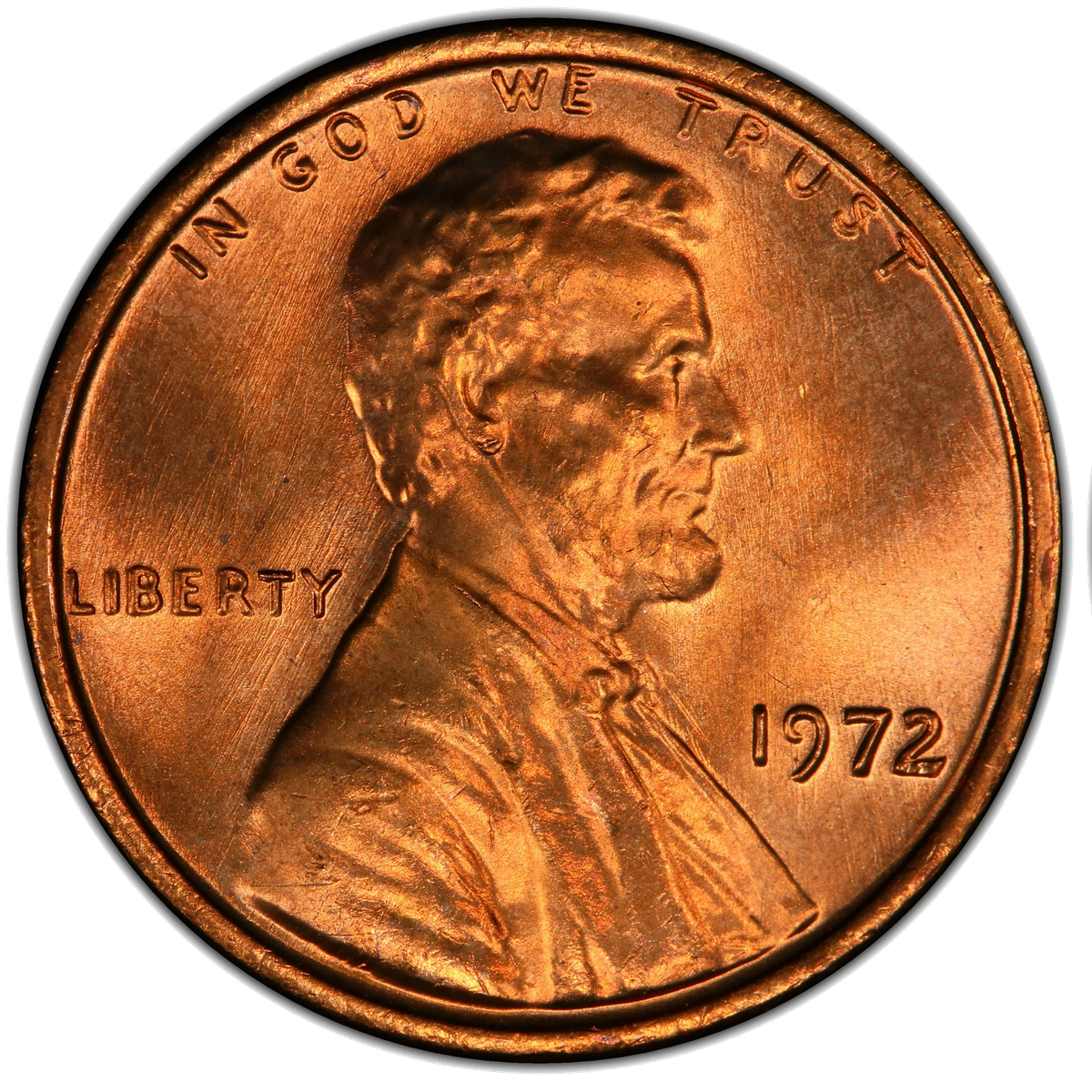
LIBERTY — This is the strongest area of doubling and the first place to check. Look for complete secondary lettering below and to the left of the primary letters. Each letter in LIBERTY should show a clear, fully formed second impression.
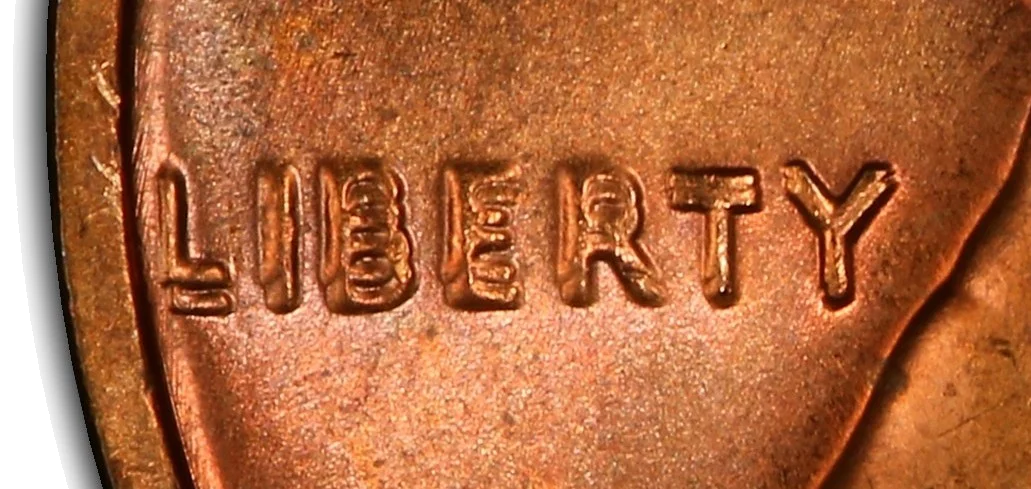
LIBERTY — fully formed secondary lettering below and to the left of primary letters
IN GOD WE TRUST — Strong doubling visible across the entire motto. The doubling on "IN GOD WE TRUST" is particularly striking, with the secondary image clearly separated from the primary.
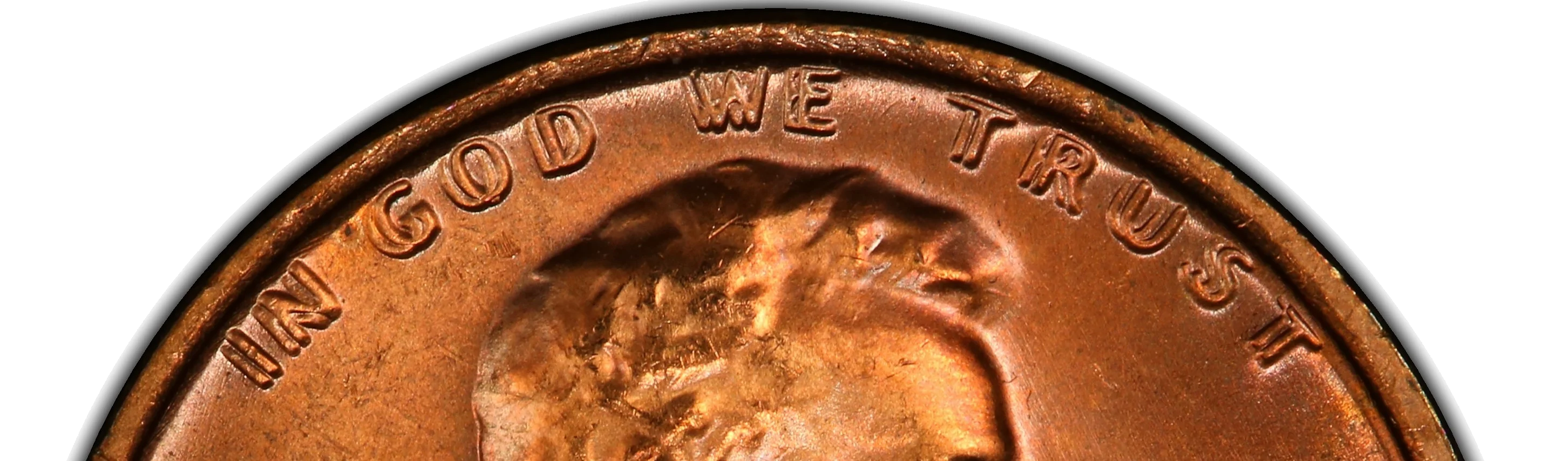
IN GOD WE TRUST — secondary image clearly separated from primary
Date (1972) — All four digits show clear doubling with distinct separation between primary and secondary images.
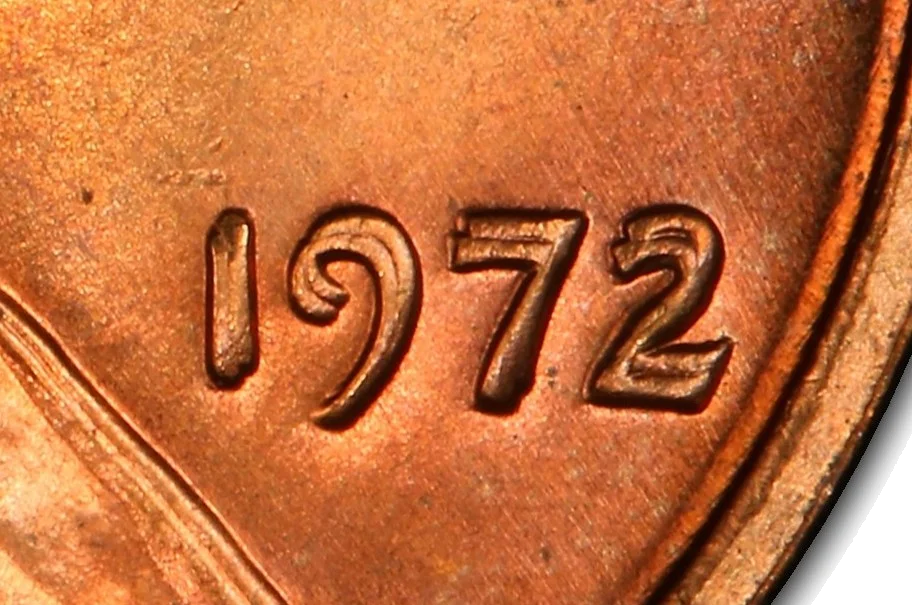
Date — all four digits show distinct separation between doubled images
1972 DDO vs. Normal 1972 Cent
The difference between a genuine 1972 DDO and a normal 1972 cent is dramatic when you know what to look for. A normal 1972 cent shows crisp, single impressions of all design elements.
What About Machine Doubling?
Machine-doubled 1972 cents are extremely common. The flat, shelf-like appearance of machine doubling is fundamentally different from the rounded, fully formed secondary impressions of a genuine doubled die. On a machine-doubled coin, the "doubling" looks like the letters were smeared or pushed — not like they were struck twice from a complete design.
If the doubling you see looks flat, shelf-like, or affects the entire coin uniformly, it's almost certainly machine doubling and has no premium value.
Multiple Die Pairs
It's worth noting that there are actually multiple doubled die varieties for 1972 cents. The most valuable is the "strong" DDO described above (Wexler WDDO-001), but several lesser doubled dies exist with more subtle doubling. Check the NumisDex catalog to compare your coin against all known 1972 doubled die varieties.
Value Range
A genuine 1972 DDO (WDDO-001) typically trades from $100-300 in circulated grades to $500-2,000+ in Mint State, depending on grade and eye appeal. This makes it one of the most collectible and affordable major doubled dies in the series.
0 Replies
Related Threads
- 1995 Doubled Die Cent: How to Confirm the Doubling on LIBERTY0 replies · 3mo ago
- 1969-S Doubled Die Obverse: How to Identify vs. Worthless Look-Alikes0 replies · 3mo ago
- Not All Doubled Dies Are Created Equal: The Three Levels of Doubling Most Collectors Don't Know About0 replies · 3mo ago
- Machine Doubling vs. True Doubled Die: Can You Tell?0 replies · 4mo ago
- The Most Famous Doubled Die: 1955 Lincoln Cent DDO0 replies · 4mo ago