
1969-S Doubled Die Obverse: How to Identify vs. Worthless Look-Alikes
DDOThe 1969-S DDO: One of the Rarest Lincoln Cent Errors
The 1969-S Doubled Die Obverse is one of the most dramatic and valuable Lincoln cent errors ever produced. With values exceeding $60,000 in Mint State, it rivals the famous 1955 DDO in both visual impact and collector demand. But for every genuine 1969-S DDO, hundreds of machine-doubled 1969-S cents are misidentified as the real thing.
This guide will show you exactly what to look for — and how to avoid the common mistakes that trip up new collectors.
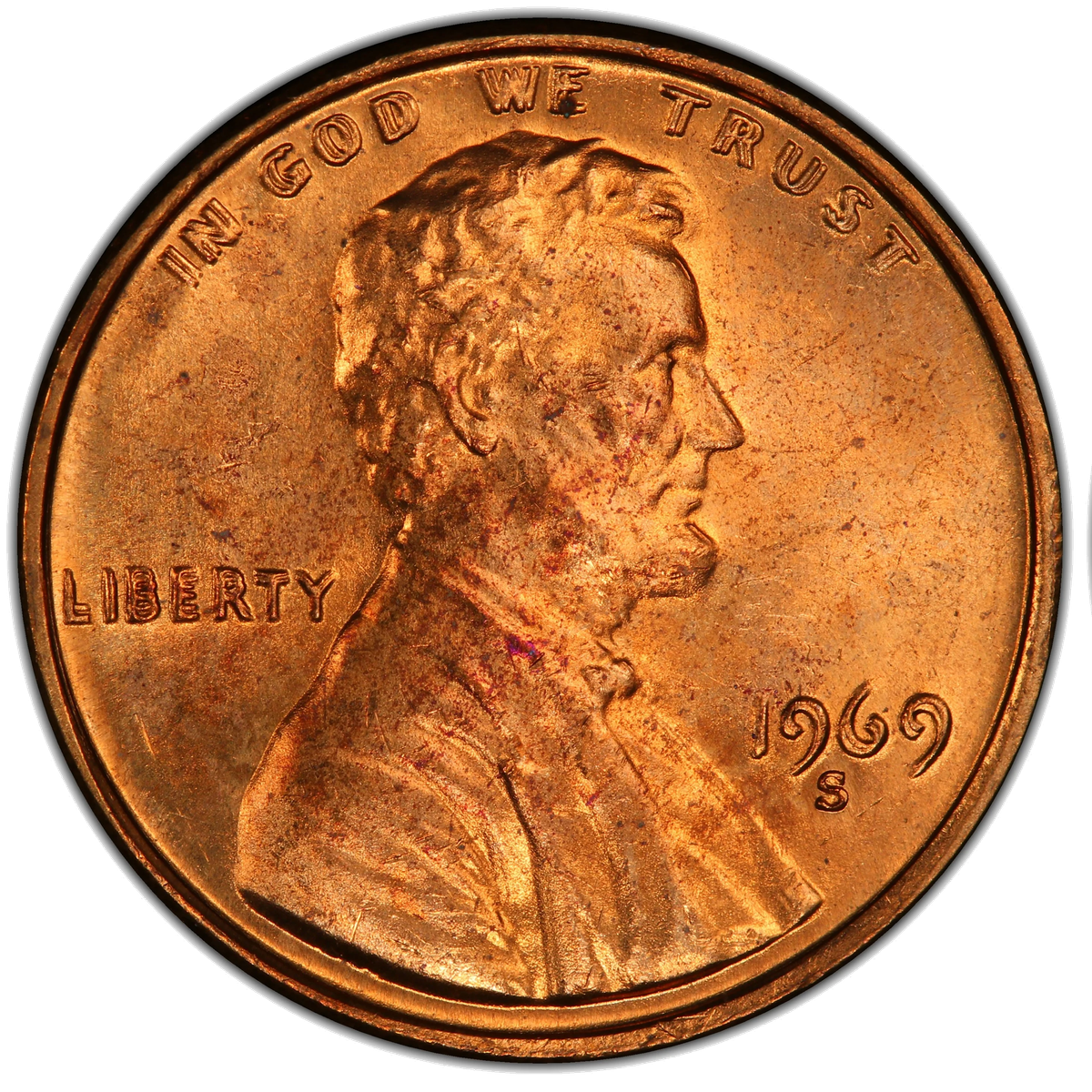
What Makes the 1969-S DDO Special
The doubling on a genuine 1969-S DDO is strong enough to see without magnification. It's a Class I rotated hub doubling, meaning the working hub rotated slightly between impressions when the die was being made. This produced a die with dramatic doubling across the entire obverse — every coin struck from that die shows the same doubling in the same positions.
Key diagnostic areas:
- LIBERTY — Heavy separation between primary and secondary images. Each letter shows a clear, fully formed second impression.
- IN GOD WE TRUST — Strong doubling visible on all letters, particularly the "IN" and "WE."
- Date (1969) — Clear doubling on all four digits with distinct separation.
- S mint mark — The mint mark was punched separately and does NOT show doubling. This is an important authentication point.
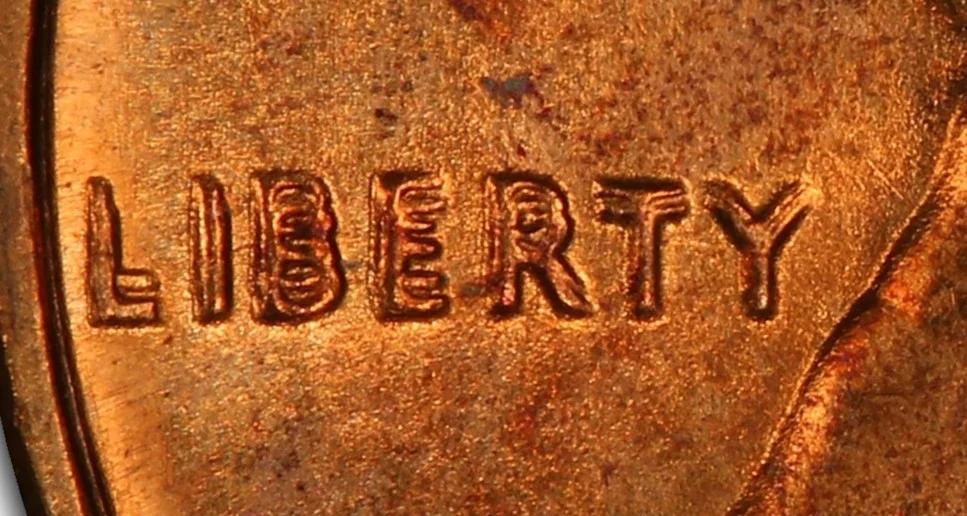
LIBERTY — heavy separation between primary and secondary impressions
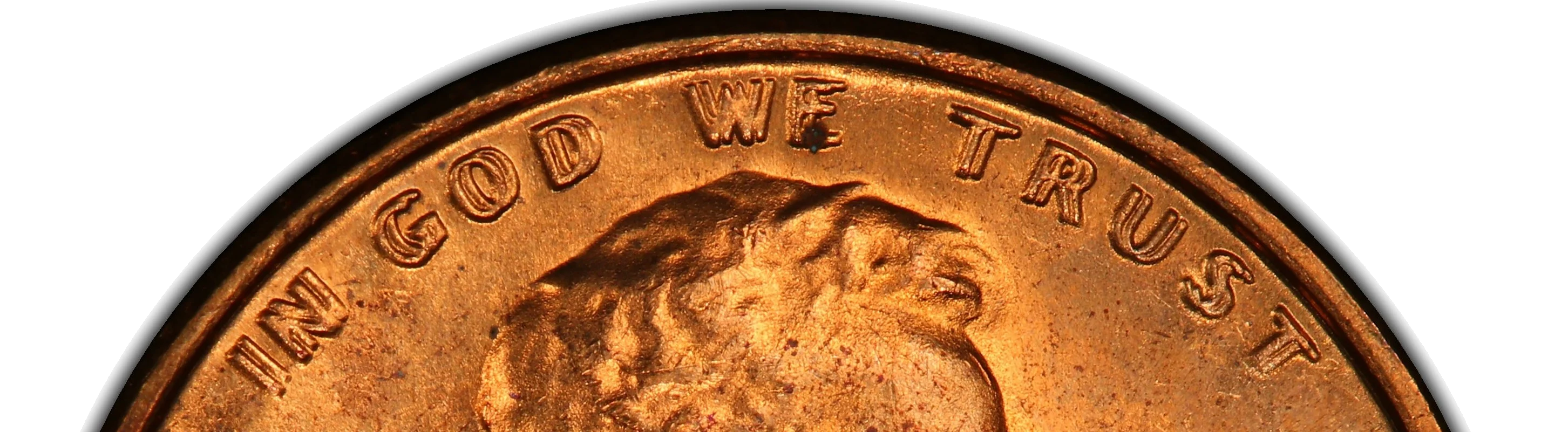
IN GOD WE TRUST — strong doubling visible across all letters
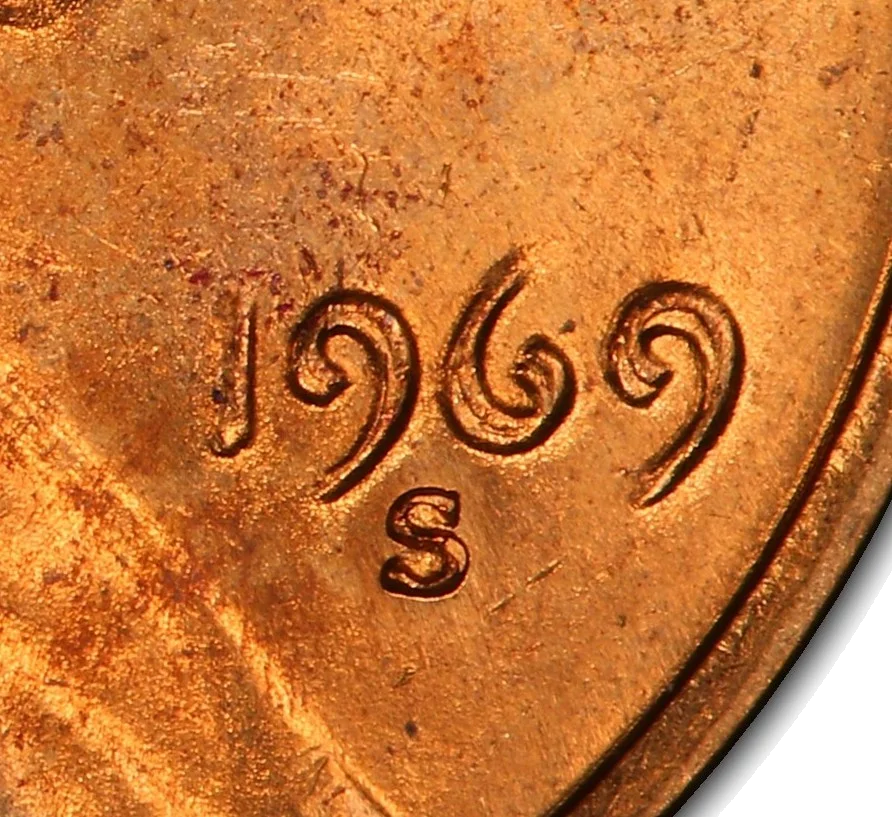
Date — clear doubling on all four digits with distinct separation
The Worthless Look-Alikes: Machine Doubling
Machine doubling (also called mechanical doubling or strike doubling) is the most common reason collectors mistakenly believe they have a 1969-S DDO. Machine doubling occurs during the striking process — not the die-making process — and has no significant collector value.
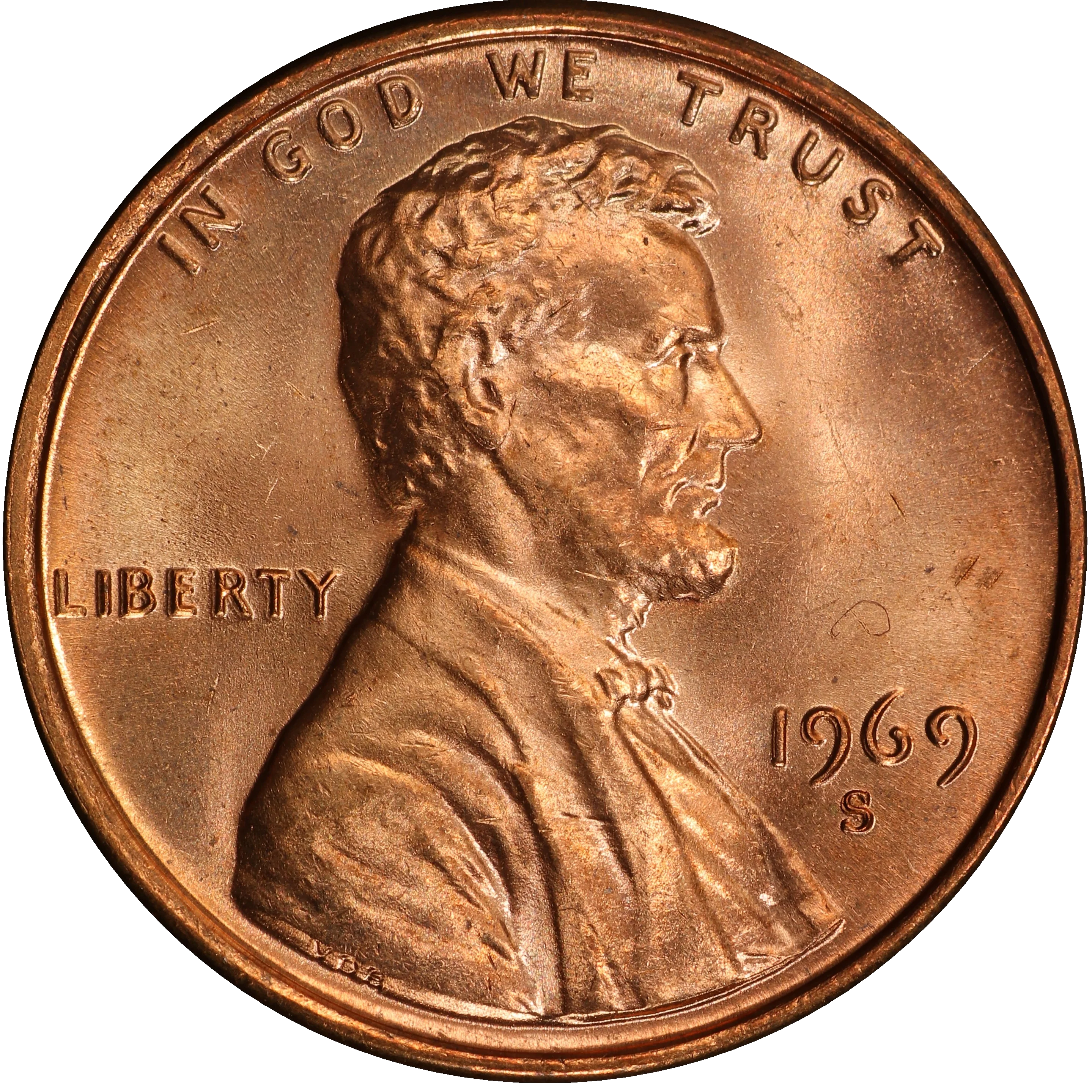
Here's how to tell them apart:
Genuine 1969-S DDO (valuable):
- Doubled elements are raised and fully rounded — each impression looks complete
- Clear separation between primary and secondary images
- Doubling is strongest on LIBERTY, IN GOD WE TRUST, and the date
- The S mint mark is NOT doubled (it was punched after the die was hubbed)
Machine doubling (no premium):
- Doubled image is flat and shelf-like — the metal looks smeared or pushed
- Doubling tends to radiate outward from the center of the coin
- Often affects the entire coin uniformly rather than being strongest on specific elements
- The S mint mark may also appear doubled (because it happened during striking)
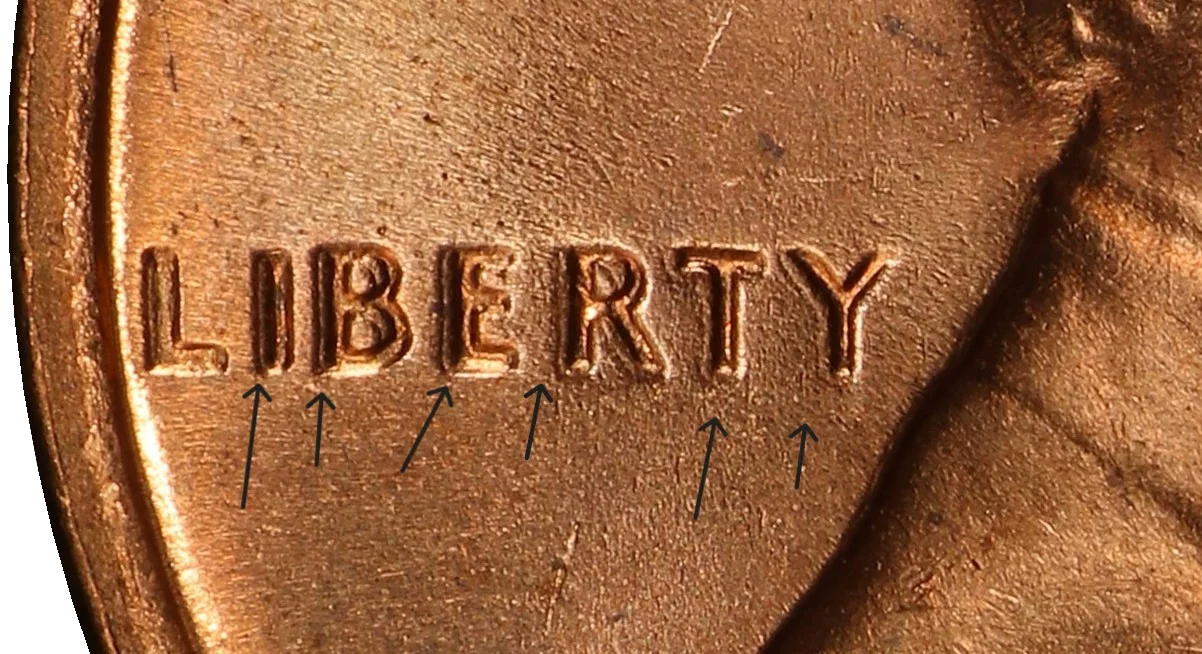
Machine-doubled LIBERTY — flat, shelf-like appearance (no premium value)
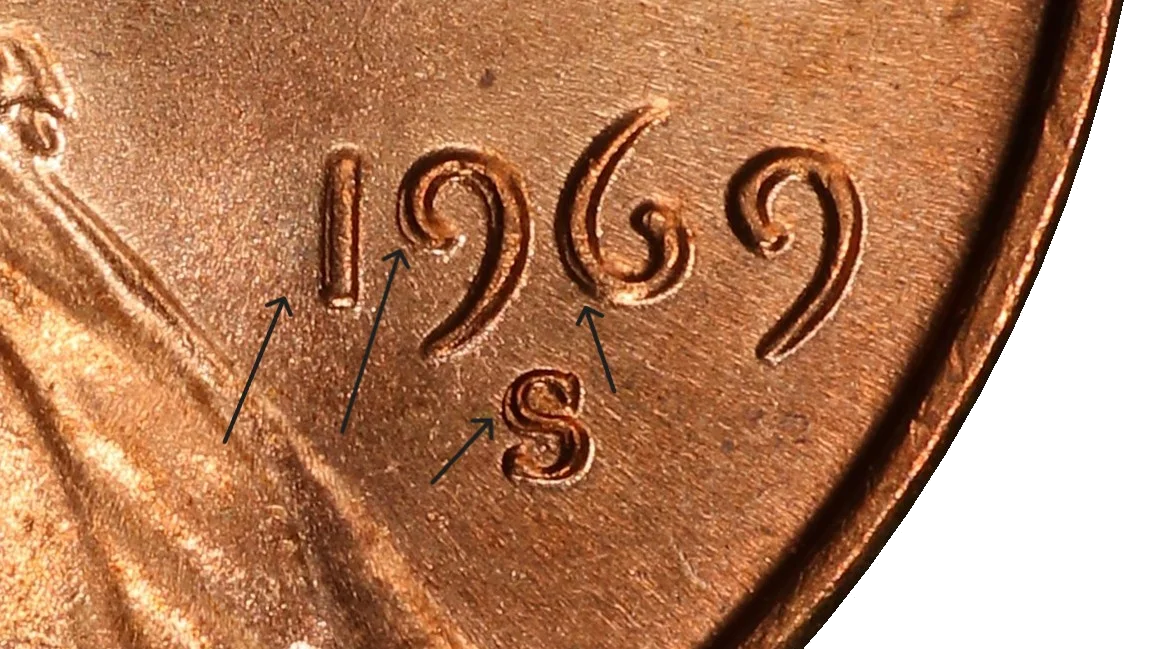
Machine-doubled date — smeared, pushed metal versus raised hub doubling
The Mint Mark Test
One of the fastest ways to rule out a genuine 1969-S DDO: check the mint mark. On the genuine doubled die, the S mint mark was hand-punched into the die after the doubling occurred during hubbing. This means the S mint mark will show only one clear impression. If you see doubling on the S mint mark, you almost certainly have machine doubling — not a doubled die.
What to Do If You Think You Have One
If your coin shows strong, rounded doubling on LIBERTY, IN GOD WE TRUST, and the date — but NOT on the S mint mark — you may have the real thing. Your next steps:
- Compare against known examples in the NumisDex catalog
- Have the coin examined by a knowledgeable dealer or variety specialist
- Consider submitting to PCGS or NGC for authentication and grading
The 1969-S DDO is rare enough that the U.S. Secret Service initially investigated these coins as potential counterfeits before the Mint confirmed they were genuine production errors.
0 Replies
Related Threads
- 1995 Doubled Die Cent: How to Confirm the Doubling on LIBERTY0 replies · 3mo ago
- Is Your 1972 Cent a Real Doubled Die? How to Check the Obverse0 replies · 3mo ago
- Not All Doubled Dies Are Created Equal: The Three Levels of Doubling Most Collectors Don't Know About0 replies · 3mo ago
- Machine Doubling vs. True Doubled Die: Can You Tell?0 replies · 4mo ago
- The Most Famous Doubled Die: 1955 Lincoln Cent DDO0 replies · 4mo ago