
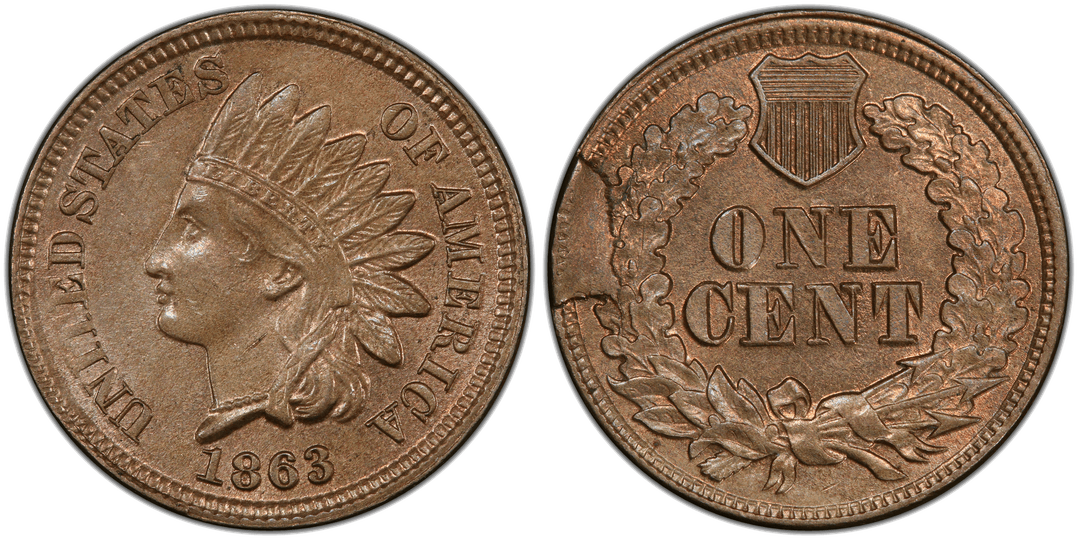
CU-1c-1863-12 Rim Cud
Error
Description
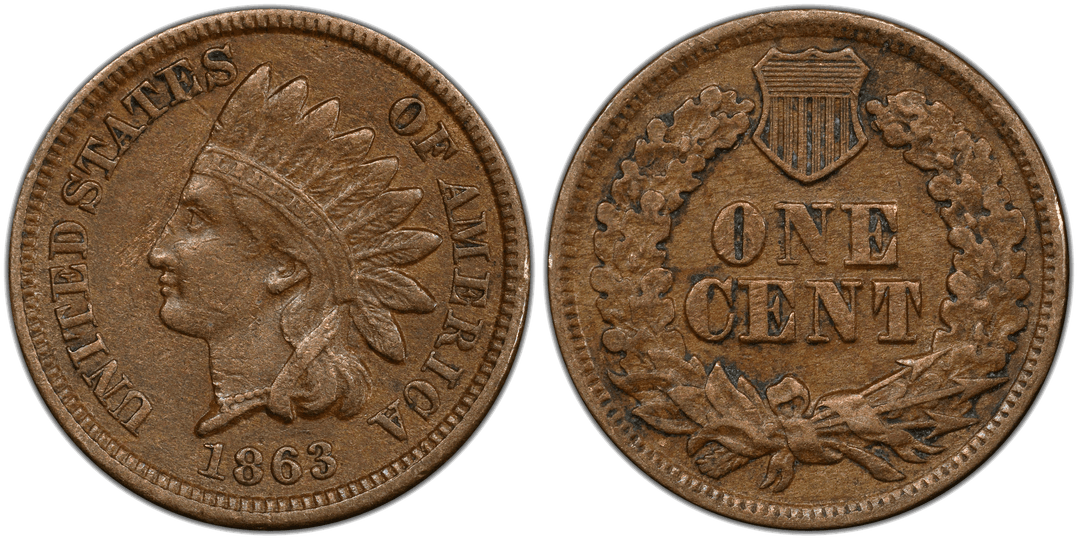
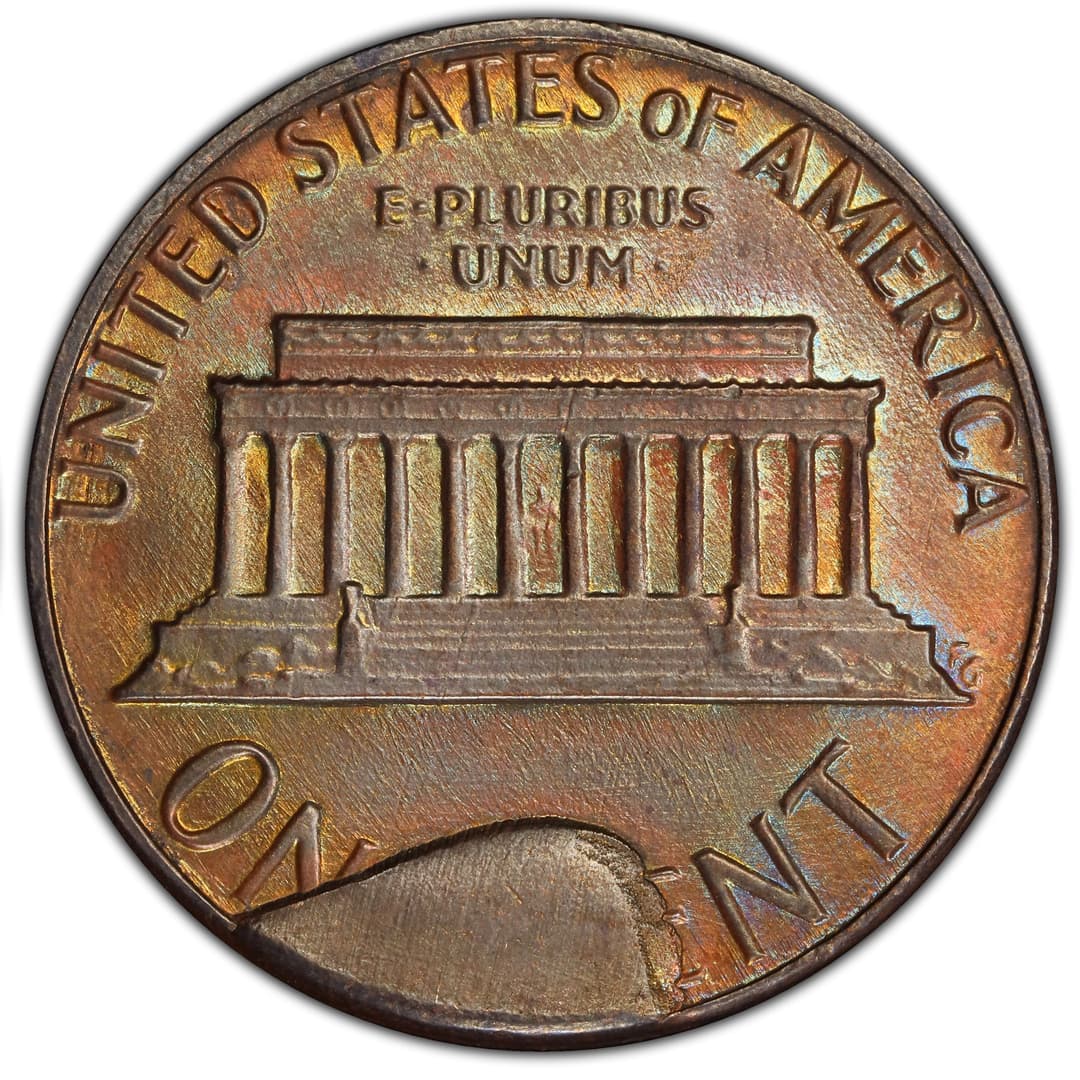
Cataloged as CU-1c-1863-12, this rim cud on an 1863 Indian Head Cent preserves evidence of a die rim fracture during one of the most turbulent years in American history. The cud formed when a section of the die's rim broke away, allowing planchet metal to flow into the resulting void and create the characteristic raised, featureless blob at the coin's edge. Rim cuds are classified by their clock-position on the coin, and this specimen's catalog number places it among at least a dozen documented cud varieties for the 1863 date. The copper-nickel composition of 1863 Indian Head Cents (88% copper, 12% nickel) produced a harder planchet than the bronze alloy that would replace it the following year, and the interaction between these harder planchets and the working dies may have contributed to the rim fractures that generated cud varieties. Philadelphia was the sole mint producing Indian Head Cents in 1863, and the Civil War-era demand for circulating coinage meant dies were used extensively before retirement. Longacre's design featured the Indian Head motif on the obverse with an oak wreath and shield on the reverse, continuing through the series' end in 1909.
External References
Community & Reference
Related Errors
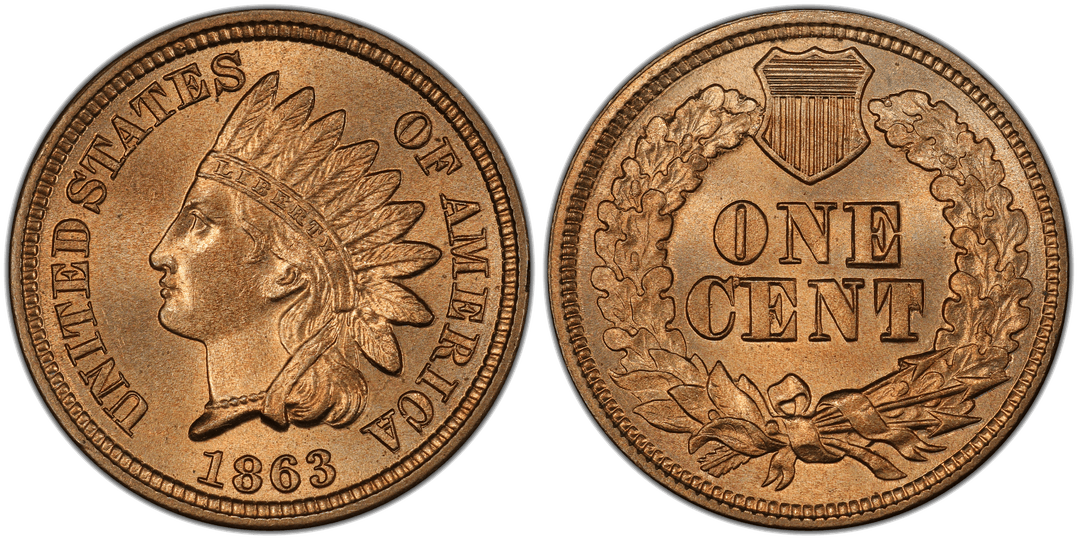
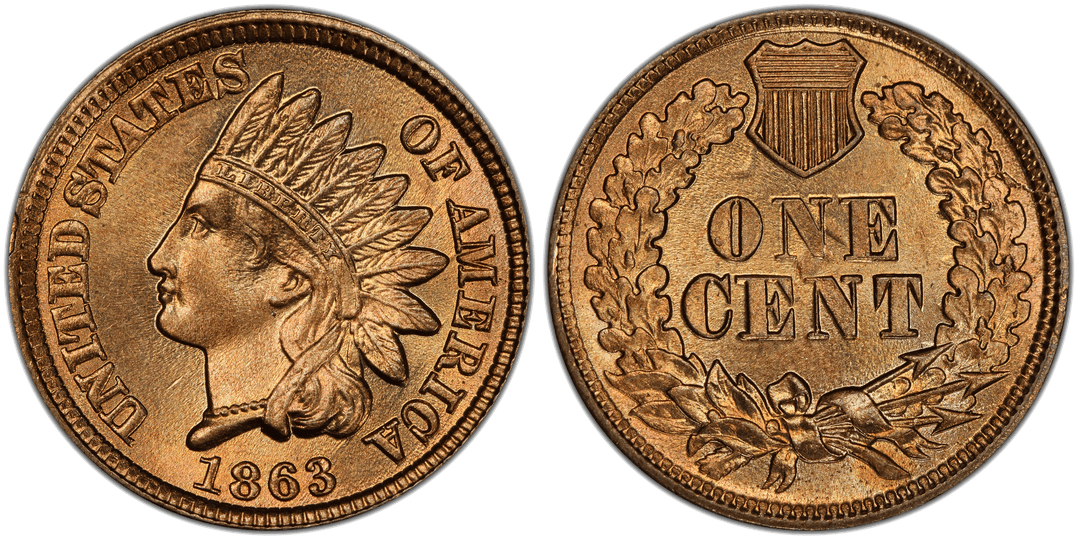
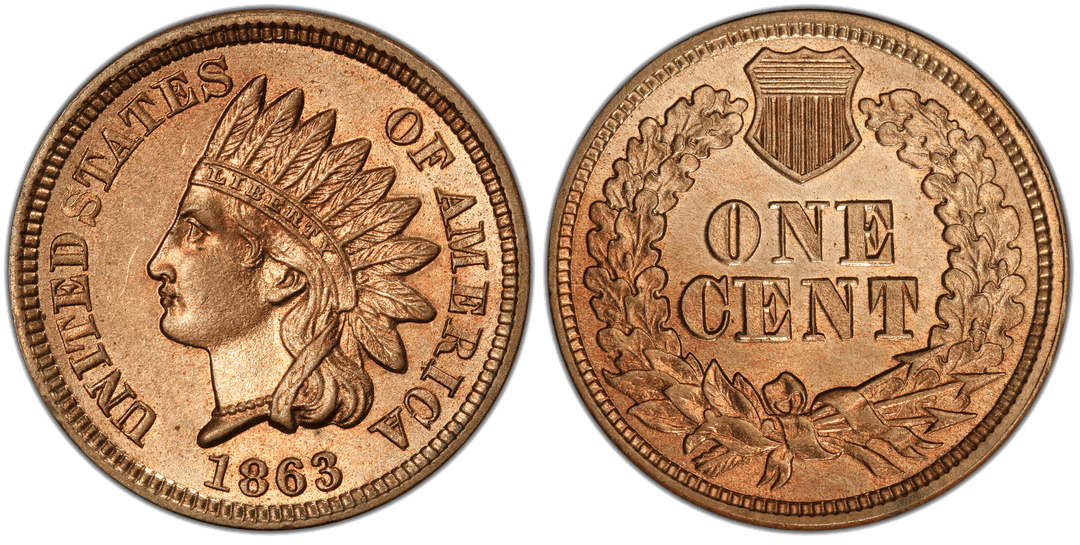
More Cud Errors
Collector Essentials
Tools for examining and preserving error coins and die varieties.
10x-20x Jeweler's Loupe
Essential for examining die varieties, doubled dies, and RPMs
Cherry Picker's Guide
The definitive reference for U.S. error coins and die varieties
2x2 Coin Flips & Holders
Protect and organize your finds with archival-quality holders
USB Digital Microscope
Capture detailed images for documentation and community submissions
As an Amazon Associate, NumisDex earns from qualifying purchases.