
1962 Doubled Die Obverse WDDO-013
Error
Description
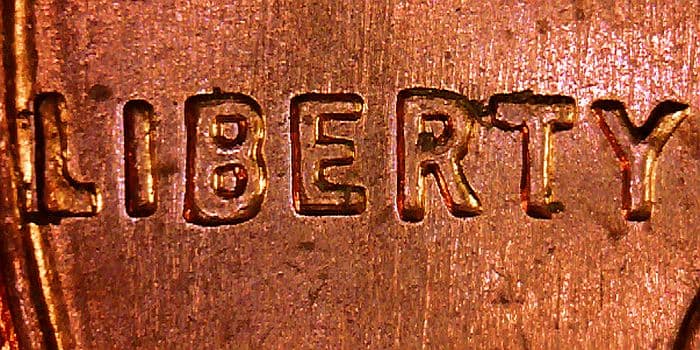
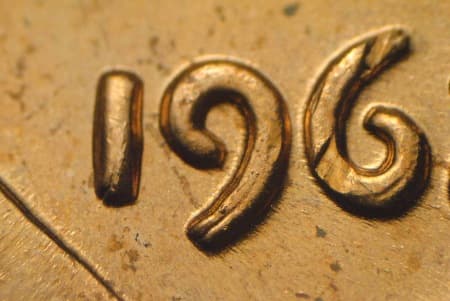
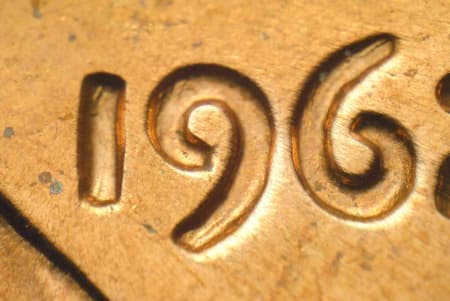
Among the most extensively documented varieties in the 1962 Lincoln Memorial Cent catalog, WDDO-013 records a die with a rich production history spanning three obverse stages and three reverse stages, preserving a detailed narrative of die deterioration, clash events, and die maintenance. The primary doubling appears below the vertical bar of the L in LIBERTY, a localized feature that requires careful magnification to detect but serves as the foundational attribution point for the variety. The Wexler Variety ID is 1962 1¢ WDDO-013 with no additional cross-references currently known. In Obverse Stage A, the earliest documented die state, a die gouge appearing as a dot touches the upper right of the 9 in the date, providing a discrete marker for identifying the freshest specimens. By Obverse Stage B, the die has undergone significant intervention: it was heavily abraded to remove die clash marks — the incuse impressions left when obverse and reverse dies strike each other without a planchet between them — and the abrading process has left its own characteristic surface texture, a fine network of hairline scratches that replaces the original die polish. Obverse Stage C represents very late die state (VLDS), by which point the Stage B abrading scratches have themselves been worn away through continued striking, and the die surface has taken on the softened, granular appearance typical of extreme die fatigue. On the reverse, Stage A accompanies the early obverse and lacks significant distinguishing features. Reverse Stage B introduces die scratches running east-west above and below the Lincoln Memorial, additional scratches oriented south-southwest to north-northeast inside the Memorial structure, and remnants of the die clash visible on the right side of the Memorial roof — evidence that the reverse die was also involved in the clashing event but was not abraded as aggressively as the obverse. By Reverse Stage C, the die has reached very late die state, with the earlier scratches softened and the overall detail diminished. The multi-stage documentation of WDDO-013 transforms it from a simple variety listing into a case study in die lifecycle management, illustrating how the Mint addressed clashing damage, how abrading altered the die surface, and how continued production eventually erased the evidence of both the original clash and the corrective maintenance.
Attribution History
- Discovered by John A. Wexler Cross References: None known
- None known; Wexler Variety ID: 1962 1¢ WDDO-013
- Expert attribution by Wexler Team
External References
Community & Reference
Related Errors


More Doubled Die Obverse Errors
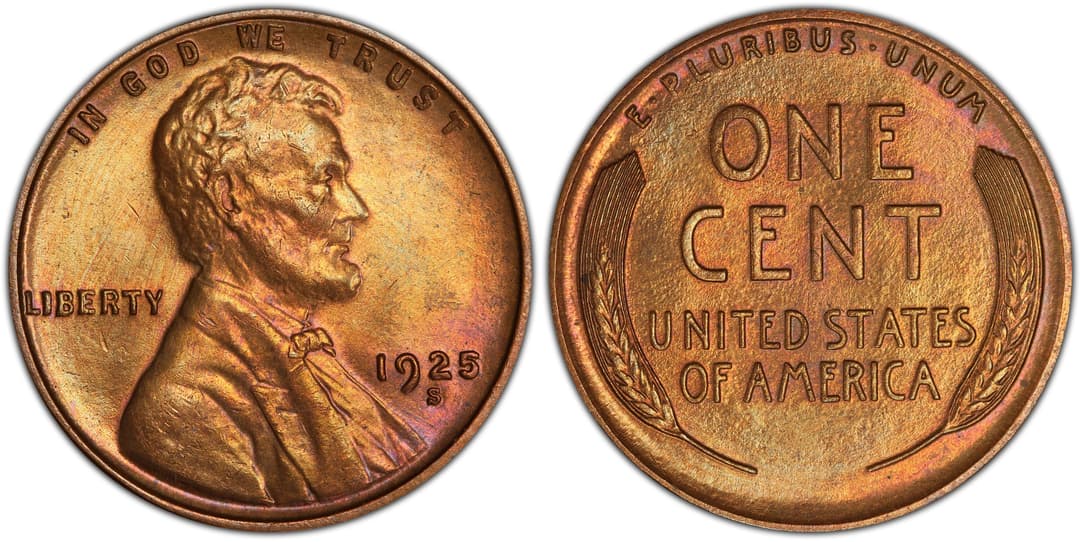
1925-S Doubled Die Obverse DDO-001
Doubled Die Obverse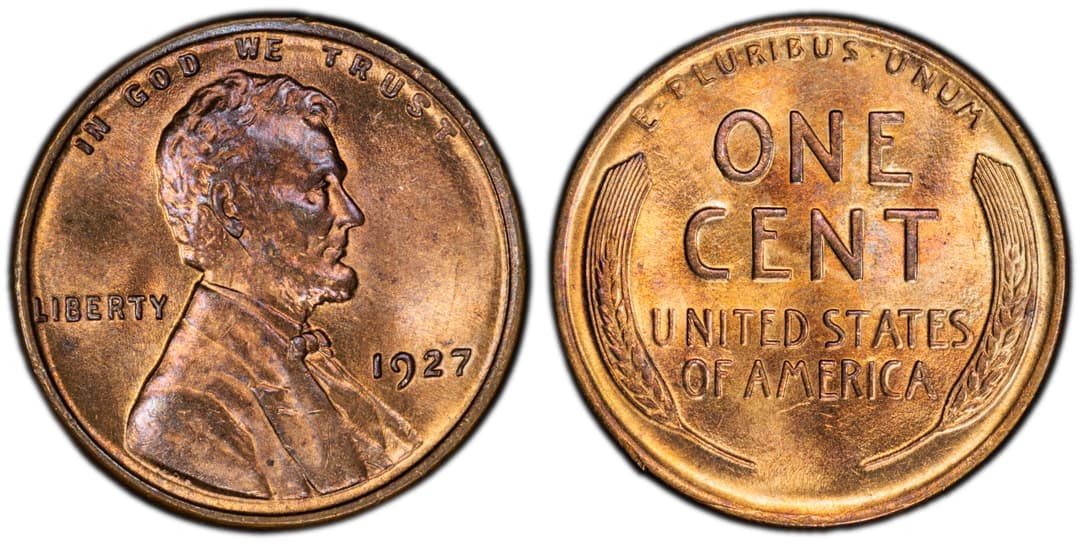
1927 Doubled Die Obverse DDO-001
Doubled Die Obverse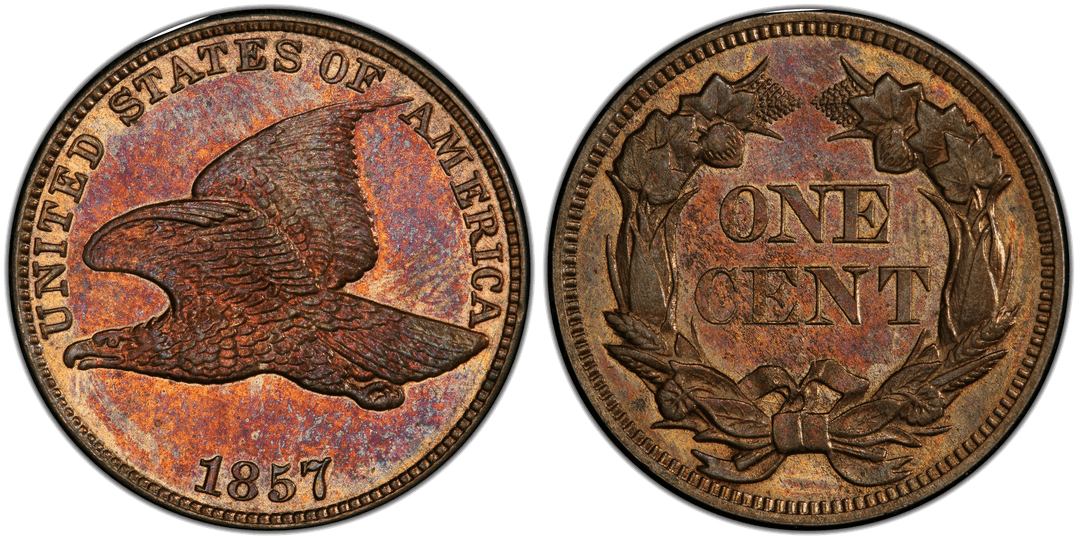
1857 Proof Flying Eagle Cent Doubled Die Obverse FS-401 Snow-5
Doubled Die Obverse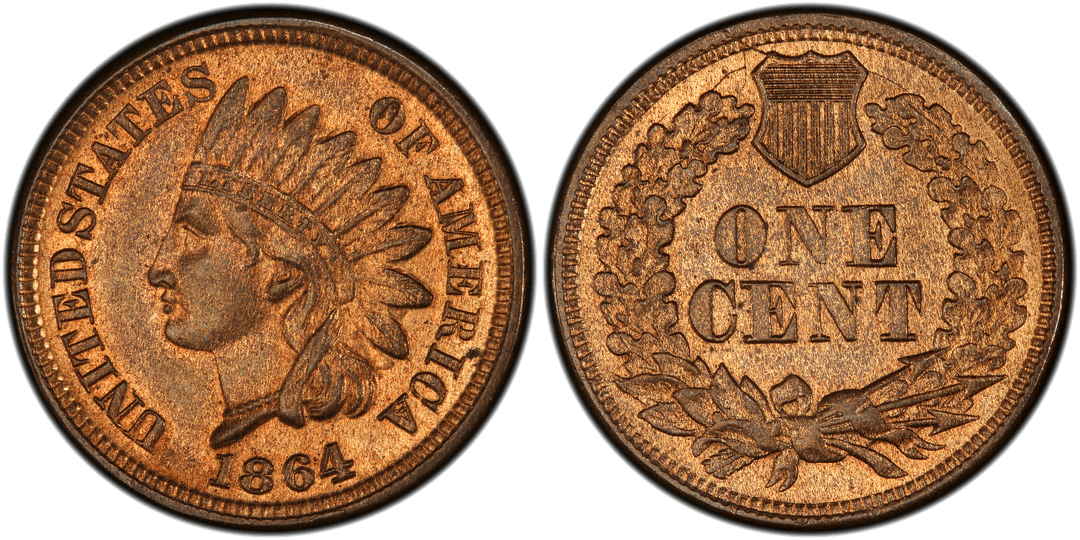
1864 Indian Head Cent (Bronze No L) Doubled Die Obverse FS-1101 Snow-4
Doubled Die Obverse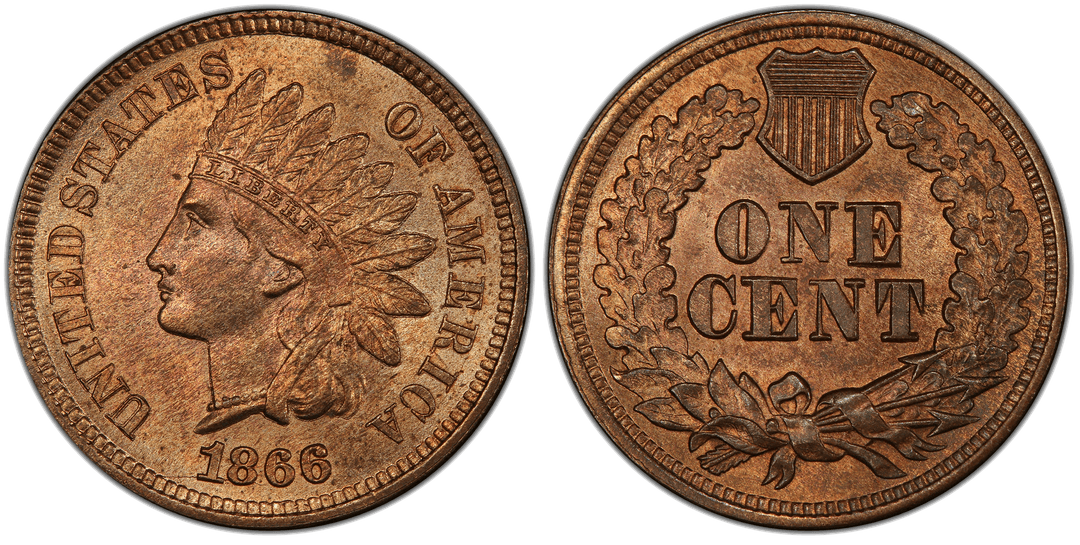
1866 Indian Head Cent Doubled Die Obverse FS-101 Snow-1
Doubled Die ObverseCollector Essentials
Tools for examining and preserving error coins and die varieties.
10x-20x Jeweler's Loupe
Essential for examining die varieties, doubled dies, and RPMs
Cherry Picker's Guide
The definitive reference for U.S. error coins and die varieties
2x2 Coin Flips & Holders
Protect and organize your finds with archival-quality holders
USB Digital Microscope
Capture detailed images for documentation and community submissions
As an Amazon Associate, NumisDex earns from qualifying purchases.