
CU-1C-1943-27 Cud
Error
Description
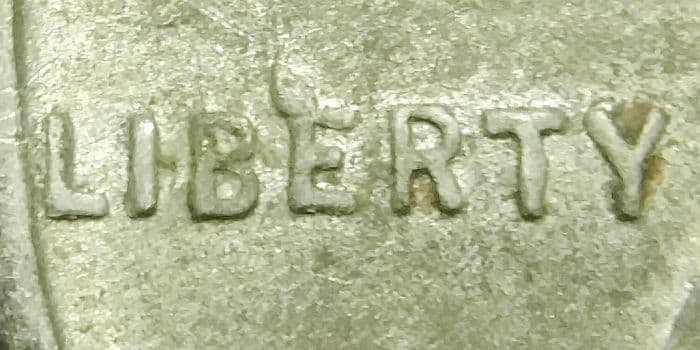
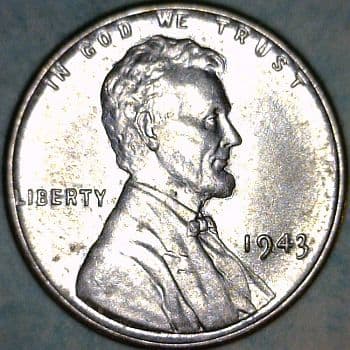
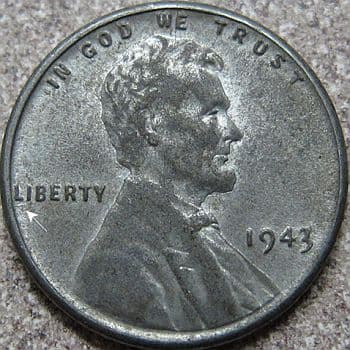
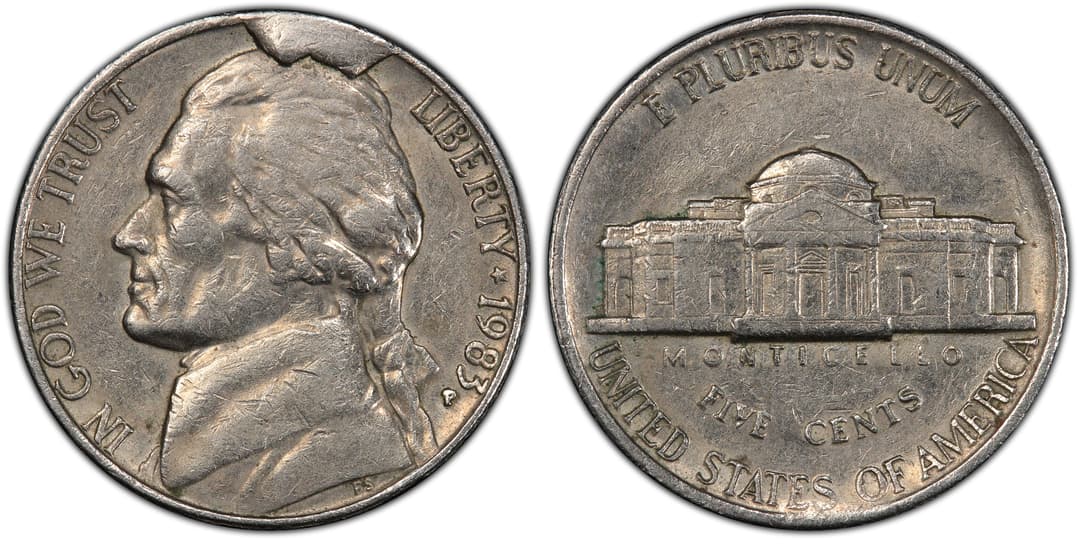
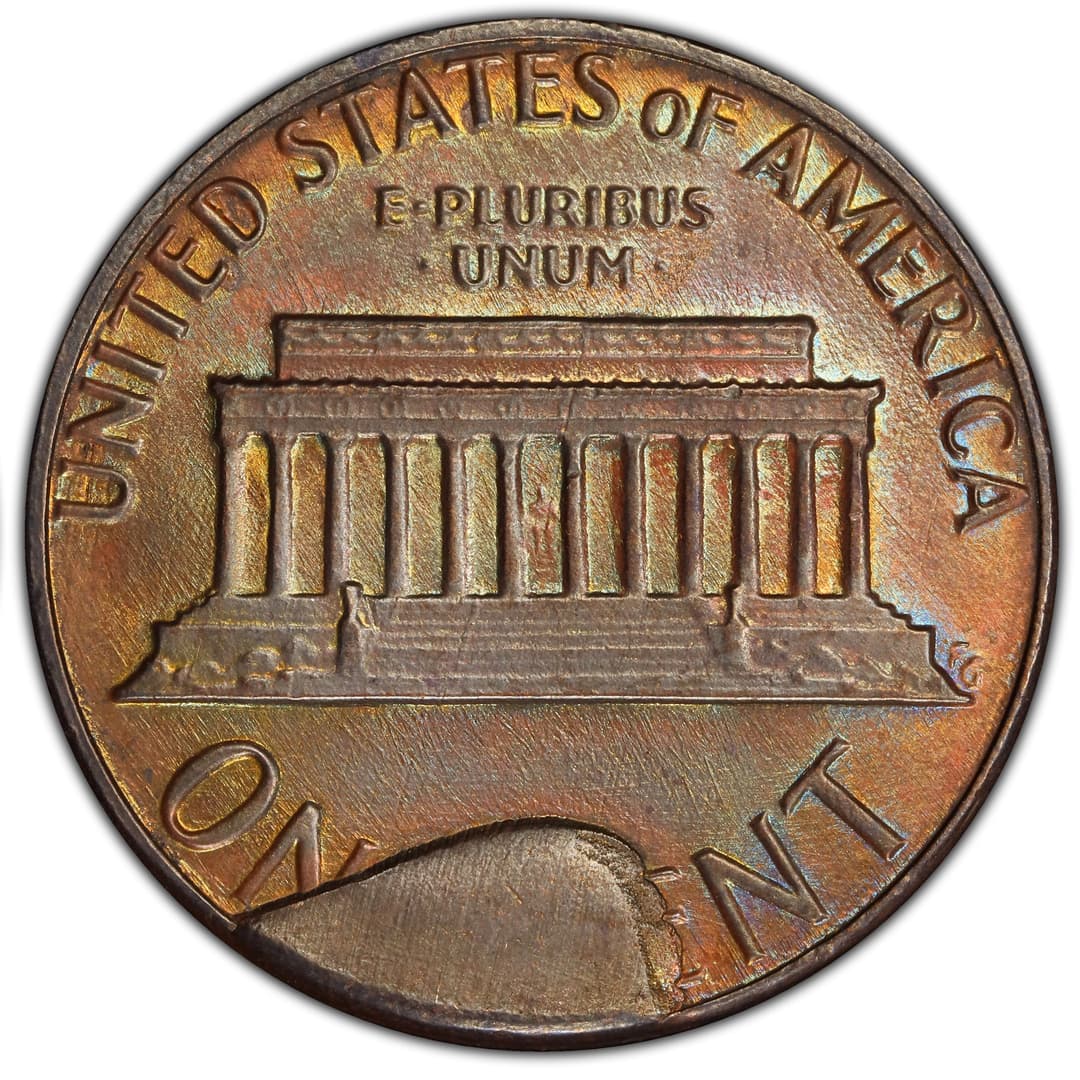
The collar's role in cud formation is often overlooked, and CU-1C-1943-27 on the 1943 steel Lincoln cent provides context for this critical component. The collar — a ring of hardened steel surrounding the planchet during striking — constrains the coin's diameter and forms its edge. Where the die face meets the collar, a sharp geometric transition creates a stress concentration. With each strike, this junction absorbs peak loading, and over time, fatigue cracks initiate precisely at this boundary. When a crack propagates inward far enough, the die section between the crack and the rim separates, producing a cud that always includes the coin's edge by definition. This distinguishes cuds from interior die breaks, which occur entirely within the die face and do not touch the rim. The 1943 steel planchet amplified forces at the die-collar junction, and the resulting epidemic of cuds is a case study in how material properties influence error production. Twenty-seven entries into the 1943 Philadelphia catalog, the pattern is unmistakable: steel planchets broke dies. CU-1C-1943-27 is documented by Cuds on Coins and cross-referenced under its catalog designation.
Attribution History
- Discovered by Geoffrey Noe
- CU-1C-1943-27
- Expert attribution by Cuds on Coins
External References
Community & Reference
Related Errors


More Cud Errors
Collector Essentials
Tools for examining and preserving error coins and die varieties.
10x-20x Jeweler's Loupe
Essential for examining die varieties, doubled dies, and RPMs
Cherry Picker's Guide
The definitive reference for U.S. error coins and die varieties
2x2 Coin Flips & Holders
Protect and organize your finds with archival-quality holders
USB Digital Microscope
Capture detailed images for documentation and community submissions
As an Amazon Associate, NumisDex earns from qualifying purchases.