
1935 Alaska RRC Bingle Nickel
Strike Type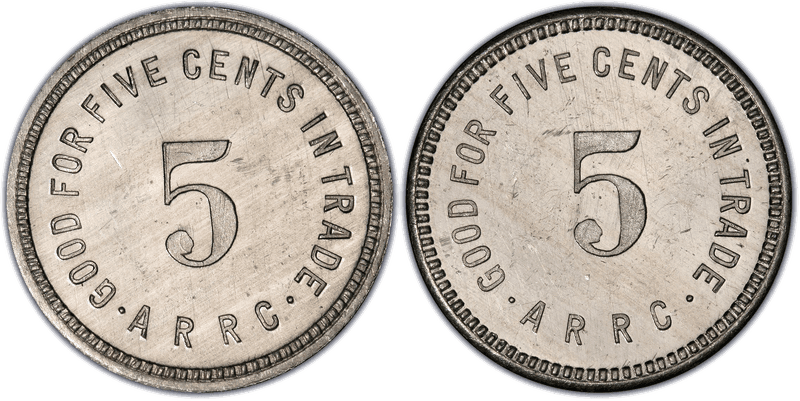
Coin Details
Auction Record
$51 AU53 09-20-2013 Stack's Bowers
Description
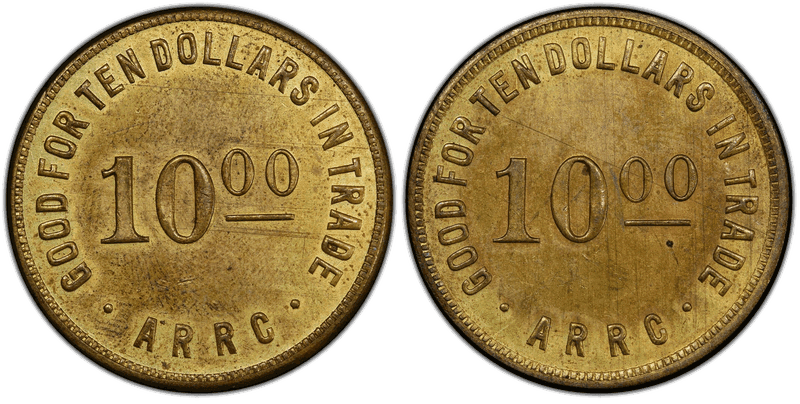
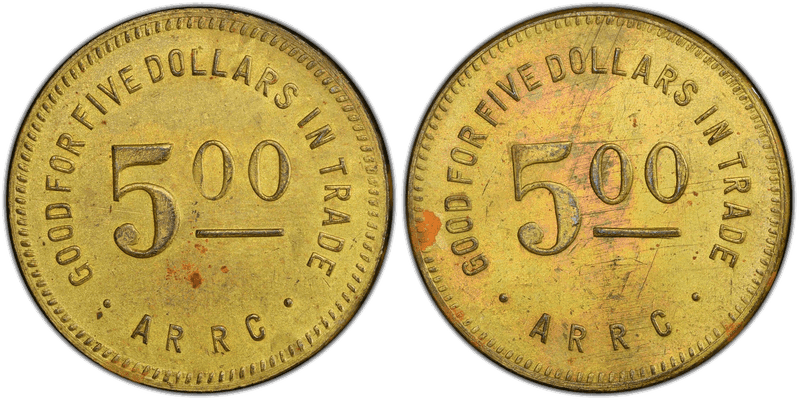
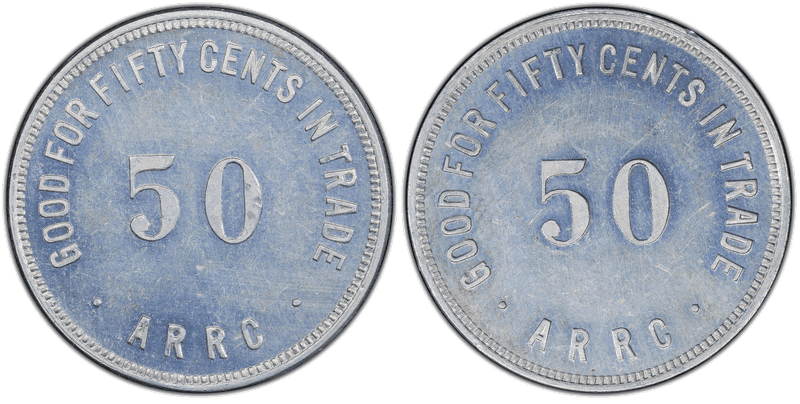
The 1935 Alaska Rural Rehabilitation Corporation five-cent bingle served as a utilitarian medium of exchange within the Matanuska Valley Colony, the ambitious New Deal agricultural resettlement in territorial Alaska. President Franklin Roosevelt authorized the colonization project in early 1935, and by May of that year the first families arrived in Palmer, Alaska, to begin farming homesteads carved from the wilderness of the Matanuska-Susitna Valley. The five-cent denomination was struck in brass and carries the same basic design as the other bingle values: the denomination and BINGLE designation on one side, with the Alaska Rural Rehabilitation Corporation attribution on the other. The brass composition gives the nickel-value piece a warm golden appearance that readily distinguishes it from conventional United States five-cent coins. Like all denominations in the series, the five-cent bingle was manufactured outside Alaska — at a commercial token-making facility in the contiguous states — and shipped north for distribution through the colony's cooperative store system. The colony's internal economy operated on a credit system where colonists received advances against future agricultural production. The bingles functioned as physical tokens within this closed economic loop, redeemable only at the ARRC commissary. This arrangement drew criticism from some colonists and outside observers who viewed the scrip system as paternalistic, and the program was phased out relatively quickly as the colony matured and integrated with the broader Alaskan economy.
Rarity Notes
Scarce. Brass composition aided survival compared to the aluminum cent. Estimated 100-200 examples extant. Most survivors show moderate to heavy circulation wear from active use in the colony store.
External References
Error Varieties
No listings found
This category doesn't have any child listings yet.
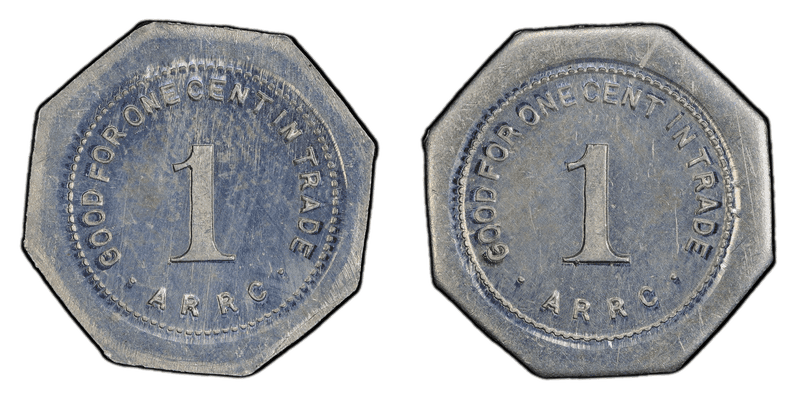
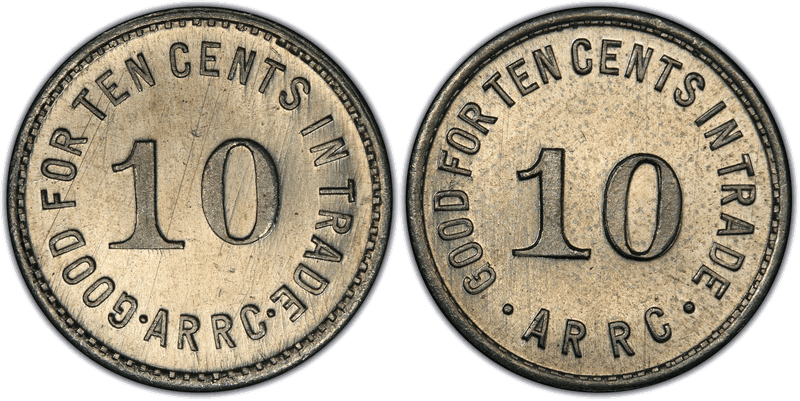
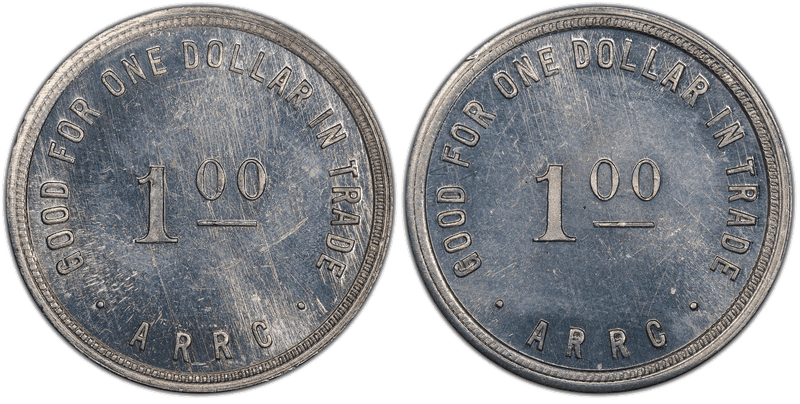
Other Strike Types in This Series
Collector Essentials
Tools and references for building and protecting your coin collection.
10x-20x Jeweler's Loupe
A must-have for examining coin details, mint marks, and surface quality
Red Book — Guide to U.S. Coins
The essential annual reference for U.S. coin values, history, and mintages
Coin Albums & Storage
Archival-quality albums and holders to protect and display your collection
USB Digital Microscope
Capture detailed images for documentation and community submissions
As an Amazon Associate, NumisDex earns from qualifying purchases.