
RCD-5c-1867-16 Retained Cud
Error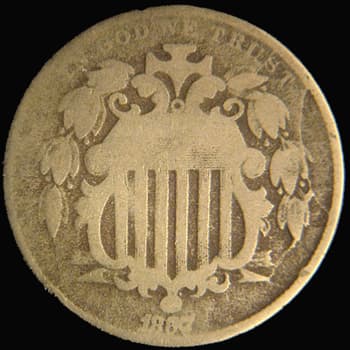
Description
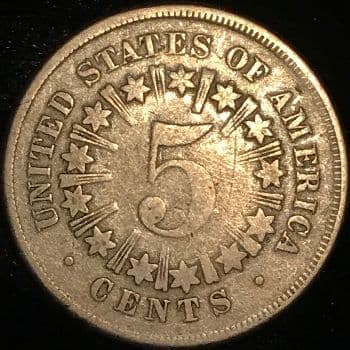
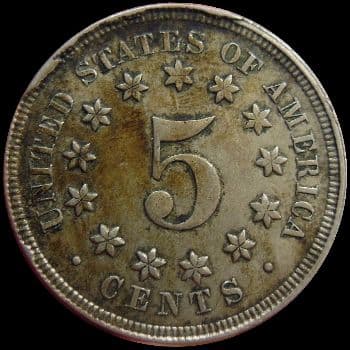
Sixteenth in the retained cud census for the 1867 Shield Nickel No Rays, RCD-5c-1867-16 was cataloged by the Cuds on Coins attribution service — an extraordinarily deep census of retained cud varieties for a single date that speaks to the challenging die conditions encountered during early nickel five-cent piece production. The designation follows the standard naming convention: RCD for retained cud, 5c for the nickel denomination, 1867 for the date, and 16 indicating the sixteenth retained cud identified for this issue. James B. Longacre designed the Shield nickel, which debuted in 1866 with a reverse featuring rays between the stars — rays that were eliminated for the 1867 production onward because they created opposing high-relief elements that made the coins extremely difficult to strike properly. Even without the rays, the 1867 No Rays Shield nickel's design — a prominent Union shield on the obverse and a large numeral 5 encircled by thirteen stars on the reverse — still demanded substantial striking pressure. The 75% copper, 25% nickel alloy was significantly harder than any composition previously used for United States coinage, imposing greater stress on working dies and accelerating the development of rim cracks and cuds. Sixteen documented retained cuds for a single date represents remarkable evidence of systematic die rim failure, reflecting either the metallurgical challenges of striking the hard nickel alloy or intensive collector and researcher scrutiny of this early issue. Retained cuds form when a die fragment cracks at the rim but remains partially attached, allowing planchet metal to fill the developing gap and creating a raised, partially featureless area at the coin's edge that retains some connection to the adjacent design. Philadelphia struck approximately 28.89 million Shield nickels in 1867, the first full year of the No Rays subtype, and the sixteen retained cuds document the ongoing die management challenges that characterized this transitional period in American coinage technology.
Attribution History
- Discovered by Chuck Newman
- Expert attribution by Cuds on Coins
External References
Community & Reference
Related Errors
More Retained Cud Errors
Collector Essentials
Tools for examining and preserving error coins and die varieties.
10x-20x Jeweler's Loupe
Essential for examining die varieties, doubled dies, and RPMs
Cherry Picker's Guide
The definitive reference for U.S. error coins and die varieties
2x2 Coin Flips & Holders
Protect and organize your finds with archival-quality holders
USB Digital Microscope
Capture detailed images for documentation and community submissions
As an Amazon Associate, NumisDex earns from qualifying purchases.