
By Brandon Norris
Not in the Books #23: An 1863 Indian Head With Three Errors
Three at Once
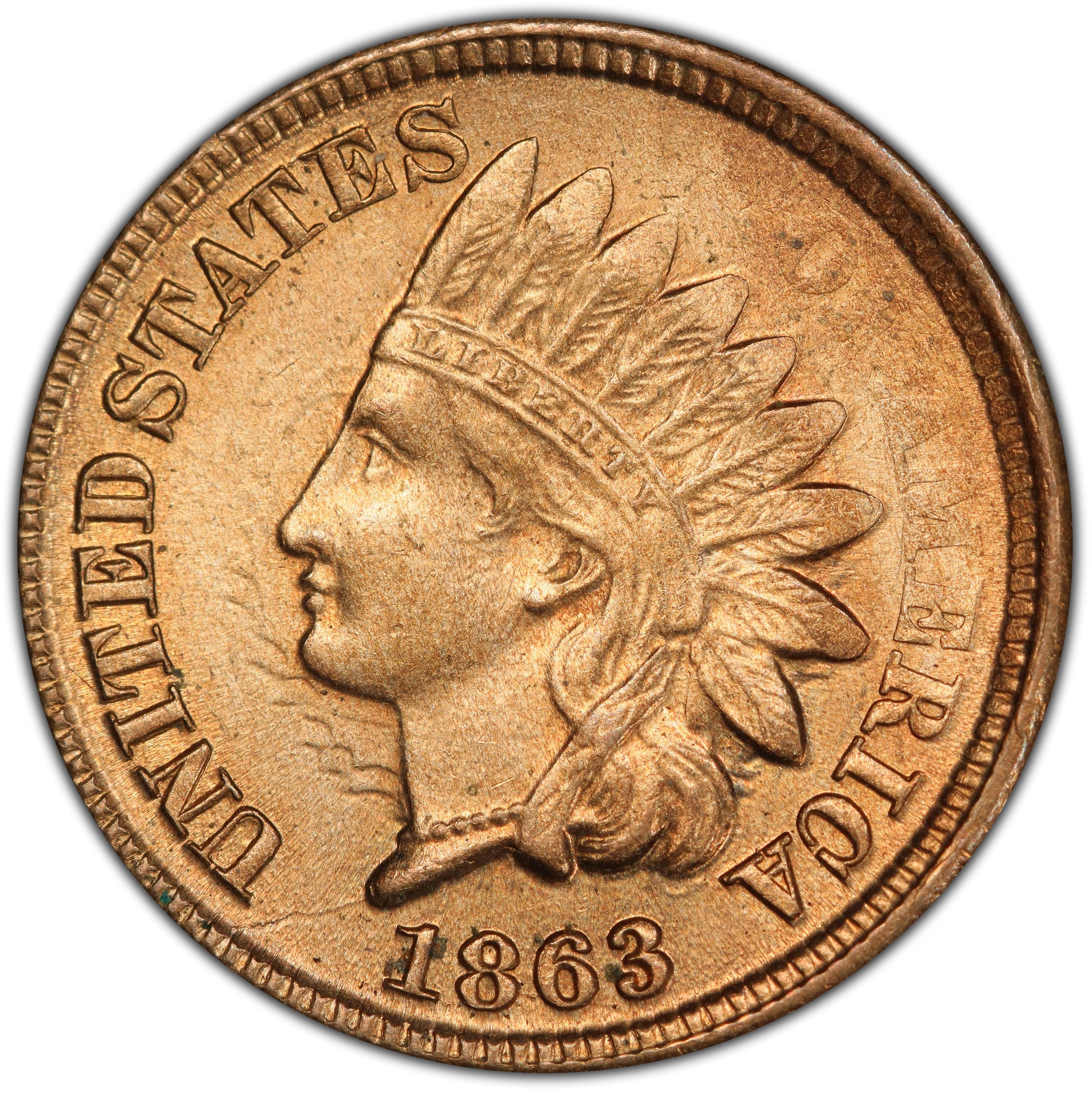
Most error coins carry one error. This 1863 Indian Head cent carries three, on the same planchet.
Multiple die clashes. The obverse and reverse dies struck each other without a planchet between them, more than once. The wreath from the reverse has transferred onto the obverse, sitting in the field directly in front of the Indian's face.
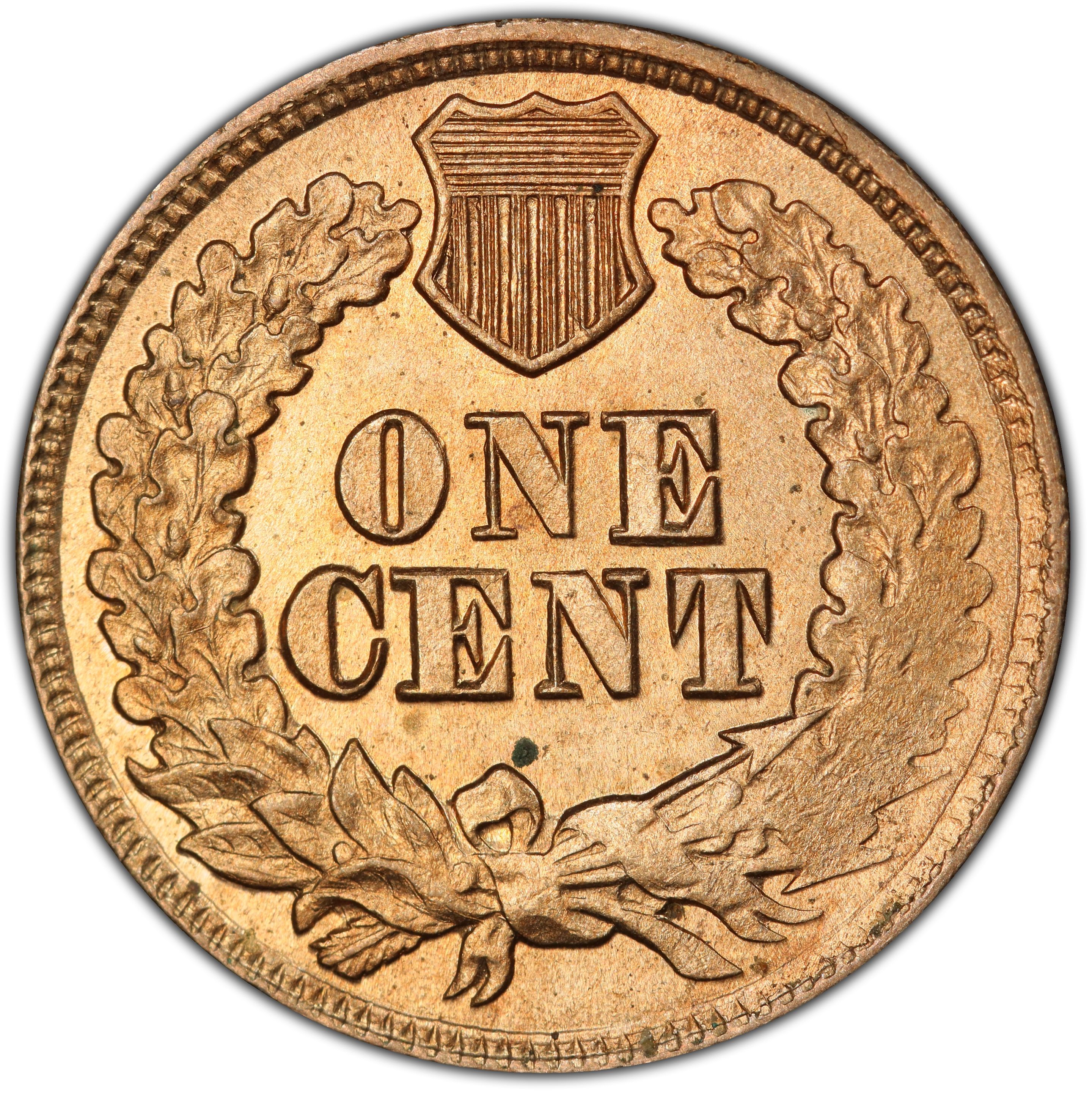
A tapered planchet. The blank itself was not of even thickness before it was ever struck — a planchet error rather than a die one, which is what makes its presence here unusual. The taper is visible on the reverse as well.
A spiked head. A die crack running from the rim into the portrait, producing a raised spike projecting from the head — the same error type covered last week.
How a Die Clash Happens at All
A modern press strikes between 750 and 850 coins a minute. Between each strike the dies separate just long enough for the struck coin to eject and the next planchet to feed in.
A clash happens when that feed fails but the press does not stop. The dies close on nothing, and with no planchet to absorb the blow they slam into each other at 35 to 150 tons depending on denomination. The raised design on each die is driven into the face of the other, leaving an incuse impression. Every coin struck from those dies afterwards carries it.
Two details follow from that, and both are visible here. The transferred design appears mirror-reversed, because the die carries a reversed image to begin with. And it appears on every coin from that die pair, which is what separates a clash from damage to an individual coin.
A multiple clash means the feed failed more than once before anyone caught it.
The Thread That Connects This to Wednesday
Here is a detail worth sitting with. The Mint's remedy for a clashed die is to polish the die face with abrasive compounds, grinding the shallow clash impressions away.
That is the same operation that produces trail dies — the subject of this week's error education post. Fibres from the polishing tool gather in the recessed letters and gouge trails into the field on the way out.
So one error is repaired by a process that causes another. A die that clashed, got polished, and then ran on could carry the ghost of the first problem and the signature of its own repair.
Why Three Is Different From One
Each of these is worth cataloguing on its own. A multiple clash is a documented die state. A tapered planchet is a mint error with its own category. A spiked head is a named variety with examples across 21 series.
What makes this coin interesting is that they are independent failures stacked on one piece. The planchet was wrong before the dies ever touched it. The dies had already clashed more than once by the time this blank reached them. And the obverse die had cracked.
Three separate things went wrong in three separate places, and the result left the press together.
Why It Is Not in the Books
This is the kind of coin that falls through standard references. A catalogue organised by error type has to file it somewhere — under clashes, or planchet errors, or die cracks — and whichever it picks, the other two go unrecorded. Coins with compound errors tend to be catalogued by whichever error the attributor found first.
That is the gap NumisDex Discoveries exist to fill: coins that are real, documented and attributable, and that no existing reference lists.
What to Look At on This Coin
Start with the field in front of the face. The wreath has no business being on the obverse, and once you see it you cannot stop seeing it — a curve of leaves sitting in open field where the die design has nothing.
Then look at the edge thickness across the coin. A tapered planchet is not dramatic; it is a blank that was rolled slightly out of tolerance, so one side of the coin carries marginally more metal than the other. It shows most clearly where the rim is weakest.
Last, the spike. A die crack running from the rim into the portrait, filling with metal on every strike, standing proud of the surface. By itself it would be a week's post. Here it is the third thing on the list.