
US Mint 2026 Price Increases: Silver and Clad Products See Dramatic Jumps — Here's Why
The Numbers Are Staggering — But There's Context
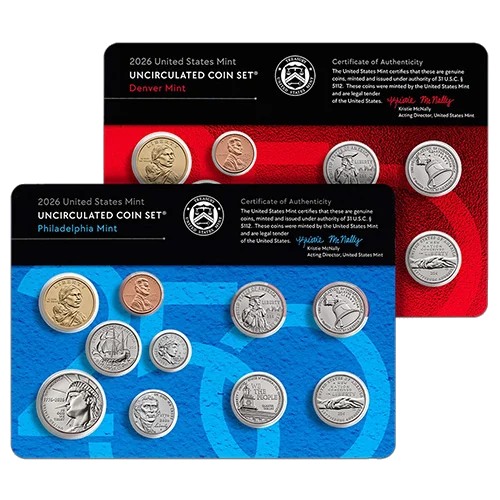
U.S. Mint packaging for proof sets and collector coins — the cost of these products has increased sharply in 2026.
If you've shopped at the U.S. Mint recently, you've noticed the prices. The 2026 product lineup shows dramatic increases across silver and clad offerings. The headline numbers:
| Product | 2025 Price | 2026 Price | Change |
|---|---|---|---|
| Silver Eagle Proof | $95 | $173 | +82% |
| Silver Proof Set | $150 | $245 | +63% |
| Uncirculated Mint Set | $33.25 | $124.50 | +274% |
A 274% increase on the Uncirculated Mint Set? Let's break down what's driving these numbers.
Factor 1: Silver Prices Have Surged
The single biggest factor is the silver market. The U.S. Mint uses a precious metals pricing grid that adjusts product prices based on the current spot price of silver and gold. When silver prices rise, Mint product prices rise automatically.
Silver demand has increased dramatically due to:
- Industrial demand from solar panels: Photovoltaic silver consumption increased 160% from 2019 to 2025 (Silver Institute data)
- Electronics and electrification: Over half of global silver demand now comes from industrial manufacturing
- Physical supply constraints: Delivery delays of up to two weeks on bullion products reflect genuine tightness in the physical silver market
Factor 2: The 2026 Sets Are Different Products
Direct year-over-year price comparisons can be misleading because the 2026 sets contain different coins than 2025:
- The 2026 Uncirculated Mint Set includes the Semiquincentennial designs — potentially more coins and different compositions than the standard 2025 set
- The 2026 Silver Proof Set includes the new Emerging Liberty Dime, Enduring Liberty Half Dollar, and all five Semiquincentennial quarter designs in silver
- These are one-year-only designs with inherent collectibility, which the Mint factors into pricing
Factor 3: The Mint Is a Business
The U.S. Mint is required to operate its numismatic program on a cost-recovery basis and generates revenue for the Treasury. Pricing reflects not just metal costs but also:
- Die creation costs (all-new designs require all-new dies)
- Labor and manufacturing overhead
- Packaging and marketing
- The Mint's assessment of collector demand
What This Means for Collectors
Higher Mint prices don't necessarily mean higher secondary market values. In many cases, Mint issue prices exceed what coins sell for on the secondary market within a year. Before buying directly from the Mint:
- Compare the Mint's price to secondary market prices on eBay sold listings, GreatCollections, and dealer sites
- Consider whether you're buying for your collection (worth paying retail) or as an investment (where secondary market purchases may offer better value)
- Remember that introductory pricing deadlines create artificial urgency — most products don't appreciate enough to justify panic buying
The Semiquincentennial designs are genuinely special, and the 2026 sets will be one-year collectibles. But let the math guide your decisions, not the marketing.
Explore in the NumisDex Catalog
Related varieties and errors from the NumisDex database:
0 Replies
Related Threads
- Rosa Parks Commemorative Coins: HR 916 Would Honor a Civil Rights Icon0 replies · 2mo ago
- Olympic Coins for LA 2028 and Salt Lake City 2034: S. 2265 Explained0 replies · 2mo ago
- The End of the Penny: What HR 4459 (MINT Act) Means for Collectors0 replies · 2mo ago
- The $2.50 Coin Is Coming Back: What Collectors Need to Know About HR 56160 replies · 2mo ago
- U.S. Mint Releasing 250,000 Special "July 4th" Privy Mark Declaration of Independence Quarters0 replies · 2mo ago