
San Francisco Proof vs. Business Strike: How to Tell the Difference
Proof Coins vs. Business Strikes
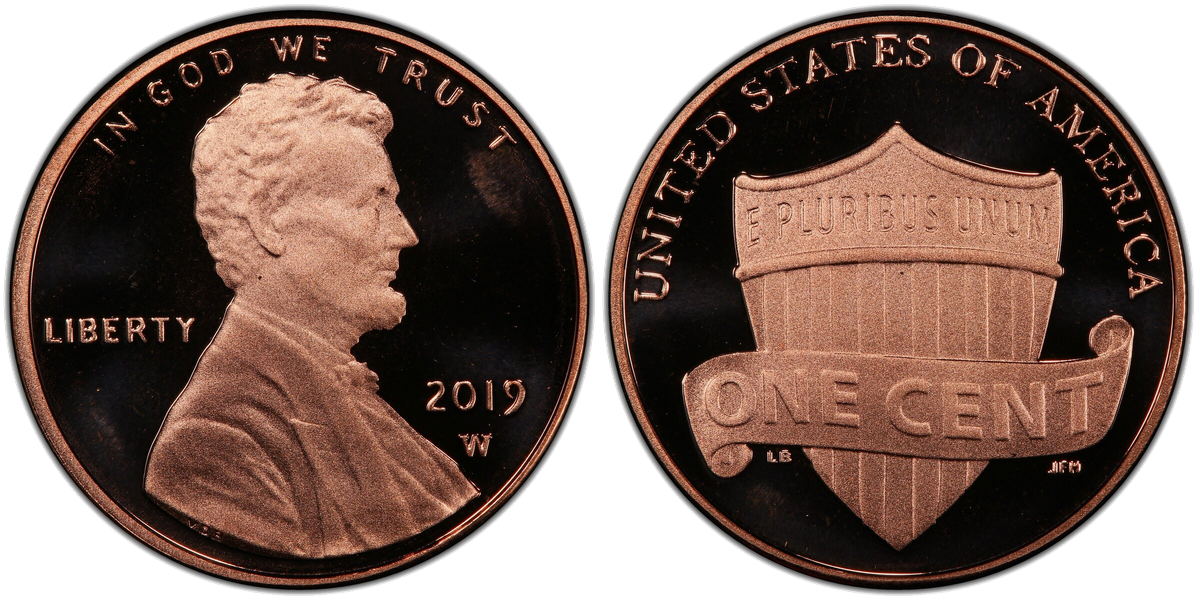
Proof coins and business strikes (regular circulation coins) are made from the same designs but through fundamentally different manufacturing processes. Understanding the difference is important because proofs are struck specifically for collectors and carry different values, grading standards, and designations than business strikes.
How Proof Coins Are Made
Proof coins receive special treatment at every stage of production:
- Specially prepared planchets — Blanks are cleaned and polished to a mirror finish before striking
- Specially prepared dies — Dies are polished to create mirror-finish fields and may be treated to create frosted design elements (cameo effect)
- Multiple strikes — Proofs are struck at least twice at higher pressure than business strikes, ensuring full detail transfer
- Individual handling — Each proof coin is individually handled and inspected rather than being dumped into bins with thousands of other coins
Business Strike Characteristics
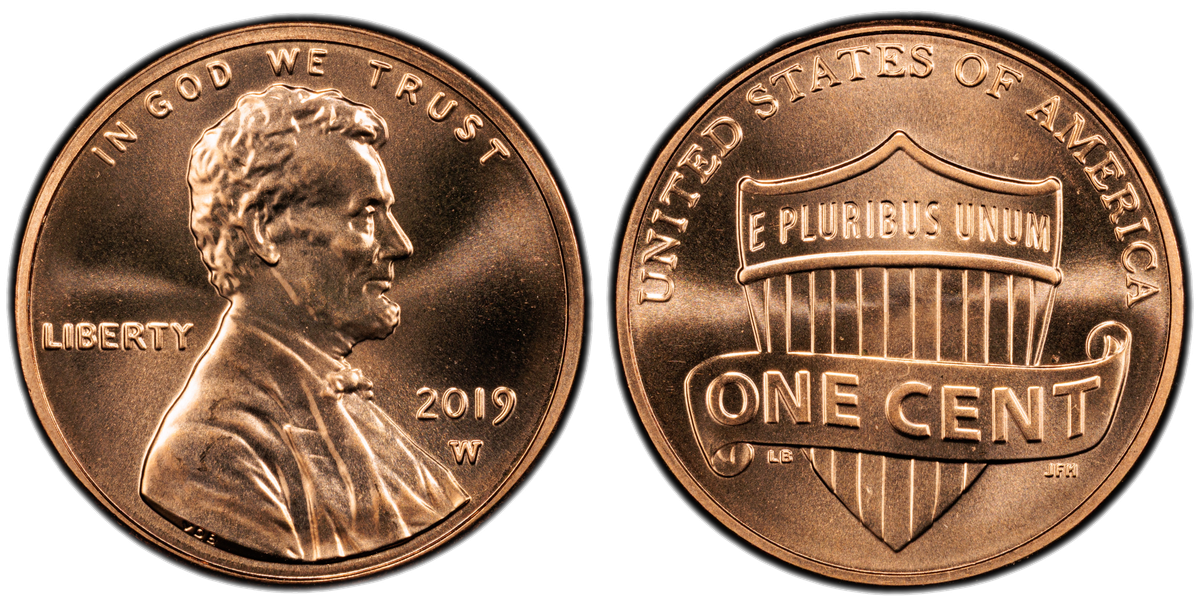
Business strikes are produced for commerce — speed and volume are priorities:
- Standard planchet preparation (no special polishing)
- Single strike at standard pressure
- Coins are ejected into bins and bagged in bulk
- Surface shows a satin or cartwheel luster rather than mirror finish
How to Tell Them Apart
- Fields — Proof fields are mirror-like and highly reflective. Business strike fields show cartwheel luster (light radiates outward from the center in a spinning pattern).
- Devices (design elements) — Modern proofs (1968-present) typically show frosted devices against mirror fields (the "cameo" or "deep cameo" effect). Business strike devices have the same luster as the fields.
- Edge and rim quality — Proofs have sharper, more precisely formed rims and edges due to the higher striking pressure.
- Detail sharpness — Because of multiple strikes at higher pressure, proofs show fuller detail even in the highest-relief areas of the design.
- Mint mark — Since 1968, proof coins have been struck exclusively at the San Francisco Mint and carry an S mint mark. Finding an S-mint proof finish on a coin that shouldn't have one is a significant error (transitional error).
Proof Grading
Proofs are graded on the same 1-70 Sheldon scale but use a "PR" or "PF" prefix instead of "MS" (Mint State). Additional designations include:
- Cameo (CAM) — Moderate contrast between frosted devices and mirror fields
- Deep Cameo (DCAM) / Ultra Cameo — Heavy, dramatic contrast — the most desirable
Browse proof coins and business strikes side by side in the NumisDex catalog.
Explore in the NumisDex Catalog
Related varieties and errors from the NumisDex database:
0 Replies
Related Threads
- Rosa Parks Commemorative Coins: HR 916 Would Honor a Civil Rights Icon0 replies · 2mo ago
- Olympic Coins for LA 2028 and Salt Lake City 2034: S. 2265 Explained0 replies · 2mo ago
- The End of the Penny: What HR 4459 (MINT Act) Means for Collectors0 replies · 2mo ago
- The $2.50 Coin Is Coming Back: What Collectors Need to Know About HR 56160 replies · 2mo ago
- U.S. Mint Releasing 250,000 Special "July 4th" Privy Mark Declaration of Independence Quarters0 replies · 2mo ago