
How New Error and Variety Categories Get Discovered — The Process Behind Cataloging a New Die Variety
From "That Looks Weird" to a Catalog Number: The Variety Attribution Process
Every cataloged die variety started the same way: someone noticed something unusual on a coin. But getting from "this looks different" to an officially recognized and numbered variety involves a structured process with multiple expert reviewers. Here's how it works.
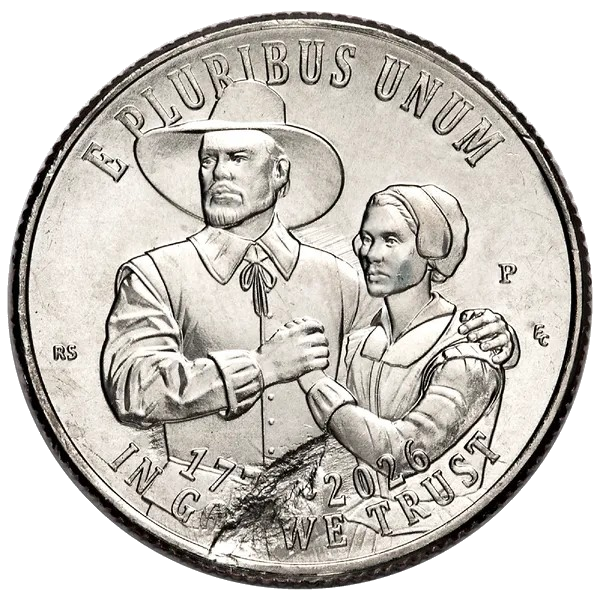
A recently discovered strike-through error on a 2026 Mayflower quarter — new varieties and errors are found on both classic and modern coins.
Step 1: Discovery
New varieties are discovered by collectors, dealers, and researchers examining coins under magnification. The most common discovery scenarios:
- Cherry-picking at coin shows or shops — Variety specialists examine coins for sale, looking for unattributed varieties that the seller hasn't noticed
- Searching rolls and bags — Coin roll hunters and bag searchers examine hundreds or thousands of coins from bank-wrapped rolls
- Re-examining certified coins — Sometimes a variety is hiding on a coin already in a PCGS or NGC holder, unrecognized by the original submitter
- Systematic die study — Researchers examining every die pair used for a particular date and mint mark, comparing coins to identify unique die characteristics
Step 2: Documentation
Before submitting a potential new variety for attribution, the discoverer needs to document it thoroughly:
- High-resolution photographs of the variety (the doubled element, repunched mintmark, die crack, etc.)
- Photographs of die markers — other characteristics on the same die that help identify coins struck from it
- Comparison with known varieties to confirm it isn't already listed
- Identification of the error/variety class (DDO, DDR, RPM, MPD, etc.)
Step 3: CONECA Attribution
CONECA (Combined Organizations of Numismatic Error Collectors of America) is the primary organization that catalogs and assigns official numbers to die varieties. Their process involves two distinct services:
Examination: A CONECA examiner diagnoses what type of error or variety the coin exhibits. Examiners are diagnosticians — they determine the class, type, and characteristics of the variety.
Attribution: A CONECA attributer compares the submitted variety against the Master List of known varieties to find a match. If no match exists, the coin is flagged as a potential new listing.
For a new listing to be approved, three CONECA attributers must examine it. The majority opinion determines whether the variety receives a new CONECA Master List (CML) number. The Lead Attributer — appointed by the CONECA President and approved by the Board of Directors — has final approval authority.
Step 4: The Wexler Files and Other Catalogs
Beyond CONECA, several other cataloging systems track die varieties:
- The Wexler Doubled Die Files — Maintained for decades by John Wexler at doubleddie.com, this is the most widely referenced doubled die catalog. Wexler retired from his Coin World "Varieties Notebook" column in February 2023, and Tanner Scott has taken over management of the files.
- The Cherrypickers' Guide — By Bill Fivaz and J.T. Stanton, this reference catalogs varieties worth a premium and assigns FS (Fivaz-Stanton) numbers used by PCGS and NGC on their holders.
- VamWorld — The Van Allen-Mallis catalog for Morgan and Peace dollar die varieties, with its own numbering system.
- Coppercoins.com — Sheldon variety attributions for early U.S. large cents.
What Makes a Variety Worth Cataloging?
Not every die anomaly gets a catalog number. CONECA and other organizations apply standards:
- Doubled dies must show hub doubling (not machine/strike doubling, which has no collector premium)
- RPMs must show a clear secondary mintmark impression from a separate punch
- Die cracks and breaks are generally cataloged only when they're significant enough to be distinctive (major cuds, bisecting cracks, etc.)
- The variety must be reproducible — since it's a die characteristic, every coin struck from that die will show it
Anyone Can Discover a New Variety
You don't need to be an expert to find something new. Many significant discoveries have been made by collectors who simply looked carefully at their coins. The tools you need:
- A 10x-20x loupe or USB microscope
- Access to variety references (NumisDex, Wexler files, Cherrypickers' Guide)
- Patience and systematic examination
- A willingness to submit finds to CONECA or a knowledgeable attributer for confirmation
Start by examining your own collection. The next new discovery might already be in your hands.
Explore the NumisDex catalog to see over 72,000 attributed varieties and errors.
Explore in the NumisDex Catalog
Related varieties and errors from the NumisDex database:
0 Replies
Related Threads
- Rosa Parks Commemorative Coins: HR 916 Would Honor a Civil Rights Icon0 replies · 2mo ago
- Olympic Coins for LA 2028 and Salt Lake City 2034: S. 2265 Explained0 replies · 2mo ago
- The End of the Penny: What HR 4459 (MINT Act) Means for Collectors0 replies · 2mo ago
- The $2.50 Coin Is Coming Back: What Collectors Need to Know About HR 56160 replies · 2mo ago
- U.S. Mint Releasing 250,000 Special "July 4th" Privy Mark Declaration of Independence Quarters0 replies · 2mo ago