
Gold Neared $5,600 and Silver Topped $121: How Record Precious Metal Prices Are Reshaping Coin Values
The Metal Underneath the Coin
In January 2026, precious metals hit extraordinary highs. Gold reached $5,589 per ounce on January 28, and silver spiked to an all-time nominal record of $121.62 per ounce on January 29 — shattering the previous 1980 high of approximately $49.95. While both have since corrected significantly (gold to approximately $4,200 and silver to approximately $67-68 as of June 2026), the implications for coin collecting are profound and lasting.
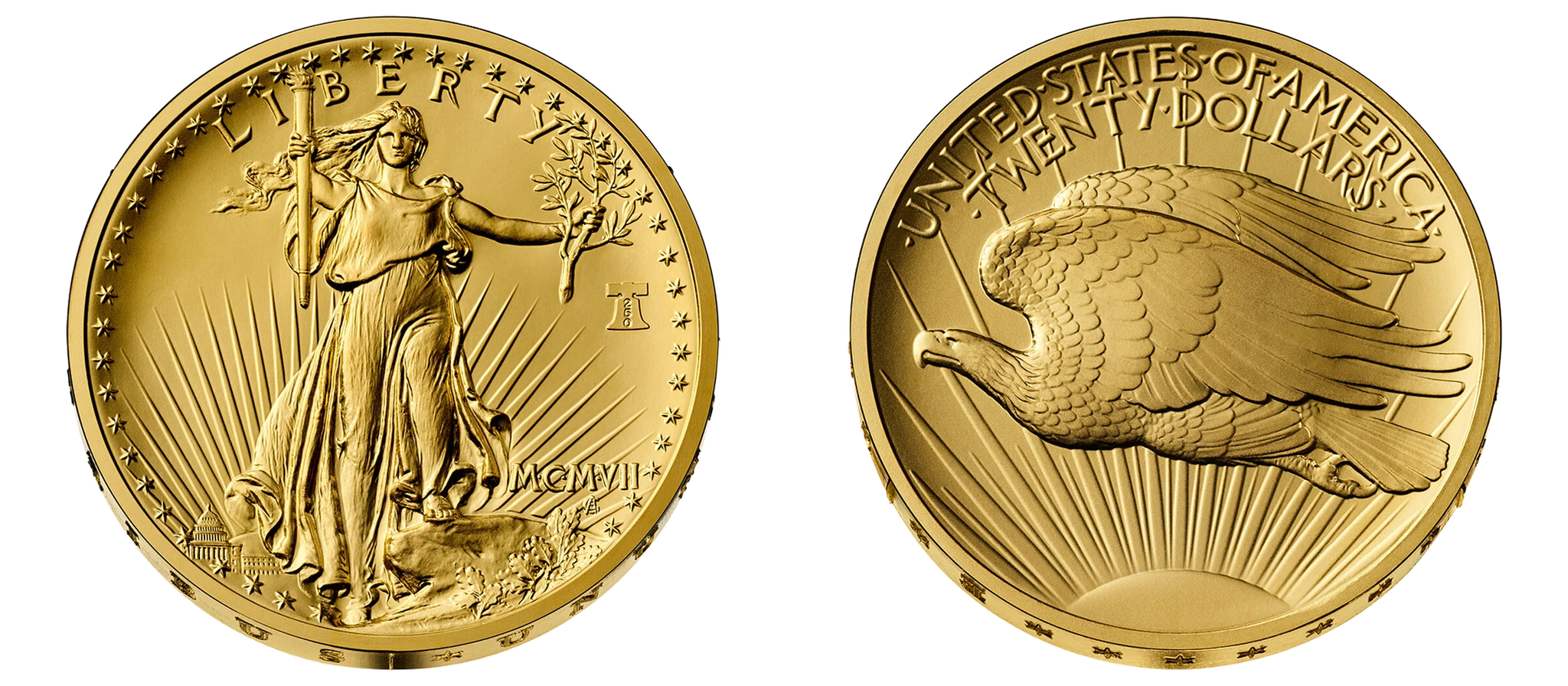
The Saint-Gaudens Double Eagle — containing nearly a full ounce of gold. View in the NumisDex catalog.
What Happened to Silver
Silver's ascent was dramatic. After surging 147% through 2025, it spiked to $121.62 on January 29, 2026 — driven by industrial demand (solar panels, AI infrastructure, electronics), investment demand, and persistent supply deficits. Then it crashed. In roughly 30 hours between January 29 and 30, silver plunged over 30%, dropping from $121 to below $75.
Even at the corrected June 2026 price of approximately $67-68 per ounce, silver remains well above historical norms. For context, silver averaged around $20-25 per ounce from 2015 to 2023.
How Metal Prices Affect Coin Values
Every coin containing gold or silver has two value components: numismatic premium (collector value based on rarity, grade, and demand) and melt value (the intrinsic value of the precious metal). The relationship between these two components varies dramatically:
| Coin Type | Metal Content | Melt @ $67/oz Silver | Typical Collector Value |
|---|---|---|---|
| Common-date Morgan Dollar | 0.7734 oz silver | ~$51.82 | $55-70 (VF-XF) |
| Key-date Morgan (e.g., 1893-S) | 0.7734 oz silver | ~$51.82 | $5,000+ (VG) |
| Common $20 Liberty Gold | 0.9675 oz gold | ~$4,070 (@$4,200 gold) | $4,200-4,500 (XF) |
| Key-date $20 Gold (e.g., 1927-D) | 0.9675 oz gold | ~$4,070 | $100,000+ (any grade) |
For common-date coins, melt value now represents 75-95% of the coin's total worth. For key dates and rarities, melt value is a rounding error.
Who Benefits and Who Doesn't
- Sellers of common silver benefit. A circulated Morgan dollar that was worth $25 in 2020 is now worth $55+ purely on metal content.
- Buyers of common silver pay more — but they're getting proportional metal value. The numismatic premium on common dates has actually compressed.
- Rare coin values are less affected. A coin worth $50,000 on numismatic merit doesn't change much whether its melt value is $15 or $50.
- Bullion collectors benefit directly. American Silver Eagles, Gold Eagles, and modern bullion coins track metal prices closely.
The Drivers Behind the Rally
- Central bank gold purchases: Sovereign wealth funds have been accumulating gold at record rates
- Industrial silver demand: Solar panel production, AI data center buildouts, and electronics manufacturing are consuming physical silver faster than mines can produce it
- Geopolitical uncertainty: Trade tensions, sanctions, and currency instability drive demand for hard assets
- Inflation hedging: Both metals are traditional stores of value during inflationary periods
Explore Morgan Dollars, Walking Liberty Half Dollars, and American Silver Eagles in the NumisDex catalog.
0 Replies
Related Threads
- Rosa Parks Commemorative Coins: HR 916 Would Honor a Civil Rights Icon0 replies · 2mo ago
- Olympic Coins for LA 2028 and Salt Lake City 2034: S. 2265 Explained0 replies · 2mo ago
- The End of the Penny: What HR 4459 (MINT Act) Means for Collectors0 replies · 2mo ago
- The $2.50 Coin Is Coming Back: What Collectors Need to Know About HR 56160 replies · 2mo ago
- U.S. Mint Releasing 250,000 Special "July 4th" Privy Mark Declaration of Independence Quarters0 replies · 2mo ago