
1955 Doubled Die Obverse WDDO-001
Error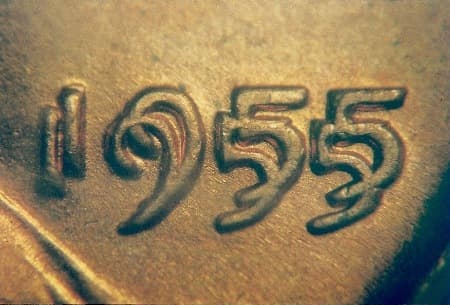
Description
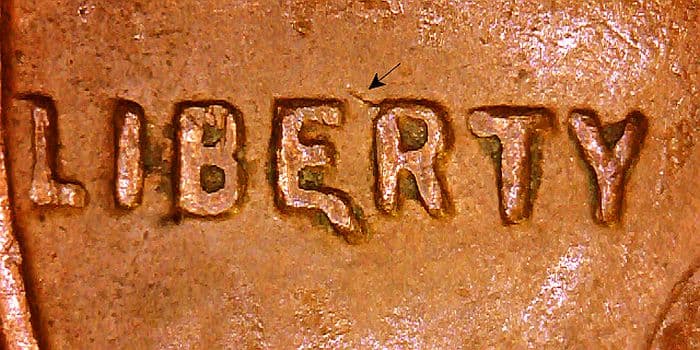
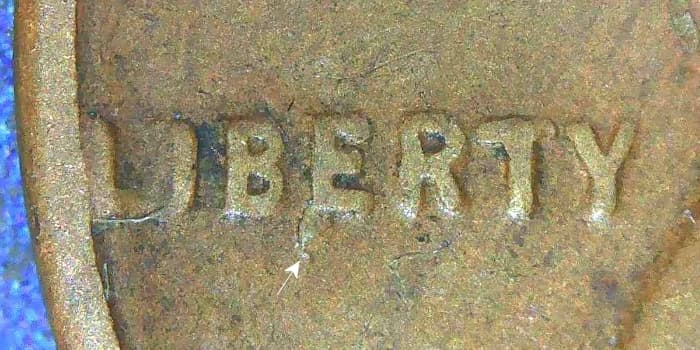
An extremely strong Class I CCW spread shows on the letters of IGWT, LIBERTY, the date, Lincoln’s eyelid, bowtie, coat, and hair. Die Markers: Obverse Stage A: A small die gouge can be found above and between the E and R of LIBERTY. Obverse Stage B: The Stage A die marker is gone. Numerous die abrasion lines run from NNW to SSE to the right of the profile and through the 19 in the date. A long die scratch runs NW from the top left of the Y in LIBERTY. Reverse Stage A: Two die scratches run south from the horizontal crossbar of the T in CENT just to the left of the vertical bar of the T. A die scratch runs north from the bottom right C of CENT. A die scratch runs north from the bottom right E of CENT. A die scratch runs NNW from the top of the F in OF. Two parallel die scratches run north to south between the lower I and C of AMERICA. Reverse Stage B: The two die scratches running south from the horizontal crossbar of the T in CENT are still visible. The other Stage A markers are gone. Numerous die abrasion lines run from SSW through NNE throughout the central left side of the reverse. A strong die scratch runs NNE from the top right of the D in UNITED. Cross-referenced as CONECA: 1-O-I, Cherrypickers: FS-01-1955-101 (021.
Attribution History
- CONECA: 1-O-I, Cherrypickers: FS-01-1955-101 (021.8), Breen: #2214, Crawford: CDDO-001, Coppercoins: 1955P-1DO-001 Comments: This is the undisputed "King" of all doubled die varieties. After all of these years you wouldn't think that something new could be learned about this variety, but thanks to Richard Snow we now know that there are actually two stages of this variety. Apparently at some point during the die run the dies clashed, were removed from the coining press to abrade the dies in an attempt to remove the die clash marks, and then the dies were returned to the coining press to continue production. We know that the doubled die was eventually discovered and removed from production. Was the doubled die discovered at the time that the dies were abraded, but put back into production until a foreman could come to inspect the error? There was an extremely heavy demand for cents at this time so it is possible that this was a factor in putting the die back into production before a foreman inspected the coins and ordered the die removed from use. If this is the case, the abraded; Wexler Variety ID: 1955 1¢ WDDO-001
- Expert attribution by Wexler Team
External References
Community & Reference
Related Errors



More Doubled Die Obverse Errors
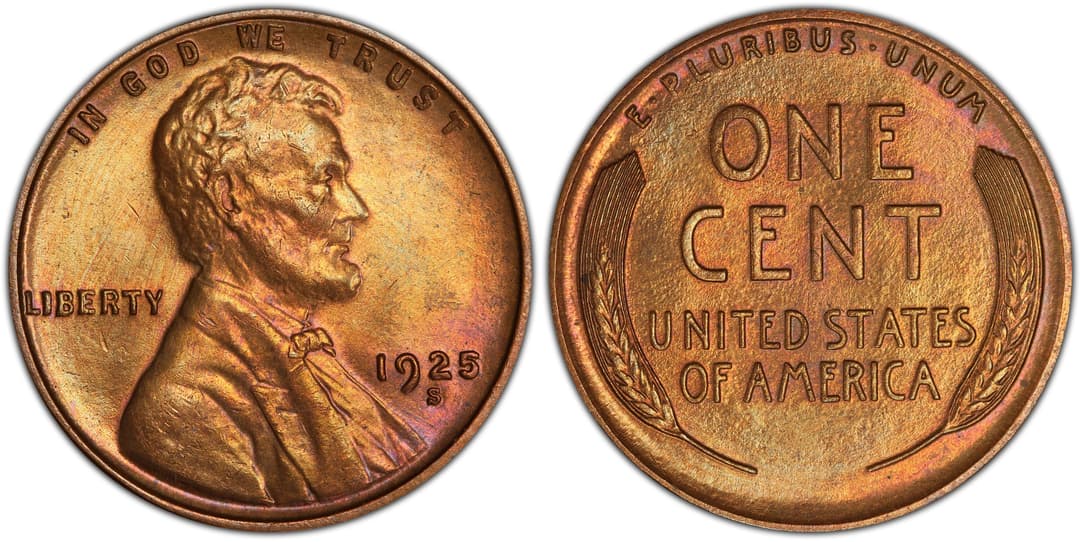
1925-S Doubled Die Obverse DDO-001
Doubled Die Obverse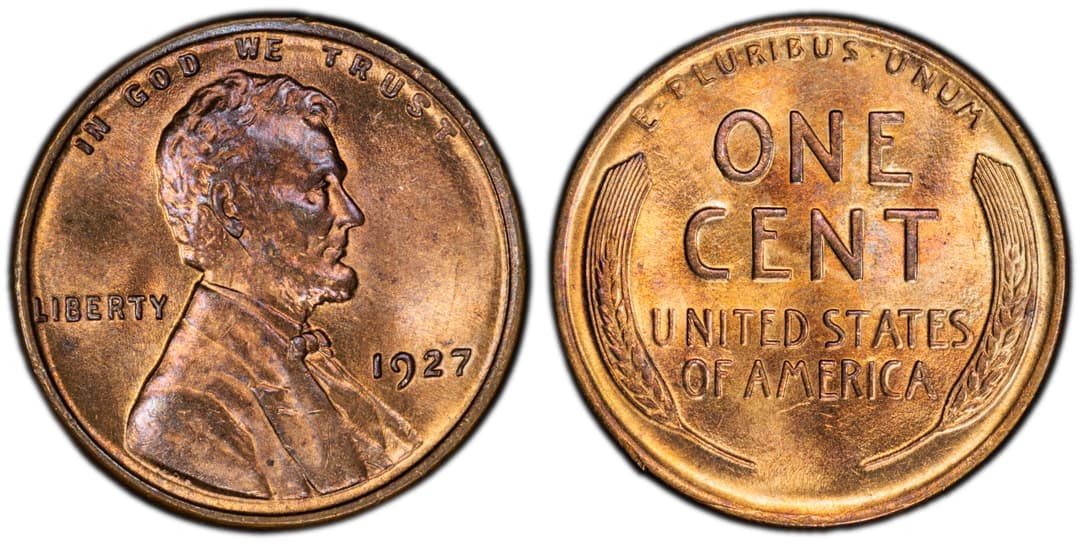
1927 Doubled Die Obverse DDO-001
Doubled Die Obverse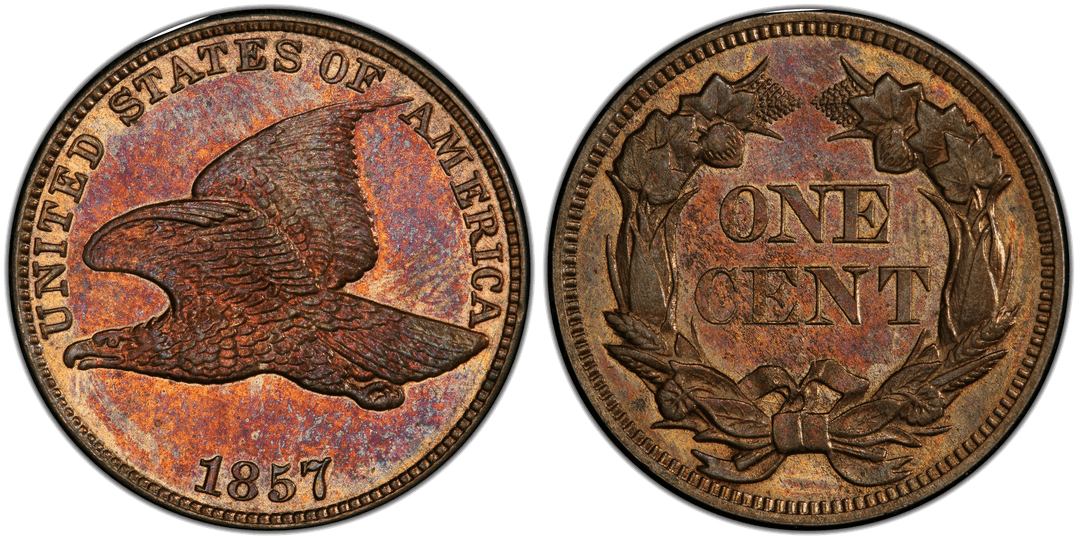
1857 Proof Flying Eagle Cent Doubled Die Obverse FS-401 Snow-5
Doubled Die Obverse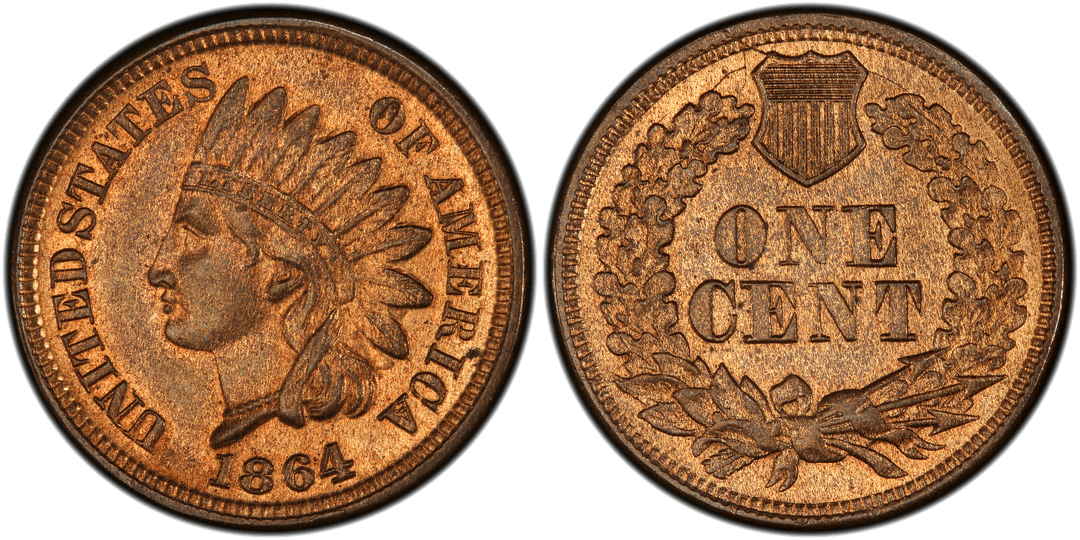
1864 Indian Head Cent (Bronze No L) Doubled Die Obverse FS-1101 Snow-4
Doubled Die Obverse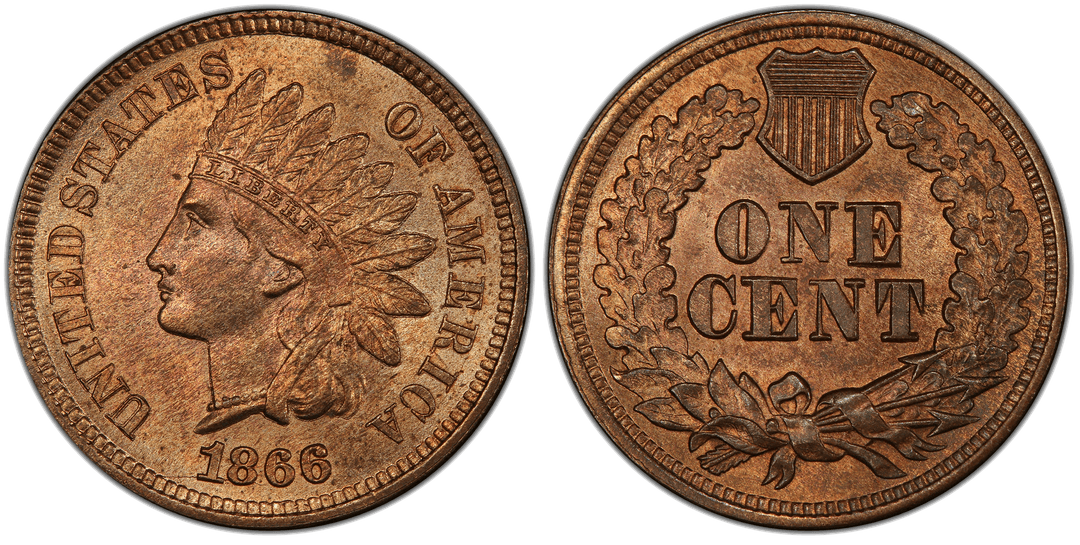
1866 Indian Head Cent Doubled Die Obverse FS-101 Snow-1
Doubled Die ObverseCollector Essentials
Tools for examining and preserving error coins and die varieties.
10x-20x Jeweler's Loupe
Essential for examining die varieties, doubled dies, and RPMs
Cherry Picker's Guide
The definitive reference for U.S. error coins and die varieties
2x2 Coin Flips & Holders
Protect and organize your finds with archival-quality holders
USB Digital Microscope
Capture detailed images for documentation and community submissions
As an Amazon Associate, NumisDex earns from qualifying purchases.