
1902 Barber Dime
Base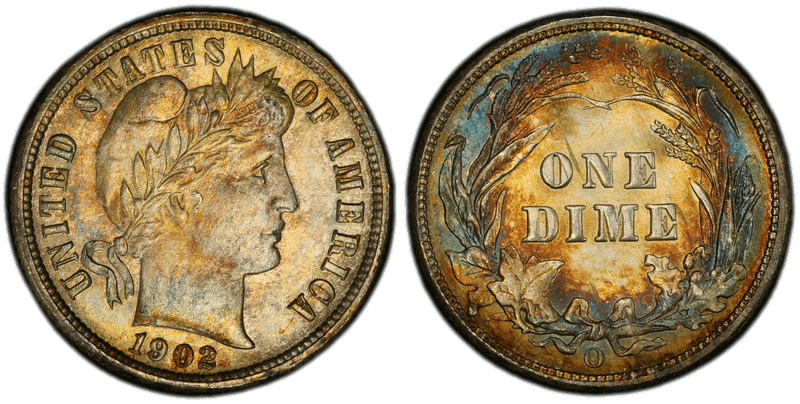
About This Coin
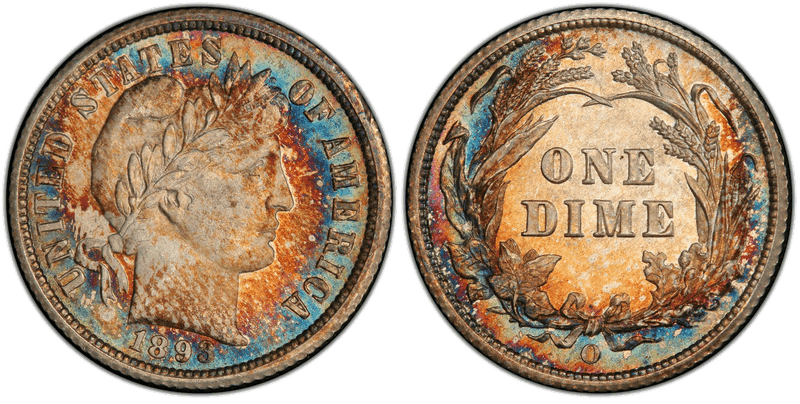
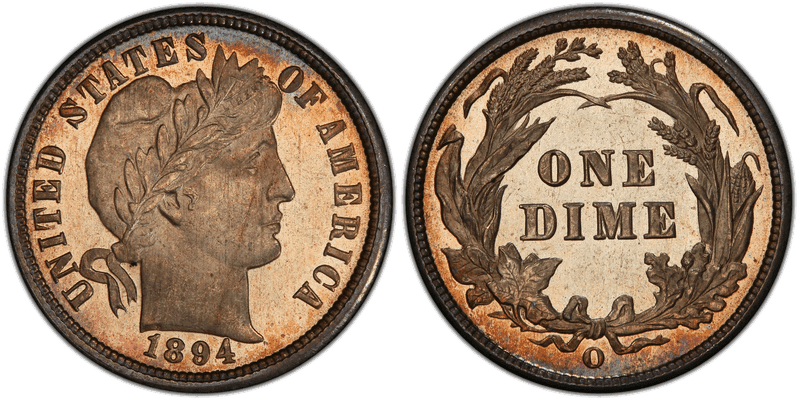
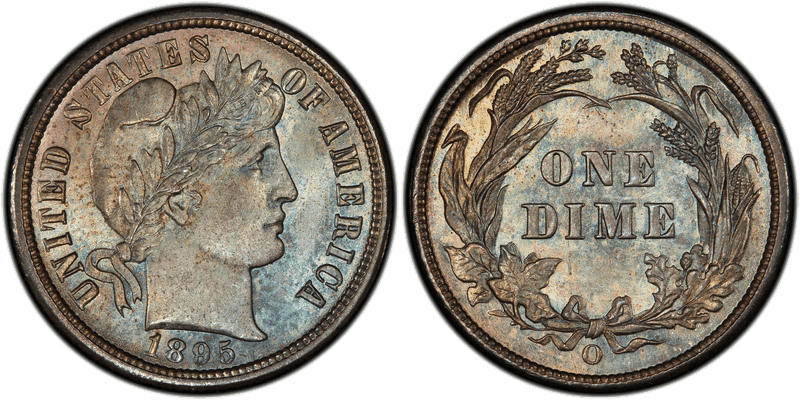
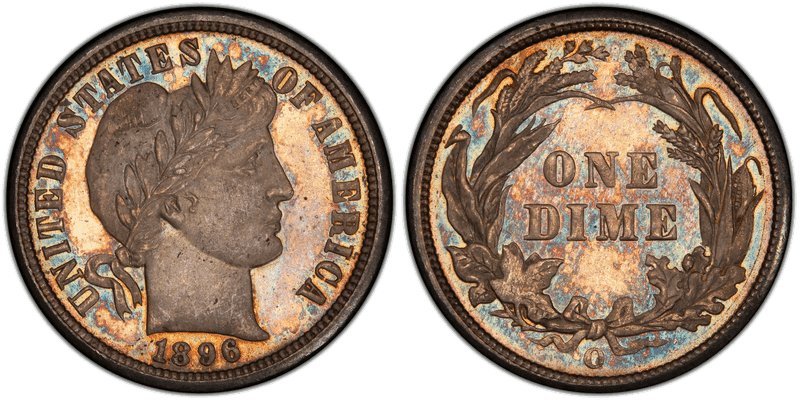
The 1902 Barber Dime is a United States dime from the Barber Dimes 1892-1916 series — 11th of 25 years in the series. In 1902, coins were struck at the Philadelphia, New Orleans, and San Francisco Mints with a combined mintage of 28.0 million. This ranks 18th of 25 years by total mintage, above the series median of 23.1 million. The obverse features Liberty facing right wearing a Phrygian cap topped by a laurel wreath, with the word LIBERTY on a headband and the reverse displays an agricultural wreath of corn, wheat, oak, and maple enclosing the words ONE DIME. Produced during the Progressive Era, when President Theodore Roosevelt championed a renaissance in American coin design that produced some of the most beautiful coins ever struck. Struck in 90% silver, 10% copper, weighing 2.5 grams, 17.9 mm in diameter, with a reeded edge. Produced 8 years after the celebrated 1894 key date. Across its variants, estimated values range from $13 to $968 depending on mint mark, grade, and strike type. A notable auction result reached $21K in MS67+ grade at Legend Rare Coin Auctions. Designed by Charles E. Barber.
Value Estimates
Values as of May 2026 — range across all strike types, reflecting typical grades (G-4 through MS-63). Coins in lower or exceptional grades may fall outside this range.
Specifications
Strike Types & Varieties(4)
1902 (O) Barber Dime
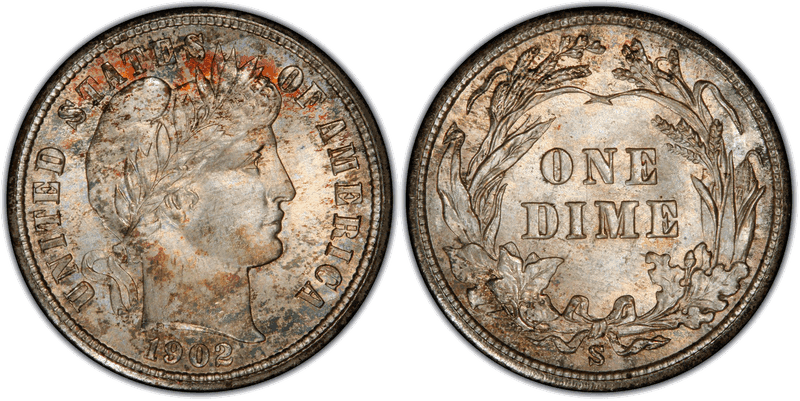
1902 (S) Barber Dime

1902 Barber Dime
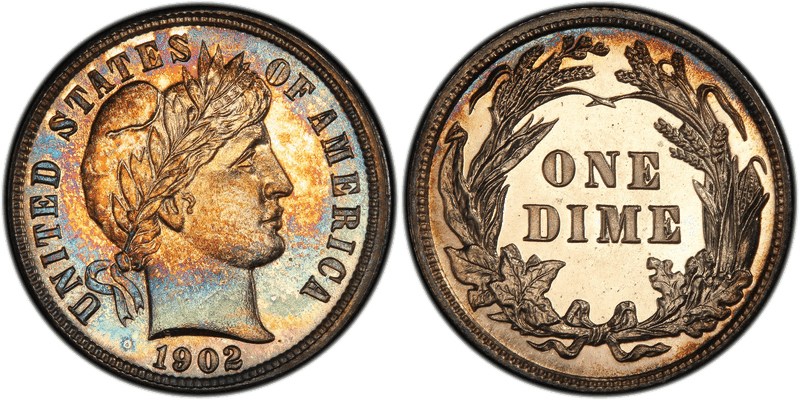
1902 Proof Barber Dime
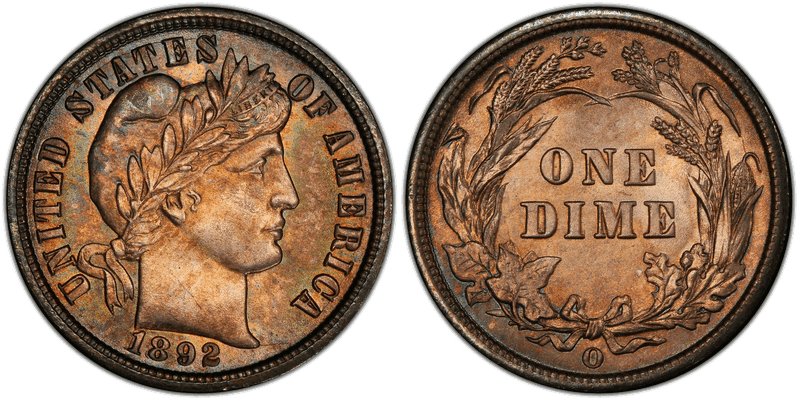
Other Base Coins in This Series

Collector Essentials
Tools and references for building and protecting your coin collection.
10x-20x Jeweler's Loupe
A must-have for examining coin details, mint marks, and surface quality
Red Book — Guide to U.S. Coins
The essential annual reference for U.S. coin values, history, and mintages
Coin Albums & Storage
Archival-quality albums and holders to protect and display your collection
USB Digital Microscope
Capture detailed images for documentation and community submissions
As an Amazon Associate, NumisDex earns from qualifying purchases.