
RCD-1c-1880-01R Retained Cud
Error
Description
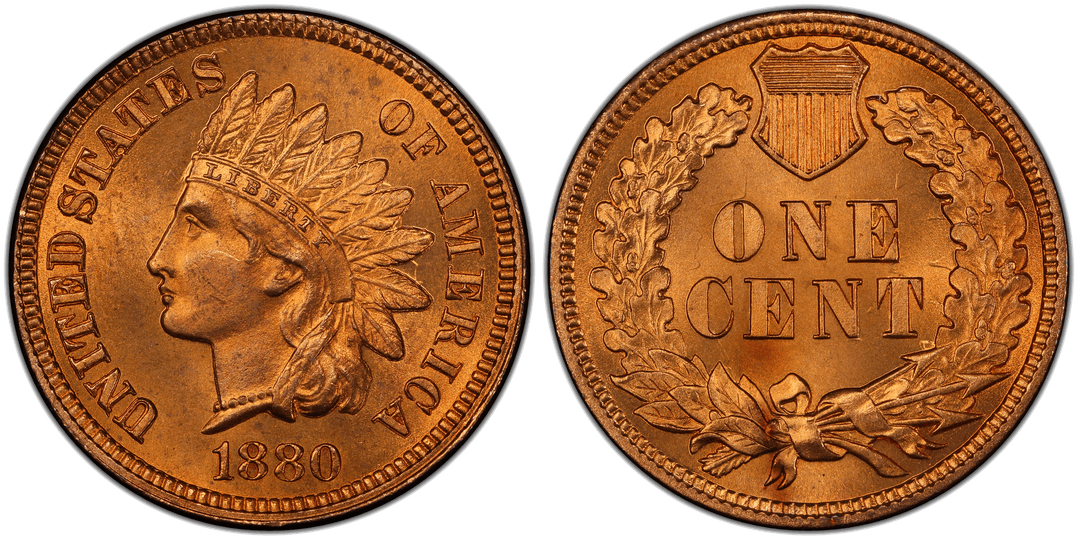
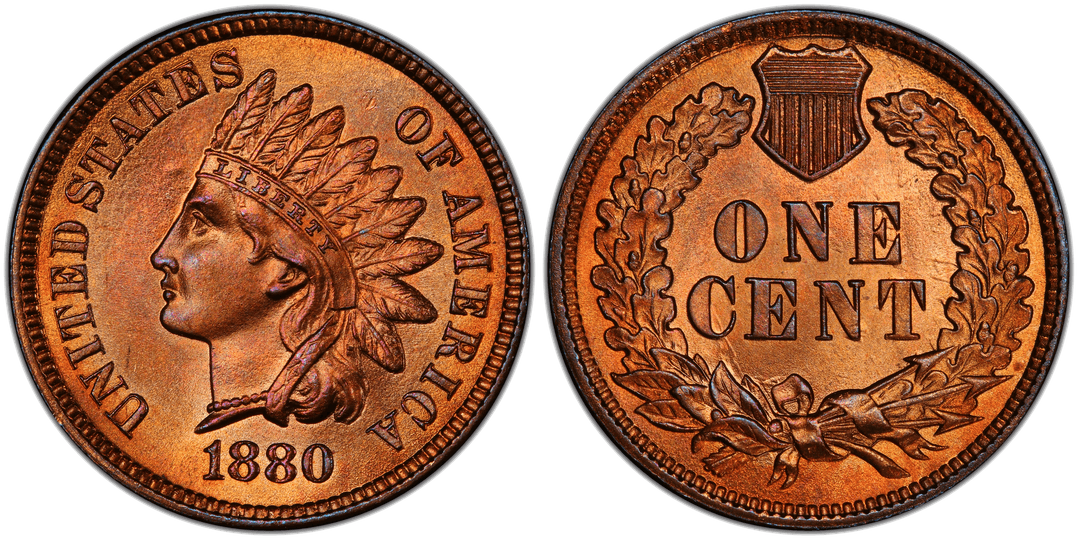
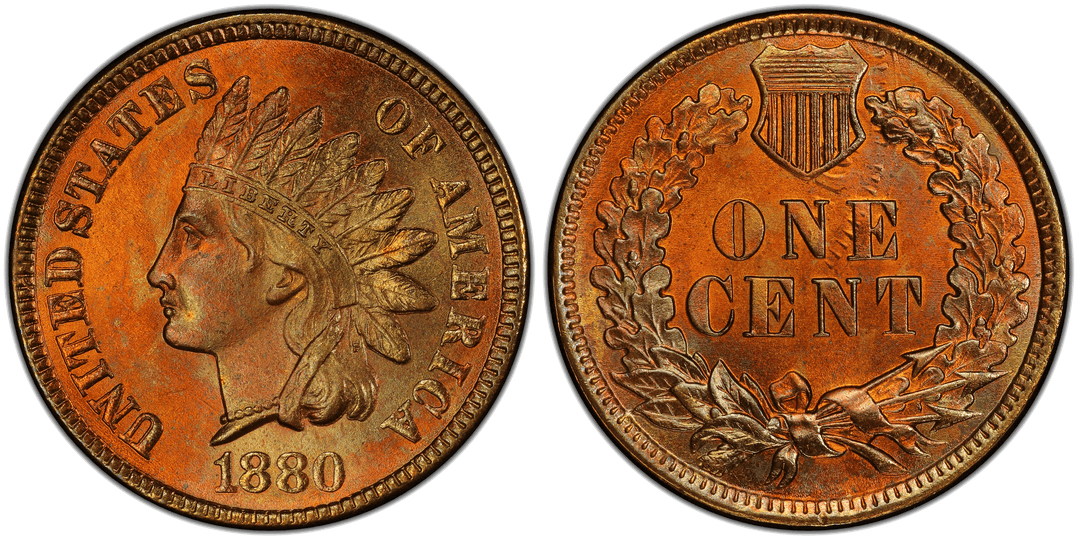
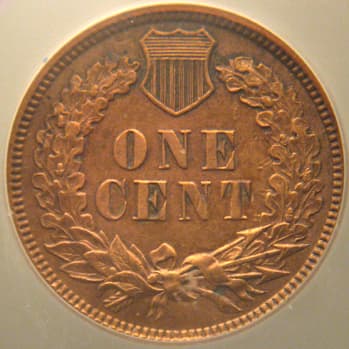
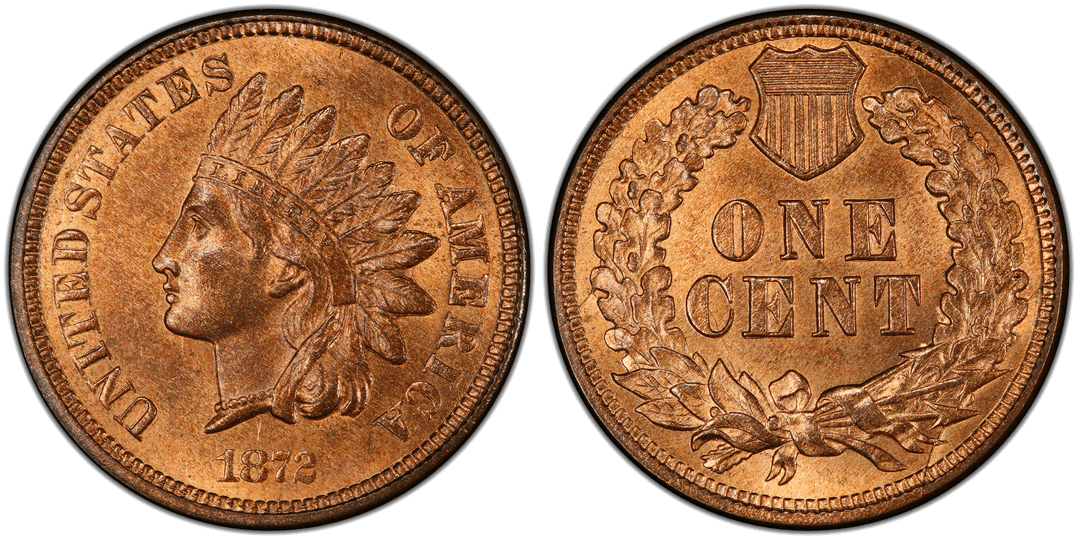
Cataloged by Cuds on Coins, the RCD-1c-1880-01R documents the first reverse retained cud identified for the 1880 Indian Head Cent — a date from the early years of a production surge that would characterize the 1880s decade. Retained cuds occur when a die fractures at the rim and the broken section remains in position during striking, creating a distinctive raised crack outline on coins with partially preserved design detail in the affected area. The "01R" designation places this as both the first cataloged retained cud for the date and a reverse die variety, appearing on James B. Longacre's oak wreath design. The 1880 Indian Head Cent was struck at the Philadelphia Mint with a mintage of approximately 38.9 million pieces, a significant increase over the lower-mintage years of the 1870s that reflected growing commercial demand for small-denomination coinage. Reverse retained cuds on Indian Head Cents affect the wreath's detailed leaf and berry elements along the rim, and the severity ranges from subtle crack outlines to dramatically raised areas depending on how far the die fragment separated during the failure.
Attribution History
- Discovered by Fred Weinberg
- Expert attribution by Cuds on Coins
External References
Community & Reference
Related Errors
More Retained Cud Errors
Collector Essentials
Tools for examining and preserving error coins and die varieties.
10x-20x Jeweler's Loupe
Essential for examining die varieties, doubled dies, and RPMs
Cherry Picker's Guide
The definitive reference for U.S. error coins and die varieties
2x2 Coin Flips & Holders
Protect and organize your finds with archival-quality holders
USB Digital Microscope
Capture detailed images for documentation and community submissions
As an Amazon Associate, NumisDex earns from qualifying purchases.