
(1876) White Metal Medal Julian CM-11d, Philadelphia Centennial Exposition
Strike Type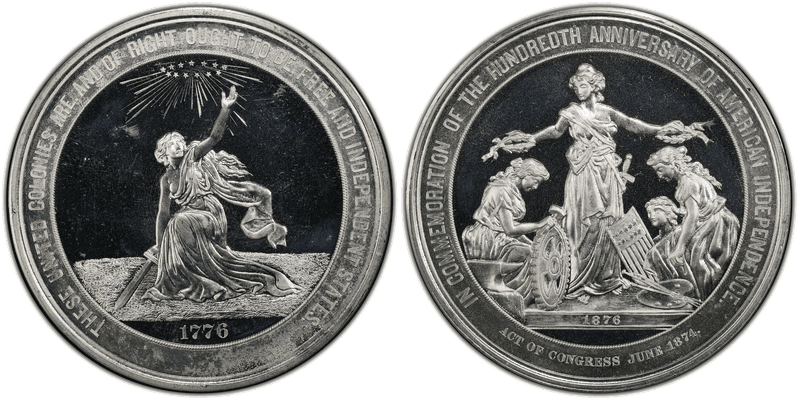
Coin Details
Auction Record
$552 MS64 11-21-2023 Stack's Bowers
Description
White metal commemorative medal struck for the International Exhibition of Arts, Manufactures and Products of the Soil and Mine, known as the Philadelphia Centennial Exposition (1876), which celebrated the centennial of American independence and was the first official World's Fair held in the United States. The Exposition opened May 10, 1876 in Fairmount Park, Philadelphia, and attracted nearly ten million visitors over its six-month run. Catalogued by Julian as CM-11d, this variety is cross-referenced as HK-22a in the Hibler and Kappen So-Called Dollar catalog, reflecting its dollar-sized format and commemorative character. William Barber, Chief Engraver of the U.S. Mint from 1869 to 1879, designed the primary Centennial medals featuring Liberty and allegorical motifs evoking America's first century of independence. Only approximately three examples of this specific variety are known, placing it among the rarest pieces in the Centennial medal family. Diameter approximately 58mm.
Rarity Notes
Extremely rare — only approximately three examples known. The Julian CM-11d / HK-22a is one of the rarest varieties among Philadelphia Centennial Exposition medals. The combination of its so-called dollar classification, extreme rarity within the broader Centennial medal series, and its 1876 historical significance makes this a key rarity for specialist collectors of exposition numismatica and so-called dollars alike.
Cross References
Julian CM-11d; HK-22a
External References
Error Varieties
No listings found
This category doesn't have any child listings yet.
Other Strike Types in This Series
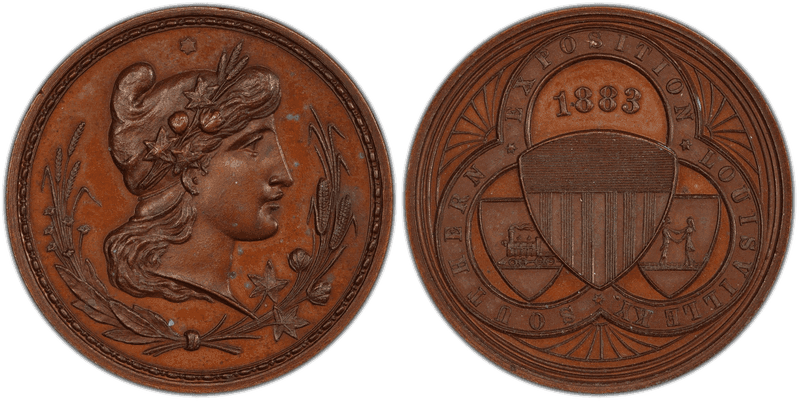
(1883) Bronze Medal Rulau Ky-Lo-33A, Southern Exposition
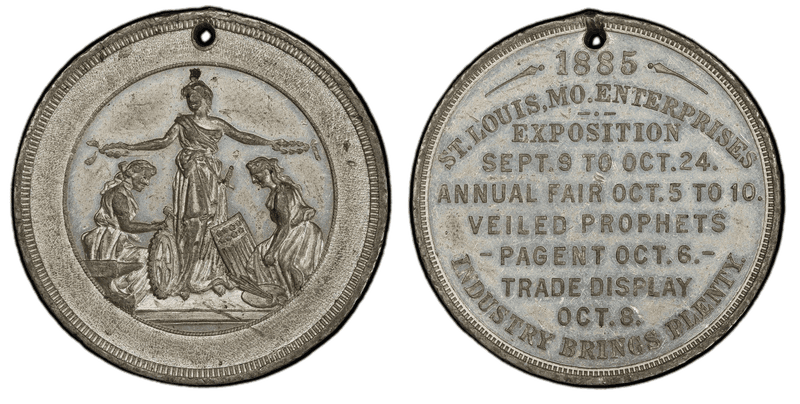
(1885) White Metal Medal Rulau MO-Sl-C25, St. Louis Enterprises Exposition
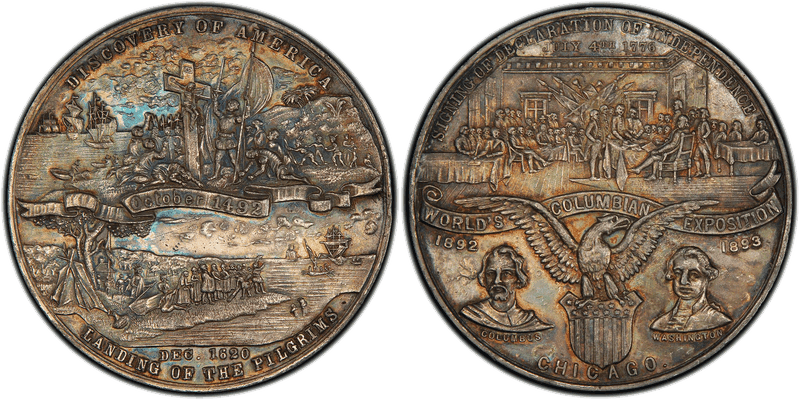
(1892-93) Medal Elgit-36a White Metal World's Columbian Expo
(1892-93) Medal Elgit-90 Bronze Sociedad Rural Argentina
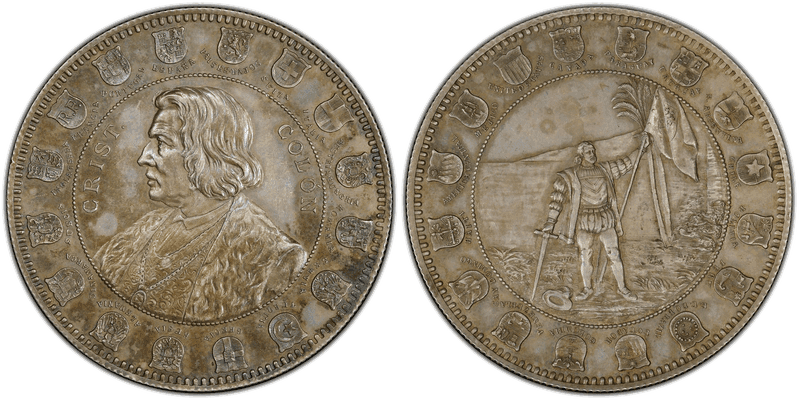
(1892-93) Medal World's Columbian Expo Silver CRIST. COLON - Shields
(1893) Medal Eglit-53 Silver 38mm Col. Geo R Davis
Collector Essentials
Tools and references for building and protecting your coin collection.
10x-20x Jeweler's Loupe
A must-have for examining coin details, mint marks, and surface quality
Red Book — Guide to U.S. Coins
The essential annual reference for U.S. coin values, history, and mintages
Coin Albums & Storage
Archival-quality albums and holders to protect and display your collection
USB Digital Microscope
Capture detailed images for documentation and community submissions
As an Amazon Associate, NumisDex earns from qualifying purchases.