
1867 Cent Die Trial - J-A1867-4, Reverse
Strike Type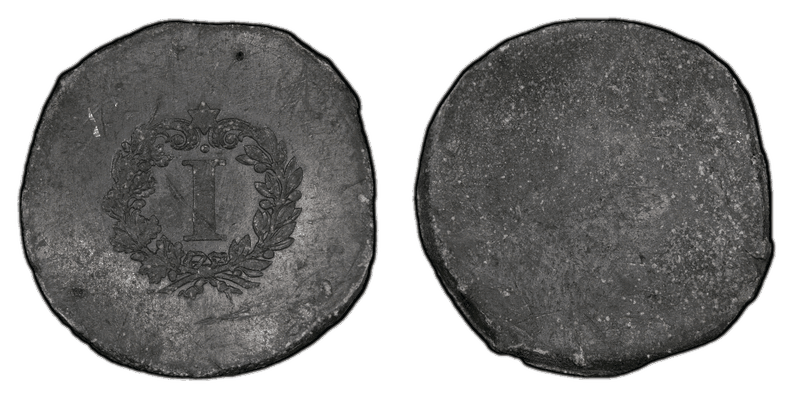
Coin Details
Auction Record
$2,160 MS62 08-20-2019 Stack's Bowers
Description
This reverse die trial of an 1867 Indian Head cent captures the wreath side of one of America's most beloved coin designs in isolation. The reverse features James Barton Longacre's oak wreath with a small shield at the top, enclosing the denomination "ONE CENT" — the design introduced in 1860 when the wreath was changed from a laurel to an oak motif and the shield was added as a patriotic emblem during the years leading up to the Civil War. Struck from only the reverse die, this uniface impression allowed Mint technicians to examine the die's condition and detail without the interference of an obverse strike. The Indian Head cent was one of the Mint's highest-volume products during this period, with 9,821,000 business strikes produced in 1867, and maintaining die quality was essential to sustaining that output. By examining a single-die impression, engravers could detect hairline cracks, areas of weakness, or deterioration that might not be immediately apparent on a fully struck two-sided coin. The 1867 date falls during the post-Civil War era when cents were still struck in the copper-nickel alloy adopted in 1859 — the change to bronze composition would not come until 1864. Die trials of the Indian Head cent are scarce for any date, and reverse-only impressions offer a uniquely detailed view of Longacre's wreath design.
Rarity Notes
Very rare. Reverse die trials of Indian Head cents are seldom encountered, with most dates known in only one or two specimens.
Cross References
Judd-A1867-4
External References
Error Varieties
No listings found
This category doesn't have any child listings yet.
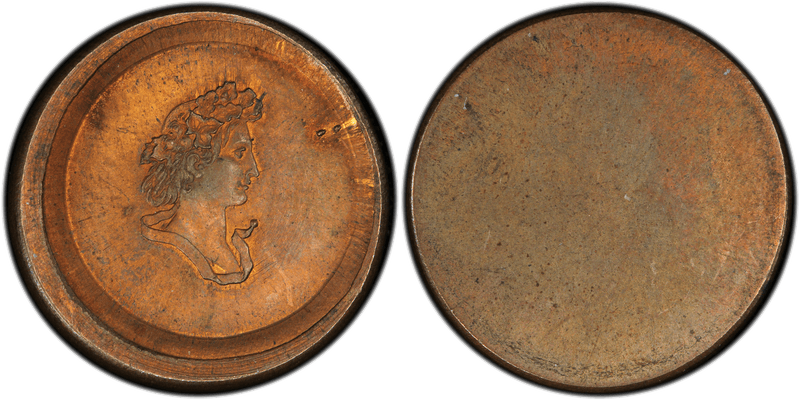
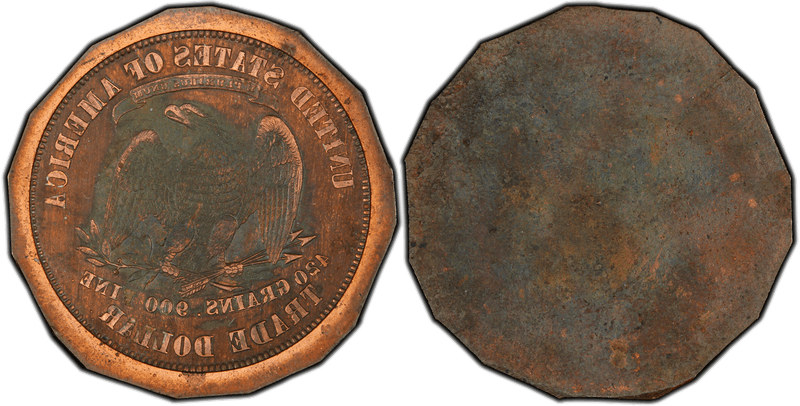
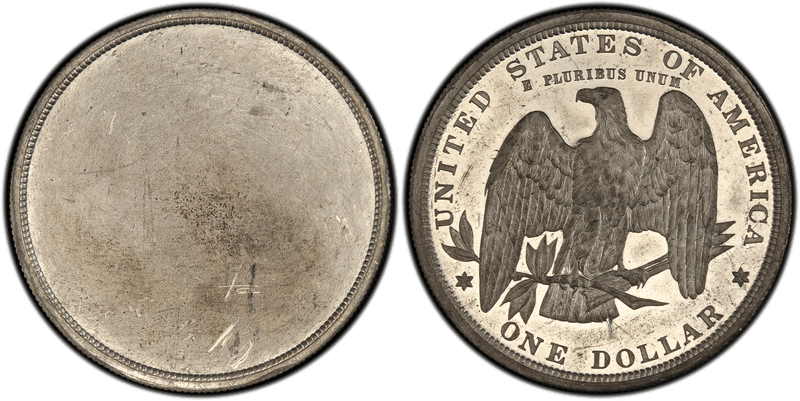
Related Strike Types in This Denomination
Collector Essentials
Tools and references for building and protecting your coin collection.
10x-20x Jeweler's Loupe
A must-have for examining coin details, mint marks, and surface quality
Red Book — Guide to U.S. Coins
The essential annual reference for U.S. coin values, history, and mintages
Coin Albums & Storage
Archival-quality albums and holders to protect and display your collection
USB Digital Microscope
Capture detailed images for documentation and community submissions
As an Amazon Associate, NumisDex earns from qualifying purchases.