
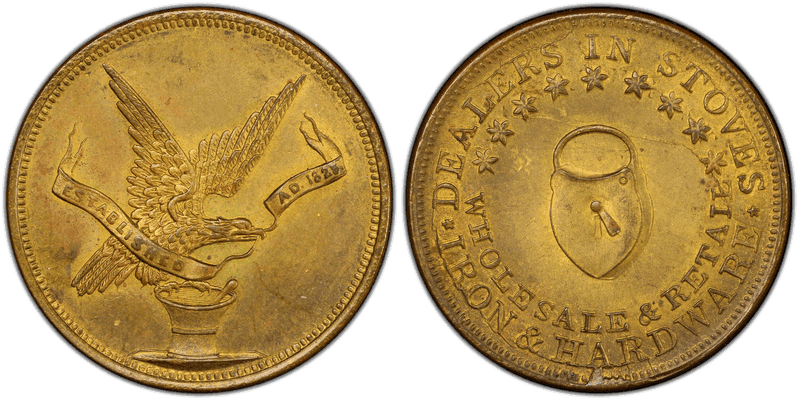
(1857) Token Miller Ohio-70 German Silver W.B. Chapman
Strike Type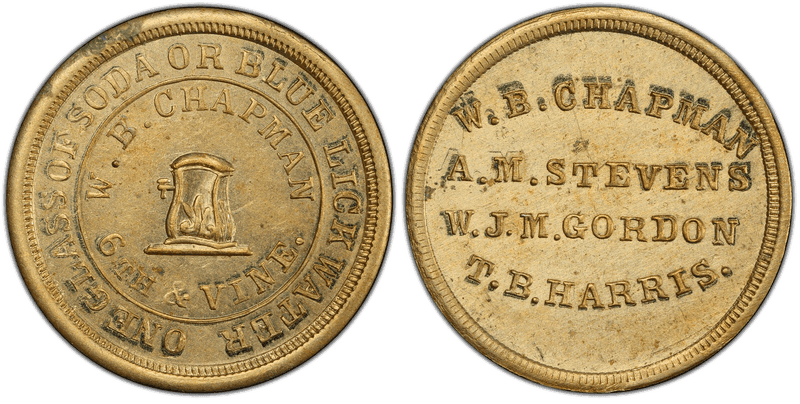
Coin Details
Description
W.B. Chapman was an Ohio merchant whose German silver token (Miller Ohio-70) is notable for its unusual metal composition. German silver (a copper-nickel-zinc alloy with no actual silver content) was used for tokens that approximated the appearance of silver coins at a fraction of the cost. Ohio was a rapidly industrializing state in the 1850s, with Cincinnati, Cleveland, and Columbus growing as commercial centers. Chapman's token documents mercantile activity in a state that would become the third-most-populous in the Union by the time of the Civil War. This German silver (copper-nickel-zinc alloy) striking is scarcer than copper or brass versions. Struck in German silver (a copper-nickel-zinc alloy), this token has a bright silvery appearance despite containing no precious metal. The alloy was popular for tokens that needed to look more valuable than their base metal cost. Cataloged as Miller Ohio-70. This token type is part of a broader tradition of private American coinage stretching from colonial times through the Civil War era.
Rarity Notes
German silver (copper-nickel-zinc alloy) strikings are less common than copper or brass and are sought after for their distinctive silvery appearance.
Cross References
Miller Ohio-70
External References
Error Varieties
No listings found
This category doesn't have any child listings yet.
Other Strike Types in This Series
(1812) Token Miller Pa-344M White Metal R. Lovett Jr.
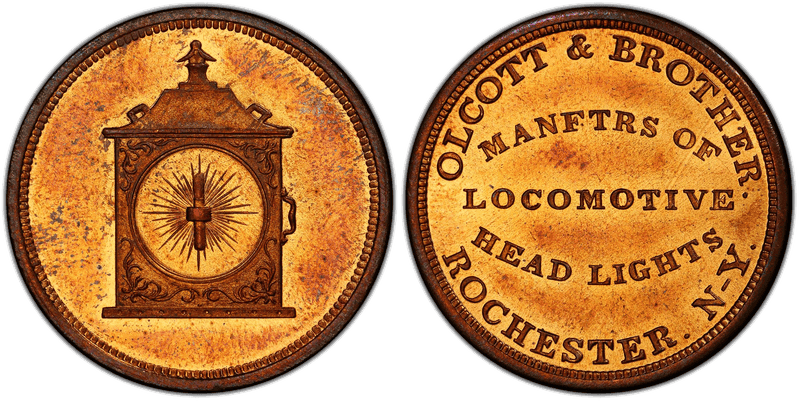
(1845-55) Token Miller NY-1019 Brass Olcott & Brother
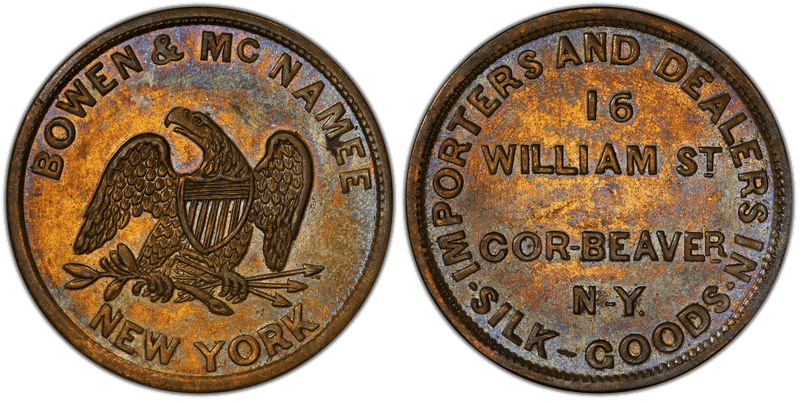
(1846-1850) Token Miller NY-77 Brass Bowen & McNamee
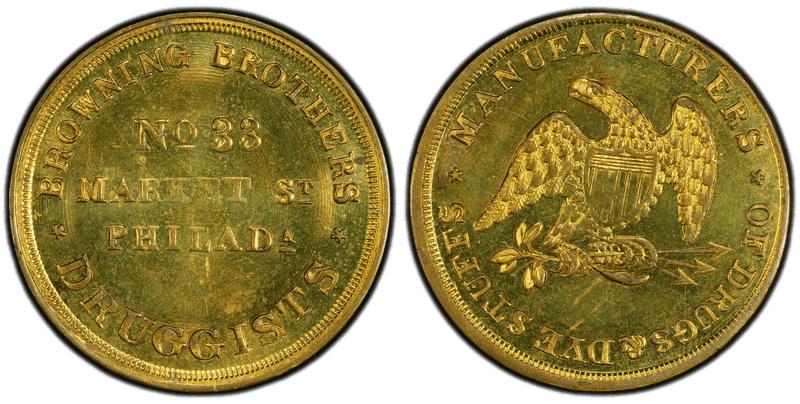
(1848-51) Token Miller Pa-59 Brass Browning Brothers
(1848-54) Token Miller Mich-10 Brass Foster & Parry
(1850's) Token Miller SC-3 & Mich-10 Brass Mule Haviland Stevenson / Foster & Parry
Collector Essentials
Tools and references for building and protecting your coin collection.
10x-20x Jeweler's Loupe
A must-have for examining coin details, mint marks, and surface quality
Red Book — Guide to U.S. Coins
The essential annual reference for U.S. coin values, history, and mintages
Coin Albums & Storage
Archival-quality albums and holders to protect and display your collection
USB Digital Microscope
Capture detailed images for documentation and community submissions
As an Amazon Associate, NumisDex earns from qualifying purchases.