
1803 Draped Bust Large Cent S-254 Retained Obverse Cud
Error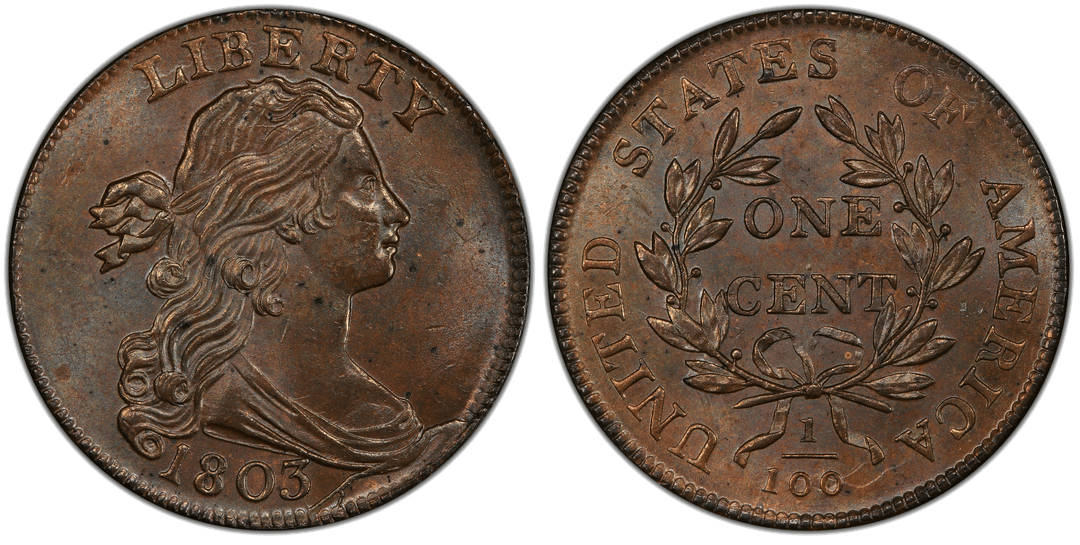
Description
On this 1803 Draped Bust large cent attributed to Sheldon die variety S-254, a retained cud is visible on the obverse, protruding from the bottom right of Liberty's bust. Retained cuds form when a piece of the die fractures along a crack line but does not fully detach — the broken fragment remains partially connected, creating a raised area on struck coins that combines cud-like characteristics (displaced field metal) with some retention of underlying design detail within the affected zone. The crack lines bordering the retained fragment are typically visible as raised ridges on the coin, tracing the fracture path through the die steel. Sheldon S-254 is one of numerous die marriages documented for the 1803 large cent, a date that saw substantial variety in die combinations due to the hand-engraving and individual die preparation methods of the early Federal Mint in Philadelphia. Robert Scot's Draped Bust design, first introduced in 1796, placed significant striking demands on dies because of the high-relief bust and detailed hair rendering, contributing to frequent die cracking and failure. The 1803 large cent is collected both as a date and as a die variety, with Sheldon numbers providing the primary attribution framework for early copper specialists who prize die cracks, breaks, and cuds as evidence of a die's production history.
Attribution History
- Discovered by NumisDexDealer
- Sheldon S-254
Community & Reference
Related Errors
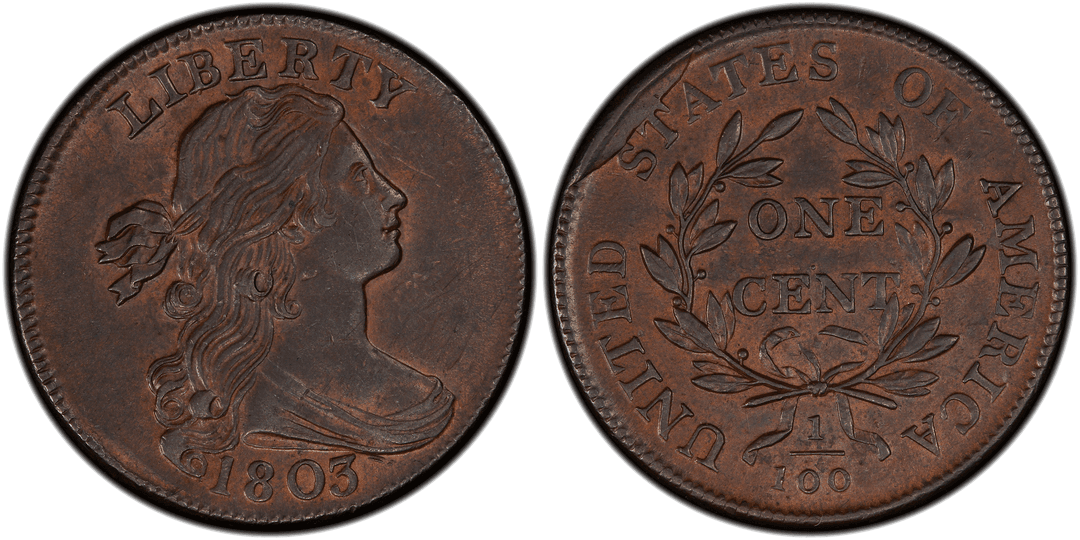
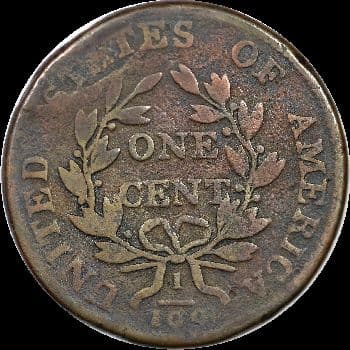
More Retained Cud Errors
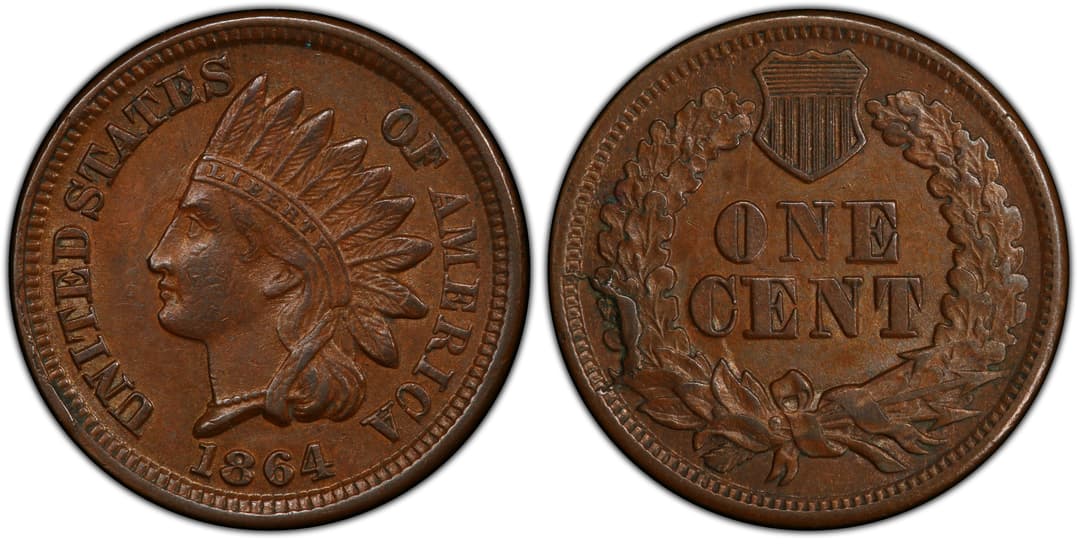
Collector Essentials
Tools for examining and preserving error coins and die varieties.
10x-20x Jeweler's Loupe
Essential for examining die varieties, doubled dies, and RPMs
Cherry Picker's Guide
The definitive reference for U.S. error coins and die varieties
2x2 Coin Flips & Holders
Protect and organize your finds with archival-quality holders
USB Digital Microscope
Capture detailed images for documentation and community submissions
As an Amazon Associate, NumisDex earns from qualifying purchases.