
1652 Threepence Oak Tree
Strike Type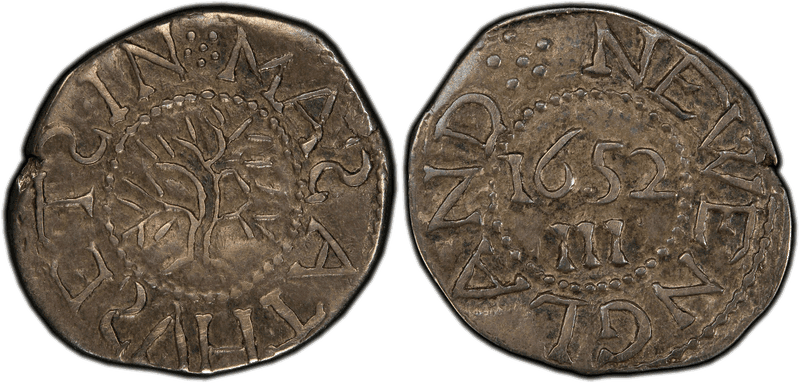
Coin Details
Description
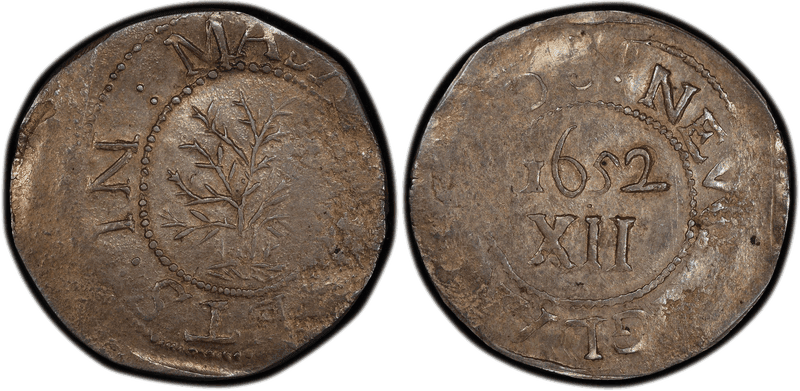
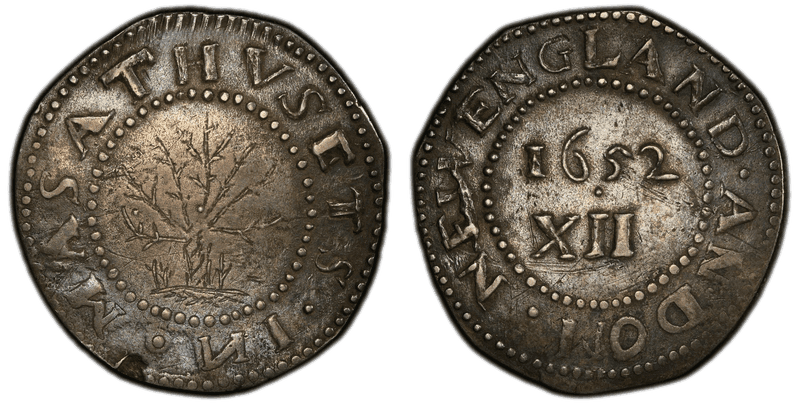
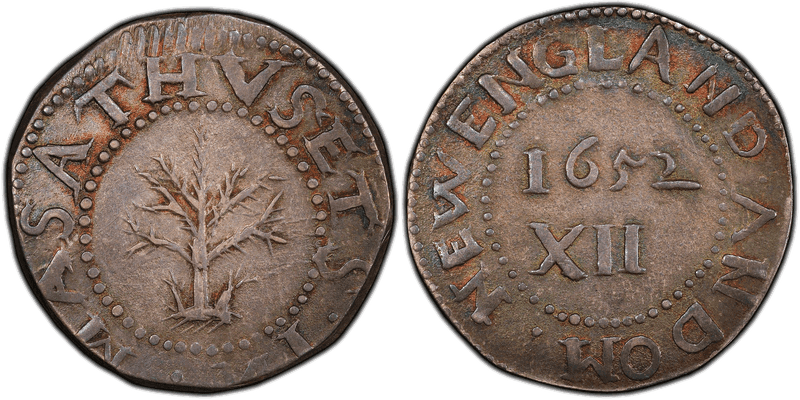
The Oak Tree threepence is the smallest silver denomination in the Oak Tree series, struck circa 1660 to 1667 at the Hull Mint in Boston. This tiny coin served as essential small change in the colonial New England economy, where imported English silver was perpetually in short supply and much of daily commerce operated on credit or barter. The obverse features a miniature version of the broad oak tree design within the legend MASATHVSETS IN. The reverse displays the Roman numeral III (three pence) at center, encircled by NEW ENGLAND AN DOM 1652. On such a small planchet — approximately 17 millimeters in diameter — the die engraver faced the challenge of fitting the full legend around the tree or denomination, and some letters may be weak or missing on individual specimens. The threepence was struck on planchets weighing approximately 18 grains (1.17 grams) of sterling silver. At this diminutive size, the coins were easily lost in daily handling, which partly accounts for their extreme scarcity today. The survival rate for Oak Tree threepences is dramatically lower than for shillings, following the universal numismatic pattern in which the smallest denominations of any coinage are the hardest to locate centuries later. Several die varieties are cataloged by Noe and Salmon, each representing a unique combination of individually prepared obverse and reverse dies. The Oak Tree threepence occupies an important position in the Massachusetts colonial series as it bridges the gap between the higher denominations that sustained major commerce and the twopence (introduced in 1662) that served the most basic transactional needs.
Rarity Notes
Very rare. Significantly scarcer than Oak Tree shillings. The small size made these coins highly susceptible to loss during circulation.
Cross References
Noe 1-3; Salmon; Whitman 315-325; Crosby
External References
Error Varieties
No listings found
This category doesn't have any child listings yet.
Other Strike Types in This Series
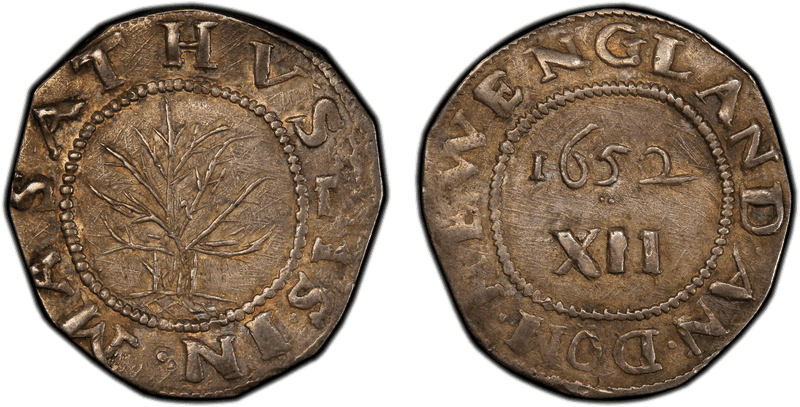
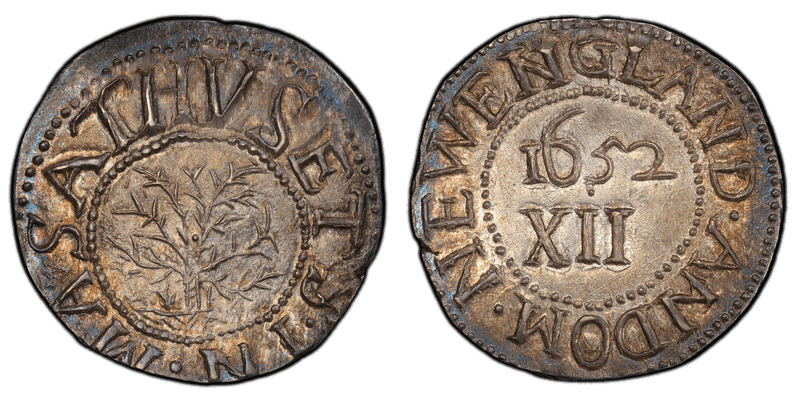
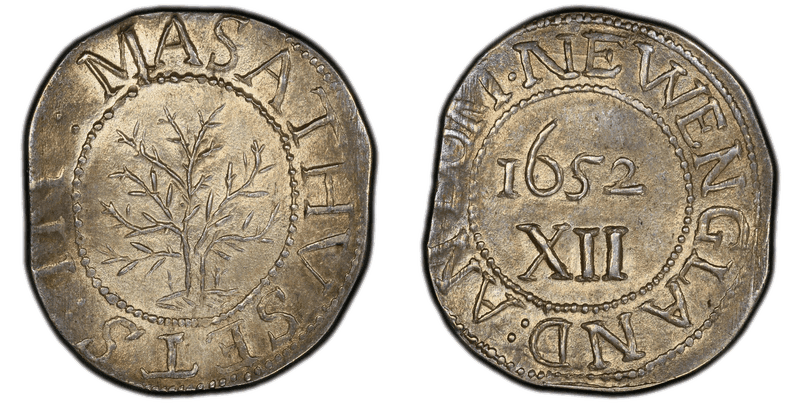
Collector Essentials
Tools and references for building and protecting your coin collection.
10x-20x Jeweler's Loupe
A must-have for examining coin details, mint marks, and surface quality
Red Book — Guide to U.S. Coins
The essential annual reference for U.S. coin values, history, and mintages
Coin Albums & Storage
Archival-quality albums and holders to protect and display your collection
USB Digital Microscope
Capture detailed images for documentation and community submissions
As an Amazon Associate, NumisDex earns from qualifying purchases.