
1652 Sixpence Oak Tree
Strike Type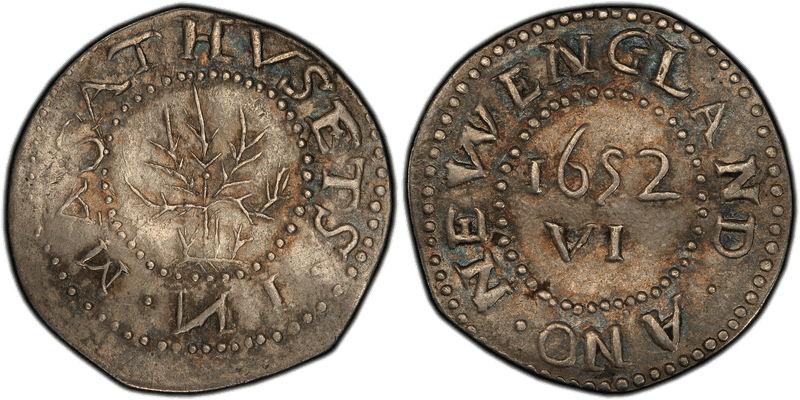
Coin Details
Description
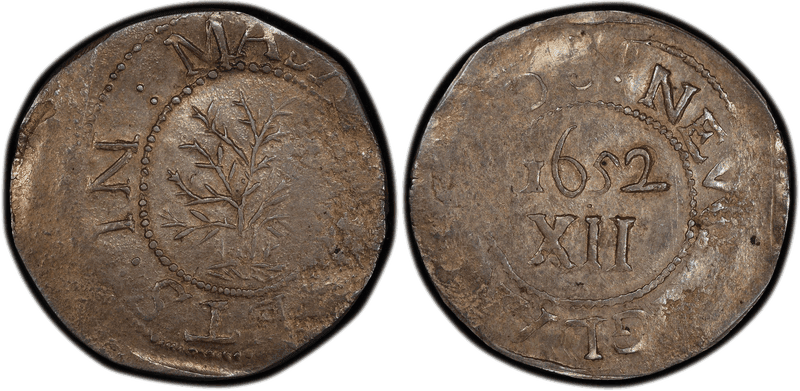
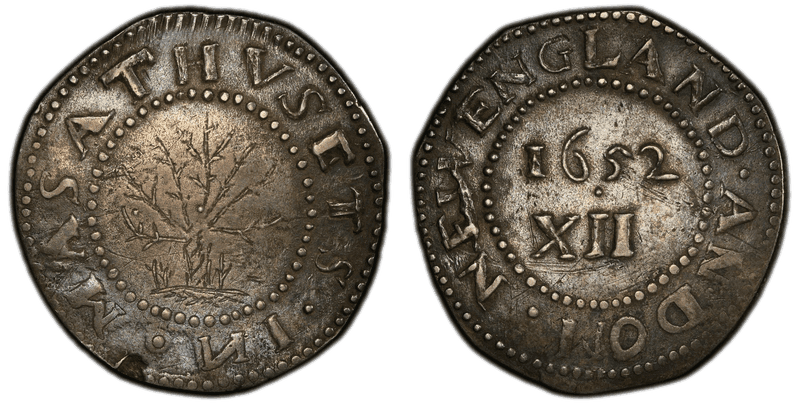
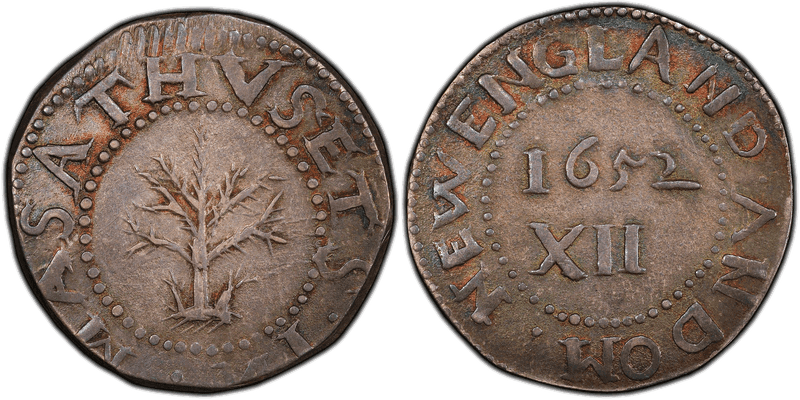
The Oak Tree sixpence is the primary half-shilling denomination in the Oak Tree series of Massachusetts Bay Colony silver, struck circa 1660 to 1667 at the Hull Mint in Boston. Smaller than the shilling but larger than the threepence, the sixpence served an important role in everyday colonial commerce where transactions at the shilling level were relatively uncommon for ordinary purchases. The obverse depicts the broad oak tree with spreading branches, surrounded by the legend MASATHVSETS IN. The reverse displays the Roman numeral VI (six pence) within a beaded inner circle, encircled by NEW ENGLAND AN DOM 1652. The fixed date 1652 appears on all Massachusetts colonial silver regardless of the actual year of production, honoring the date of the General Court's original coinage authorization. The sixpence was struck on planchets targeting 36 grains (2.33 grams) of sterling silver, half the weight of the shilling. Dies were prepared using the improved punch-and-hand-engraving techniques introduced during the Oak Tree period, resulting in more legible and consistent legends than the earlier Willow Tree coinage. Nevertheless, the hand-cut planchets and manual striking process ensure that each coin displays individual characteristics. Oak Tree sixpences are considerably scarcer than Oak Tree shillings, following the general pattern in colonial numismatics where smaller denominations survive in lower numbers. Several die varieties are recorded in the Noe catalog, each representing a distinct combination of obverse and reverse dies used during the approximately seven-year production period. Attribution requires careful examination of tree form, legend arrangement, and the configuration of the beaded borders.
Rarity Notes
Very rare. Significantly scarcer than Oak Tree shillings. Fewer than 75 examples are estimated to survive across all die varieties.
Cross References
Noe 1-4; Salmon; Whitman 330-345; Crosby
External References
Error Varieties
No listings found
This category doesn't have any child listings yet.
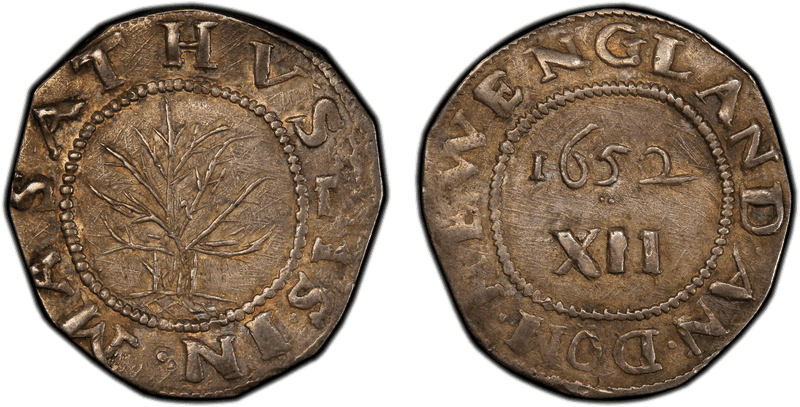
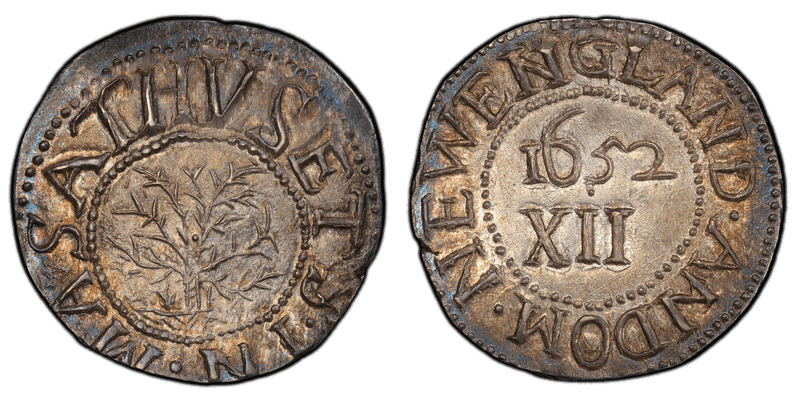
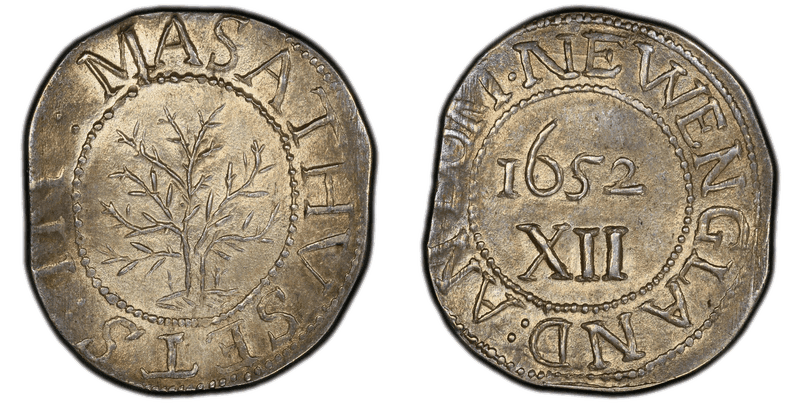
Other Strike Types in This Series
Collector Essentials
Tools and references for building and protecting your coin collection.
10x-20x Jeweler's Loupe
A must-have for examining coin details, mint marks, and surface quality
Red Book — Guide to U.S. Coins
The essential annual reference for U.S. coin values, history, and mintages
Coin Albums & Storage
Archival-quality albums and holders to protect and display your collection
USB Digital Microscope
Capture detailed images for documentation and community submissions
As an Amazon Associate, NumisDex earns from qualifying purchases.