
1652 Shilling Oak Tree
Strike Type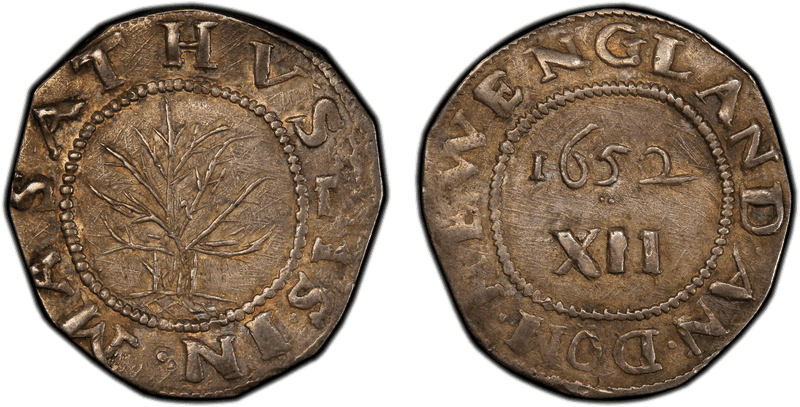
Coin Details
Description
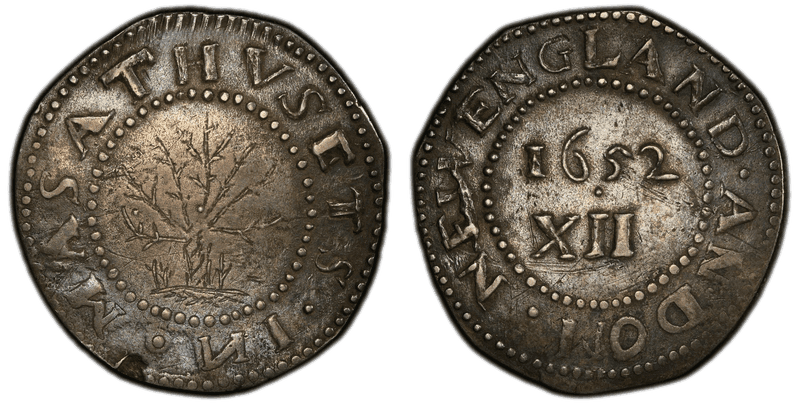
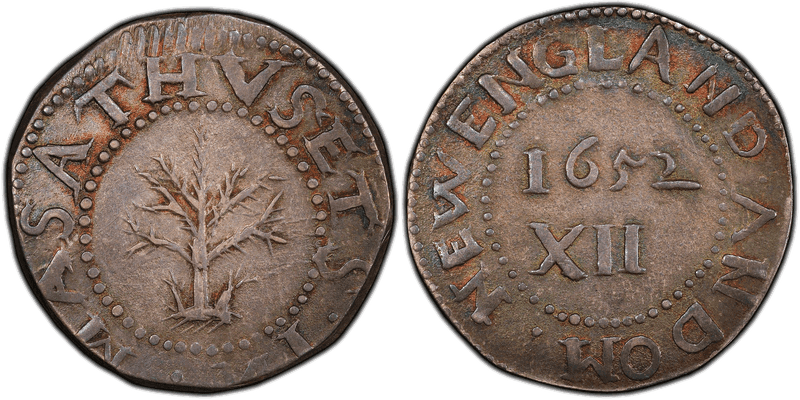
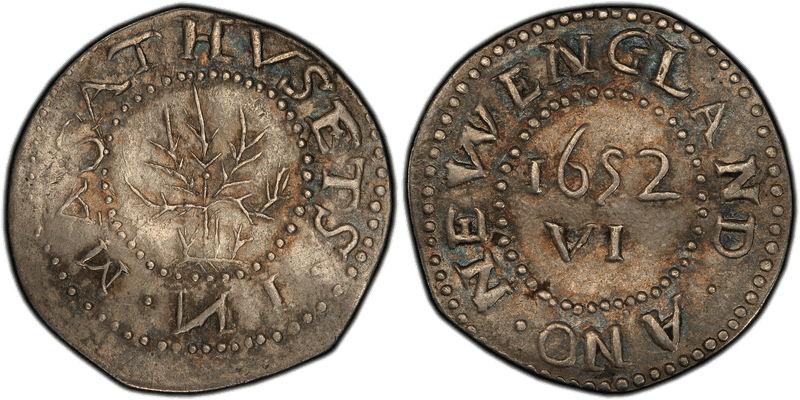
The Oak Tree shilling is the primary type coin of the second major design series in Massachusetts Bay Colony silver coinage, struck approximately 1660 to 1667 at the Hull Mint in Boston. Mintmaster John Hull and partner Robert Sanderson oversaw production using significantly improved die-making techniques compared to the earlier Willow Tree series. Letter punches were now employed to create more uniform inscriptions, though the tree itself continued to be hand-engraved into each die. The obverse features a broad, spreading oak tree with clearly defined branches and foliage, encircled by the legend MASATHVSETS IN. The reverse displays XII (twelve pence) within a double ring of beads, surrounded by NEW ENGLAND AN DOM 1652. As with all Massachusetts colonial silver, the date 1652 was retained throughout production, representing the year of the original legislative authorization rather than the actual year of coinage. Several die varieties are cataloged in the Noe reference, distinguished by differences in tree form, legend spacing, and minor details. The shilling was the workhorse denomination of the series, produced in greater quantities than the smaller fractions. Planchets were more regularly shaped than their Willow Tree predecessors, reflecting improved manufacturing methods, though they still display the characteristic irregularities of hand-hammered coinage. The Oak Tree design is traditionally associated with the Charter Oak of Connecticut legend, though there is no direct historical connection. The tree motif was chosen as a distinctly New England symbol to replace the austere NE punch mark of the first coinage, which proved too easy to counterfeit by clipping silver from the blank areas around the small central stamps.
Rarity Notes
Rare. Approximately 100-200 examples survive across all die varieties. The most available of the Oak Tree denominations, though still scarce by any standard.
Cross References
Noe 1-8; Salmon; Whitman 350-380; Crosby
External References
Error Varieties
No listings found
This category doesn't have any child listings yet.
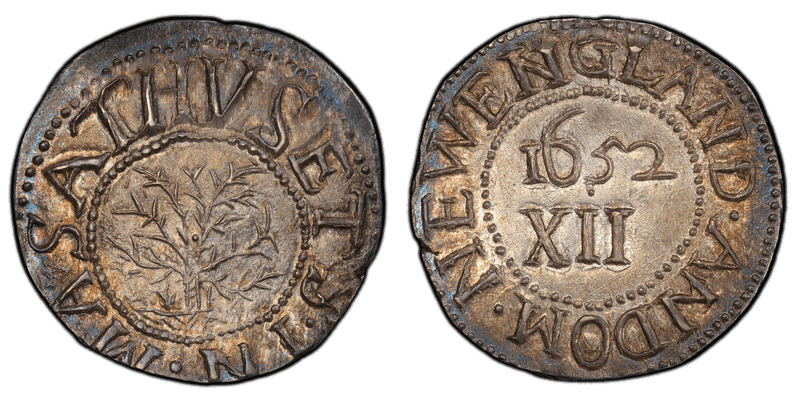
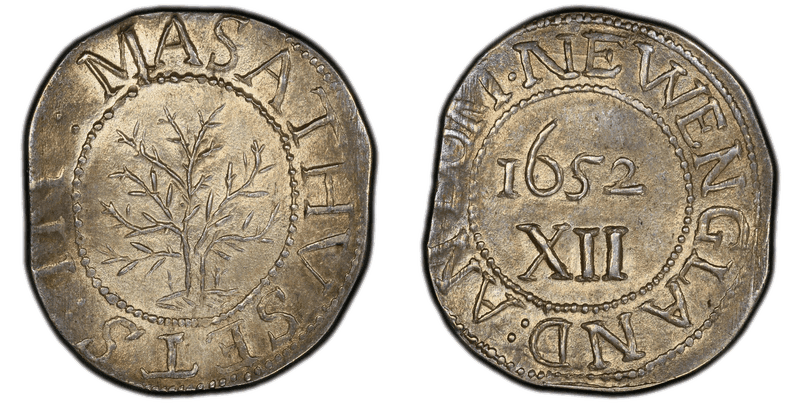
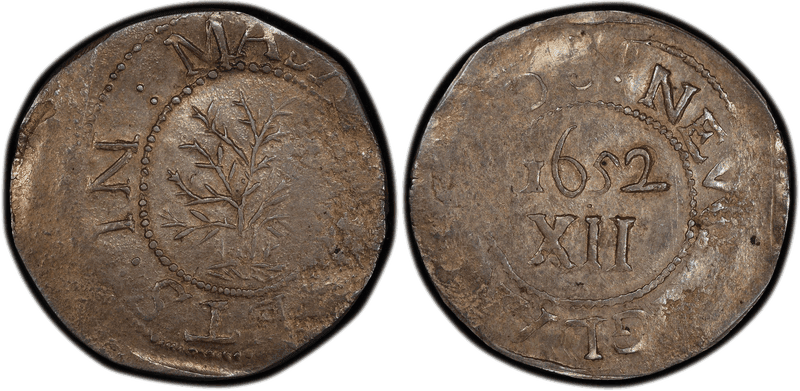
Other Strike Types in This Series
Collector Essentials
Tools and references for building and protecting your coin collection.
10x-20x Jeweler's Loupe
A must-have for examining coin details, mint marks, and surface quality
Red Book — Guide to U.S. Coins
The essential annual reference for U.S. coin values, history, and mintages
Coin Albums & Storage
Archival-quality albums and holders to protect and display your collection
USB Digital Microscope
Capture detailed images for documentation and community submissions
As an Amazon Associate, NumisDex earns from qualifying purchases.