
Colonial Coins: Money Before America Was America
The Coins That Built a Nation
Before the U.S. Mint opened in 1792, Americans used a chaotic mix of foreign coins, colonial issues, and private tokens. Colonial coinage tells the story of how individual colonies, states, and private entities solved the problem of circulating currency.
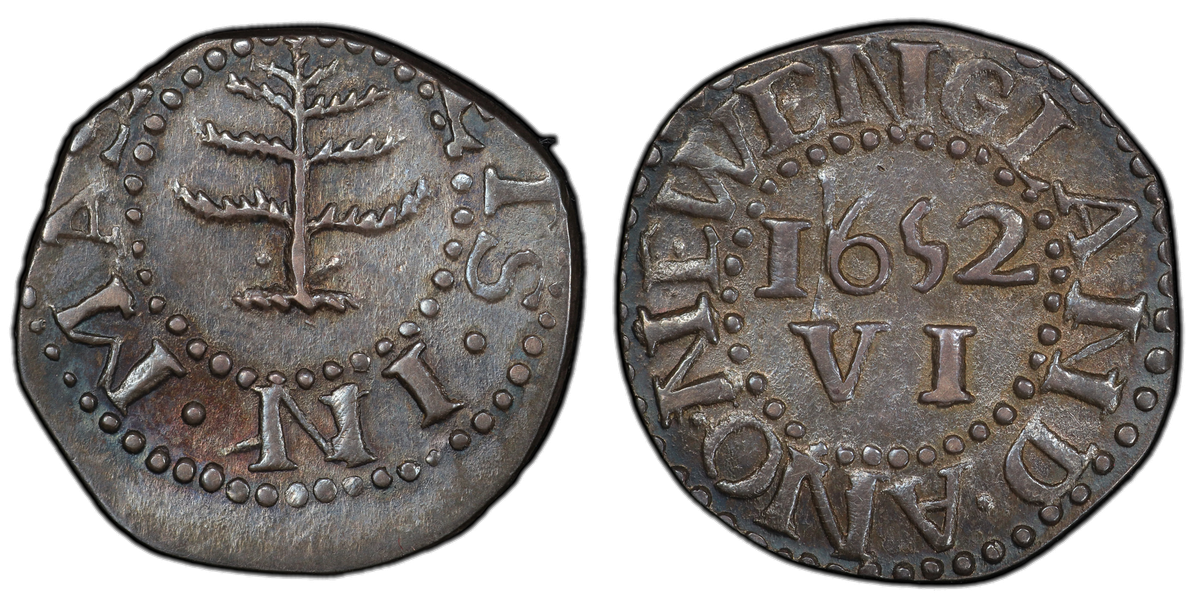
A Massachusetts Pine Tree Shilling — one of the earliest coins produced in British North America, struck between 1667 and 1682
Massachusetts struck the famous Pine Tree Shillings and related silver coinage (1652-1682) — technically illegal under British law, they backdated the coins to 1652 to stay within a loophole. Connecticut, New Jersey, and Vermont all issued their own copper coinage in the 1780s. The 1787 Fugio Cent — designed by Benjamin Franklin with its sundial and "Mind Your Business" motto — is considered the first official U.S. coin by some scholars.
The 1792 patterns (half dismes, Birch cents, silver center cents) represent the actual founding of American coinage. These coins were struck before the Mint was fully operational, and some may have used silver from George Washington's own household.
Questions for Colonial Collectors
- Do you collect colonial coins? What drew you to the pre-federal era?
- Pine Tree Shillings, Fugio Cents, or state coppers — which colonials fascinate you most?
- How do you grade and authenticate colonial coins, given the era's crude striking methods?
- What's the most historically significant colonial coin in your view?