
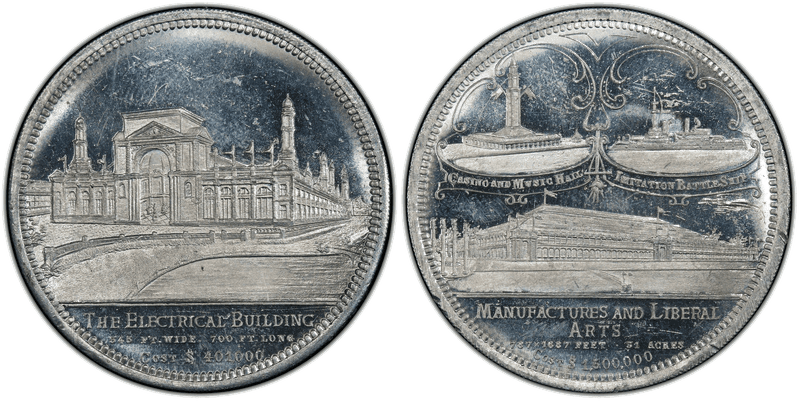
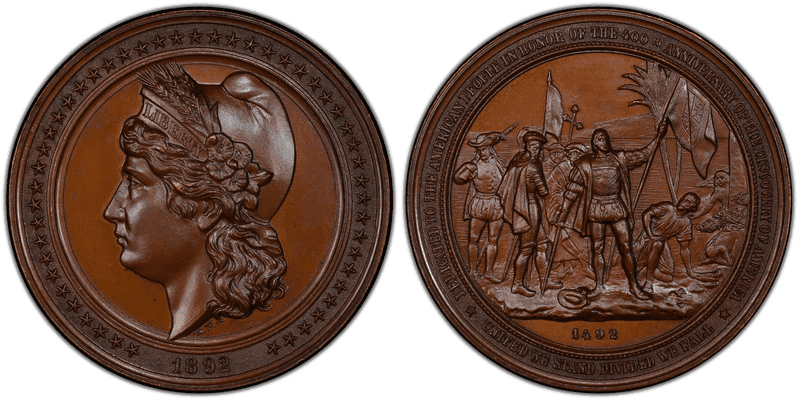
1892 Bronze So-Called Dollar HK-220a, Low Relief World's Columbian Exposition
Strike Type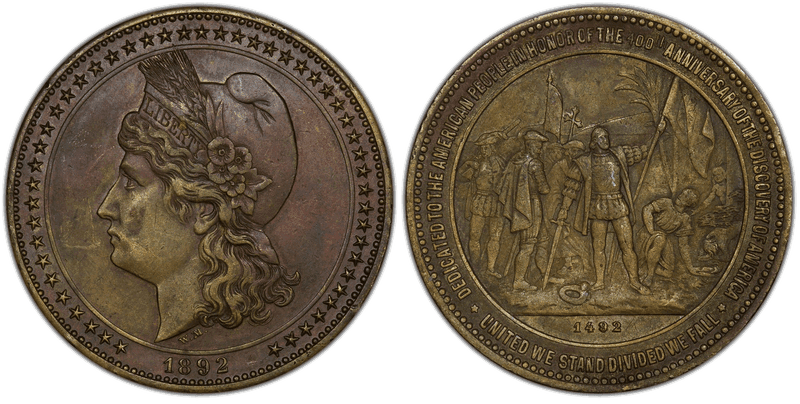
Coin Details
Auction Record
$720 AU50 09-20-2020 Heritage Auctions
Description
This 1892 so-called dollar (HK-220a) commemorates Low Relief World's Columbian Exposition. The Manufactures and Liberal Arts Building, at 1,687 by 787 feet, was the largest building in the world at the time, covering over 30 acres under a single roof and housing exhibits from 50 nations. The bronze composition of this piece reflects the medallic tradition dating to classical antiquity. Bronze so-called dollars typically survive in better condition than white metal examples due to the alloy's greater hardness and durability. Both the U.S. Mint and numerous private firms struck Columbian medals. Charles Barber designed official mint issues. The exposition also generated the first U.S. commemorative coins (Columbian half dollar). Barber's clean, classical engraving style defined the look of official American exposition medals for over three decades of world's fairs. The Hibler-Kappen catalog, first published in 1963 by Harold E. Hibler and Charles V. Kappen, systematically organized American so-called dollars for the first time, assigning HK numbers that remain the standard reference today. This piece is a variant of HK-220, distinguished by differences in composition, die state, or striking characteristics that merit a separate catalog entry in the Hibler-Kappen reference.
Rarity Notes
HK-220a is common to moderately scarce in the numismatic market. Production quantities for Gilded Age commemorative medals were typically modest, and survival rates vary significantly based on the original distribution method and the material's durability.
Cross References
HK-220a; PCGS #642534; NGC #850380
External References
Error Varieties
No listings found
This category doesn't have any child listings yet.
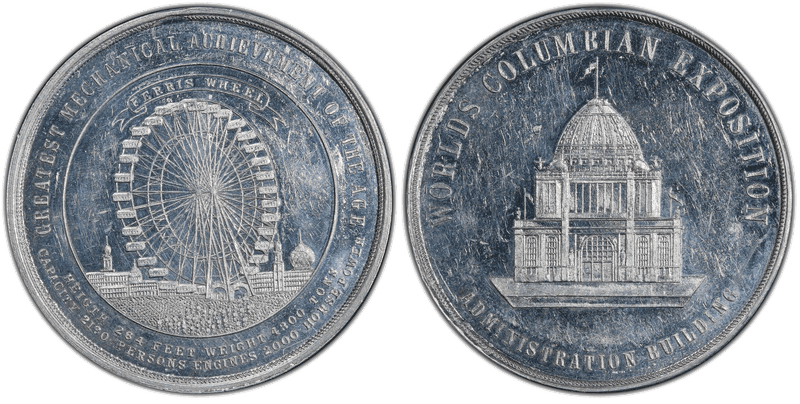
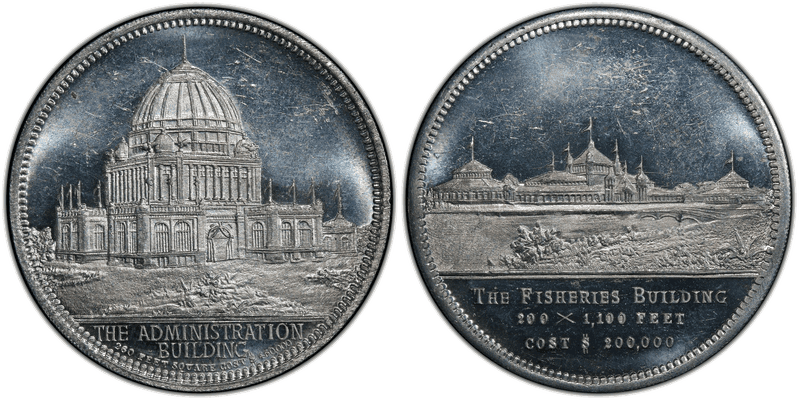
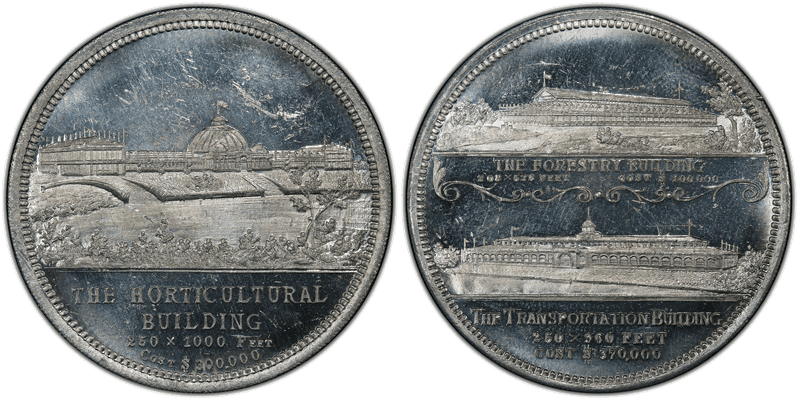
Other Strike Types in This Series
Collector Essentials
Tools and references for building and protecting your coin collection.
10x-20x Jeweler's Loupe
A must-have for examining coin details, mint marks, and surface quality
Red Book — Guide to U.S. Coins
The essential annual reference for U.S. coin values, history, and mintages
Coin Albums & Storage
Archival-quality albums and holders to protect and display your collection
USB Digital Microscope
Capture detailed images for documentation and community submissions
As an Amazon Associate, NumisDex earns from qualifying purchases.