
1886 So-Called Dollar HK-601a, Albany Bicentennial
Strike Type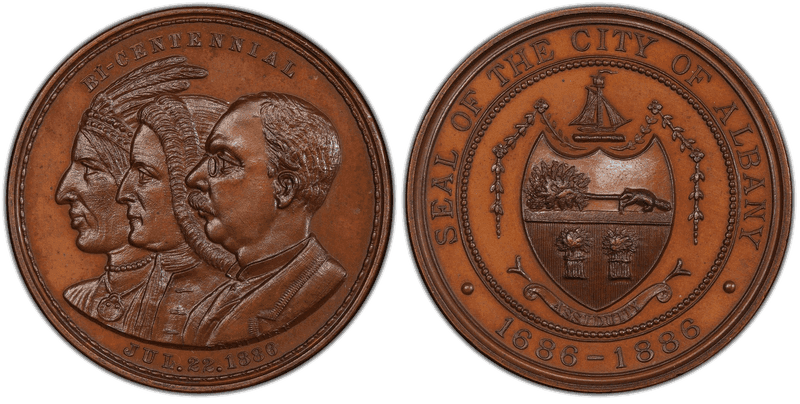
Coin Details
Description
The 1886 Albany Bicentennial so-called dollar (HK-601A) is a local commemorative piece in New York. Centennial celebrations were among the most significant civic events in American communities, marking 100 years since a city's founding, incorporation, or other milestone with parades, ceremonies, and the issuance of commemorative medals. Struck in bronze, this piece combines durability with an attractive warm tone that deepens with age into a rich chocolate-brown patina. Bronze was the preferred composition for many commemorative medals due to its excellent detail retention. American commemorative medal manufacturers ranged from the U.S. Mint to small regional die-sinkers, with each firm bringing distinctive artistic approaches and production capabilities to the medallic arts. New York's position as America's commercial capital and most populous state generated one of the richest traditions of commemorative medal production, with events ranging from the Erie Canal's completion to the Hudson-Fulton celebration producing significant medallic series. The Hibler-Kappen catalog, first published in 1963 by Harold E. Hibler and Charles V. Kappen, systematically organized American so-called dollars for the first time, assigning HK numbers that remain the standard reference today. Pre-1900 local commemorative medals are among the most historically significant in the so-called dollar series, documenting the celebrations of communities still within living memory of their founding or early settlement periods. This piece is a variant of HK-601, distinguished by differences in composition, die state, or striking characteristics.
Rarity Notes
Local commemorative so-called dollars from the Gilded Age survive in varying quantities. Examples of HK-601A are scarce in the numismatic market.
Cross References
HK-601A; PCGS #643045
External References
Error Varieties
No listings found
This category doesn't have any child listings yet.
Other Strike Types in This Series
1857 White Metal So-Called Dollar HK-757, Dr. Elisha Kent Kane
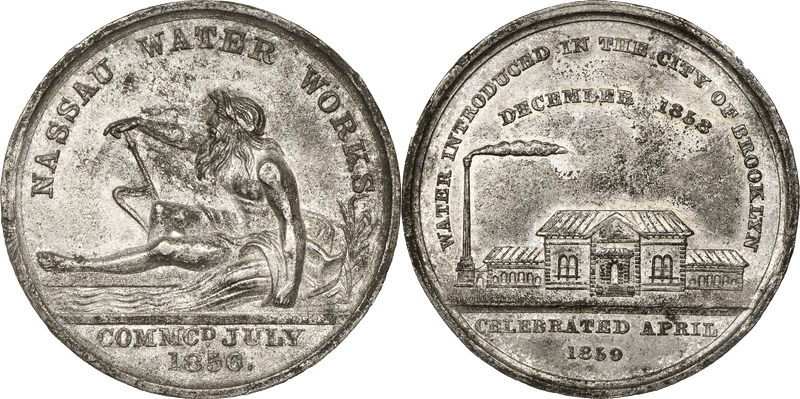
1859 So-Called Dollar HK-589b, Nassau Water Works
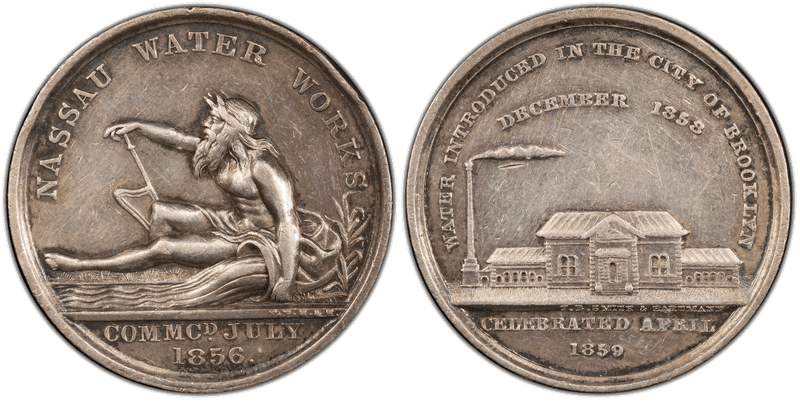
1859 So-Called Dollar HK-589c, Nassau Water Works
1872 Gilt Bronze So-Called Dollar HK-729, Truckee Ice Carnival
1876 So-Called Dollar HK-590, Bridgeport Board of Trade
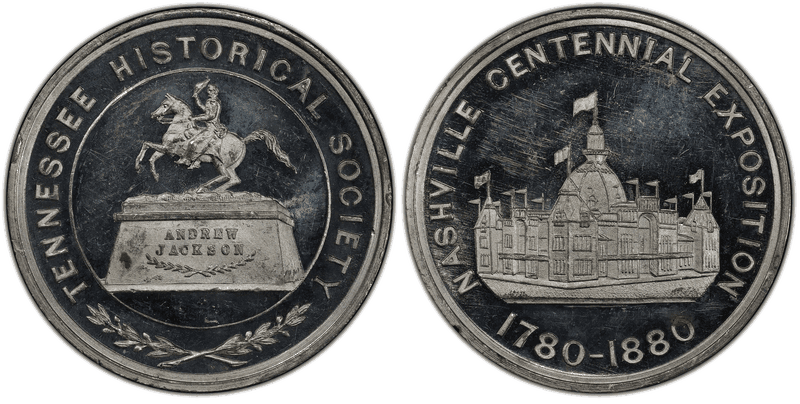
1880 White Metal So-Called Dollar HK-591, Nashville Centennial Exposition
Collector Essentials
Tools and references for building and protecting your coin collection.
10x-20x Jeweler's Loupe
A must-have for examining coin details, mint marks, and surface quality
Red Book — Guide to U.S. Coins
The essential annual reference for U.S. coin values, history, and mintages
Coin Albums & Storage
Archival-quality albums and holders to protect and display your collection
USB Digital Microscope
Capture detailed images for documentation and community submissions
As an Amazon Associate, NumisDex earns from qualifying purchases.