
(1790) Token Ryegate, VT, Burzinski-246 Communion
Strike Type
Coin Details
Description
This 1790 communion token from Ryegate, Vermont is cataloged as Burzinski-246 in the standard reference for American communion tokens. Communion tokens were small metallic pieces distributed by Presbyterian and Reformed churches to members who had been examined and approved to receive the Lord's Supper. The practice originated in Scotland during the Reformation as a safeguard against unworthy communicants and was carried to America by Scottish and Scots-Irish immigrants who settled throughout the colonies. Ryegate, Vermont was established in the 1770s by Scottish settlers recruited directly from Caithness and Sutherland in the Scottish Highlands by the Ryegate Company. These immigrants brought their Presbyterian traditions with them, including the communion token system that was central to Scottish sacramental practice. A 1790 token from this community represents one of the earliest documented American communion tokens and reflects the continuation of Old World religious customs in the New England frontier. The Burzinski catalog, compiled by Henry Burzinski, provides the comprehensive classification system for American communion tokens, assigning numbers by geographic location and chronological order.
Rarity Notes
Early American communion tokens from the eighteenth century are rare. The Ryegate, Vermont token is a significant piece for both religious and Vermont colonial history. Fewer than a dozen examples are typically known for most pre-1800 communion tokens.
Cross References
PCGS #913294; Burzinski-246; Ryegate, Vermont Presbyterian communion series
External References
Error Varieties
No listings found
This category doesn't have any child listings yet.
Other Strike Types in This Series
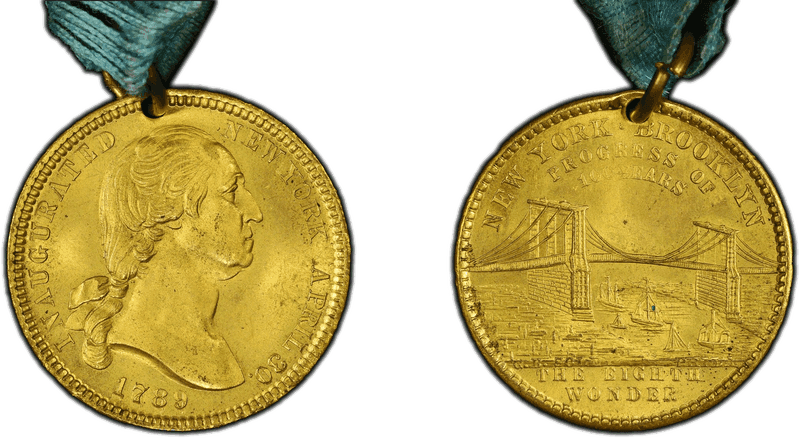
"1789" Token TC-454689 Brass Brooklyn, New York
"1850" Gold Token California Gold Bear
"1860" Token TC-44932 Bronze 29mm Fort Benton
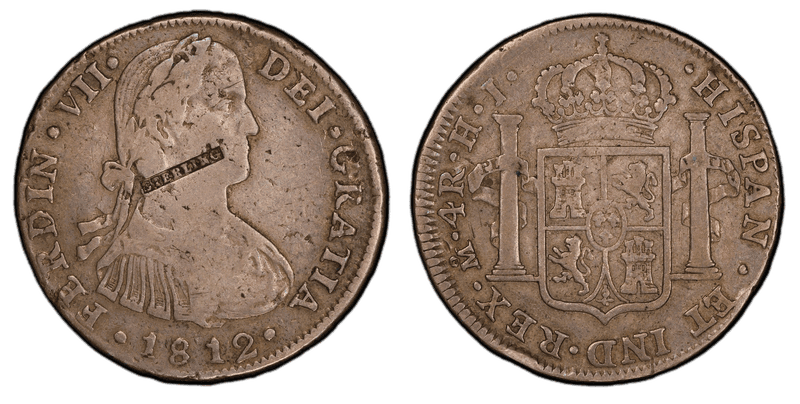
(1812) Silver Merchant Countermark Brunk S-918, "STERLING" on Mexico 4 Reales

(1833) Token American Colonization Society Copper
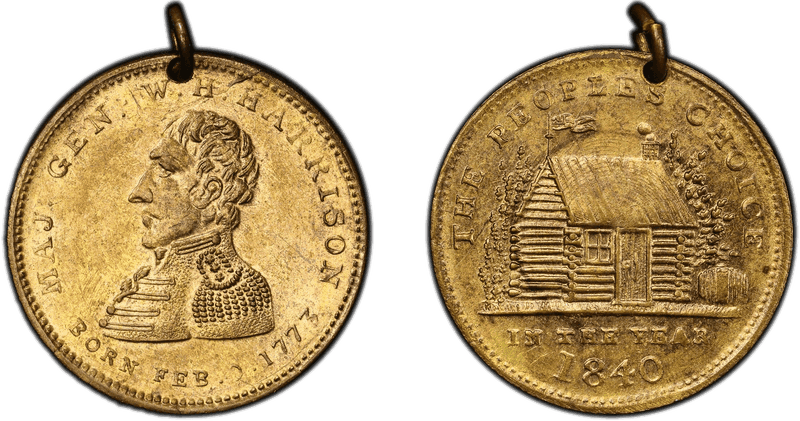
(1840) Token WHH 1840-50 Brass Holed Maj. Gen. W.H. Harrison Campaign
Collector Essentials
Tools and references for building and protecting your coin collection.
10x-20x Jeweler's Loupe
A must-have for examining coin details, mint marks, and surface quality
Red Book — Guide to U.S. Coins
The essential annual reference for U.S. coin values, history, and mintages
Coin Albums & Storage
Archival-quality albums and holders to protect and display your collection
USB Digital Microscope
Capture detailed images for documentation and community submissions
As an Amazon Associate, NumisDex earns from qualifying purchases.